Creating an inviting park atmosphere requires careful consideration of lighting systems. Park lighting has a dual function: to beautify the space and ensure safety for visitors. The challenge lies in how to balance aesthetics and safety in park lighting. Striking this balance can enhance the experience while protecting users after dark.
Various lighting designs can offer sophisticated looks. However, not all designs guarantee safety. Some aesthetic choices can cast shadows, creating hidden spots that feel unsafe. Users may avoid parks that lack proper visibility or feel intimidating. Therefore, harmonious lighting should illuminate paths without overwhelming the landscape.
Choosing the right fixtures enhances beauty without compromising security. Community input is crucial in this process. Engaging with local residents can reveal their concerns and preferences. There are always trade-offs to consider in any design. Ultimately, the goal is to create a welcoming, well-lit environment that emphasizes both aesthetics and safety. Understanding how to balance these elements is key to successful park lighting.
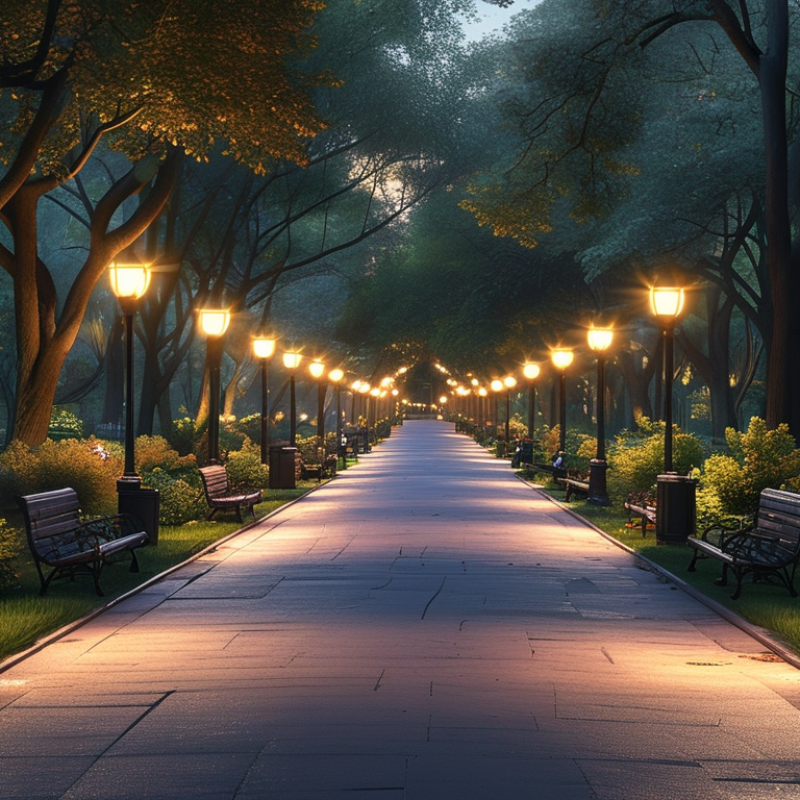
When developing park lighting, balancing aesthetics and safety is crucial. Proper illumination not only enhances the visual appeal of parks but also ensures a safe environment for visitors. According to the Illuminating Engineering Society, over 30% of public parks experience safety concerns related to inadequate lighting. This emphasizes the need for a strategic approach.
Designers often face challenges in maintaining the park's natural beauty while ensuring sufficient light coverage. Research indicates that well-lit parks can reduce crime rates by up to 40%. However, poorly positioned lights may create glare, detracting from the aesthetic value. Illuminating pathways and focal points can draw attention while maintaining safety. This balance is key to creating an inviting atmosphere without compromising security.
Moreover, using durable, weather-resistant materials for lighting fixtures is essential. These materials ensure longevity while preserving the park's charm. Established guidelines recommend a lighting level of 2 to 10 foot-candles for pedestrian areas. It's vital to evaluate how light distribution affects visibility. This ongoing assessment can address flaws in design, leading to improved solutions and enhanced user experiences.
Effective park lighting must strike a balance between aesthetics and safety. Proper design enhances the park's appeal while ensuring a secure environment for visitors. Safety is a primary concern; well-lit paths discourage crime and prevent accidents. However, creating an inviting atmosphere is equally important, as it encourages community engagement.
Incorporating different lighting levels can create visual interest. Bright light in high-traffic areas improves visibility, while softer lighting can enhance tranquil spaces. This juxtaposition may require careful planning and landscape integration. Using natural elements like trees to diffuse light creates a calming effect. However, too much light can lead to harsh shadows, which may create a sense of unease.
Consider using a mix of fixtures. Variable designs add character to the park while serving specific safety needs. It’s crucial to reflect on light placement; poorly positioned lights can create dark spots. While aesthetics can guide design choices, safety should never be compromised. Engaging local communities in the design process can bring valuable insights, ensuring the space feels secure and welcoming.
Color temperature plays a crucial role in park lighting design. Studies show that lighting with a Kelvin rating between 3000K and 4000K strikes a balance between aesthetics and safety. This range offers warmer hues that create an inviting atmosphere while maintaining visibility. A report from the National Institute of Health indicates that well-lit outdoor spaces can reduce crime rates by up to 20%. Therefore, choosing the right color temperature is essential.
Warmer lights often enhance comfort and connection. They make people feel safer, especially in parks during nighttime. In contrast, cooler lights (above 5000K) may appear harsh and unattractive. An analysis by the American Society of Landscape Architects suggests that parks using warmer lights experience higher visitor satisfaction. However, parks must also avoid areas of too much shadow. Shadows can foster feelings of fear and unease.
Moreover, the placement of lights matters. So often, lights are installed without considering their effects on the environment. Bright lights should illuminate paths and not create blinding glare. Feedback from park visitors often reveals that proper light placement can enhance their experience. Balancing aesthetics with safety requirements is a continuous challenge. All parks should reflect on their choices and adapt based on visitor needs and safety data.
| Tip Number | Lighting Aspect | Color Temperature (Kelvin) | Safety Enhancement | Aesthetic Benefit |
|---|---|---|---|---|
| 1 | Warm White | 2700K - 3000K | Creates a welcoming atmosphere | Enhances natural surroundings |
| 2 | Neutral White | 3500K - 4100K | Improves visibility | Balances warmth with clarity |
| 3 | Cool White | 5000K - 6500K | Increases alertness | Modern and clean aesthetic |
| 4 | Colored Lighting | Varies | Enhances mood and attraction | Provides unique visual experiences |
| 5 | Pathway Lighting | 3000K | Guides foot traffic safely | Creates a beautiful walking route |
| 6 | Adjustable Lighting | Varies | Improves adaptability to conditions | Enhances overall park experience |
| 7 | Motion Sensors | N/A | Activates lights when needed | Saves energy while ensuring safety |
| 8 | Solar Lighting | N/A | Environmentally friendly | Blends with nature |
| 9 | Enhanced Glare Control | Varies | Reduces discomfort | Improves visual comfort |
| 10 | Integrated Design | N/A | Enhances user experience | Aesthetic appeal |
Innovative lighting technologies play a crucial role in creating an inviting atmosphere in parks while ensuring safety. Smart LED systems, for example, can adjust brightness based on user activity. This adaptability not only saves energy but also enhances visibility when needed. Incorporating motion sensors can further increase security, ensuring lights stay bright in less trafficked areas.
To achieve a perfect balance, consider aesthetic design alongside functionality. Use lighting fixtures that complement the park's landscape. Hanging lights in trees can create warmth. Pathway lights should be low-profile to avoid obstructing views. Each element should blend seamlessly into the environment, yet stand out enough to guide users safely.
When implementing these strategies, it's important to listen to community feedback. Not every design appeals to everyone. A well-lit area may still feel uninviting due to harsh light or inappropriate spacing. Reviewing light placement and brightness levels is essential for user comfort. Always remain open to adjustments based on how the park evolves over time.
Insufficient lighting in parks can significantly affect safety and user experience. Poorly lit areas create hiding spots for potential threats, discouraging visitors. Studies indicate that well-lit parks attract more users, fostering a sense of community. In contrast, dimly lit spaces can evoke fear and reduce overall park utilization.
Users often report feeling uneasy in these darker areas. They may avoid certain paths, leading to a less enjoyable experience. Parks should be welcoming at all times, especially during evening hours. It's crucial for designers to understand how lighting impacts behavior. Bright, even illumination can enhance visibility, allowing people to feel secure and comfortable.
Balance in park lighting is essential. While aesthetics enhance the environment, safety must remain a priority. Thoughtful design choices can integrate both elements. Installing fixtures that blend with the landscape while providing adequate lighting is key. The challenge lies in creating a beautiful yet safe atmosphere for everyone.
: A color temperature between 3000K and 4000K is ideal. It balances safety and aesthetics effectively.
Well-lit outdoor spaces can reduce crime rates by up to 20%. Lighting plays a crucial role in safety.
Warmer lights enhance comfort and connection, making people feel safer at night. They create an inviting atmosphere.
Too much shadow can create feelings of fear. Proper lighting helps eliminate these dark spots, enhancing safety.
Proper light placement enhances visitor experience. Bright lights should illuminate paths without causing glare or discomfort.
Smart LED systems can adjust brightness based on activity, enhancing visibility while saving energy, which improves safety.
Not all designs appeal to everyone. Community input helps identify what works best for a welcoming atmosphere.
Poor lighting creates hiding spots and discourages visitors, leading to a reduced sense of community and safety.
Adequate, even illumination is essential. Well-lit areas make users feel secure and comfortable during evening hours.
Integrating fixtures that complement the landscape while providing sufficient light is key to achieving this balance.
In the quest to enhance park environments, achieving a balance between aesthetics and safety in park lighting is essential. Effective park lighting must meet specific requirements that prioritize user safety while also contributing positively to the park's visual appeal. Key design principles involve considering the contrast between light and shadow, ensuring areas are well illuminated without causing harsh glare or disrupting the natural ambiance.
Moreover, color temperature plays a pivotal role in this balance, as warmer hues can create a welcoming atmosphere while still providing adequate visibility. Innovative lighting technologies are emerging to support this dual purpose, integrating aesthetic design with safety features to foster a secure and inviting park experience. Ultimately, understanding "how to balance aesthetics and safety in park lighting?" is crucial, especially when evaluating the impact of insufficient lighting on both safety and user interactions within public spaces.

Rhynox Lighting