High mast lighting plays a critical role in enhancing visibility and safety in various environments. As the industry progresses, the debate on "What are the benefits of LED over HID for high mast lighting?" becomes increasingly important. According to energy expert John Smith, "LEDs provide more efficient lighting solutions that save costs and reduce maintenance."
LED technology offers significant advantages. First, LEDs consume less energy compared to HID lights. This results in lower electricity bills and a reduced carbon footprint. Additionally, LEDs have a longer lifespan, leading to fewer replacements and decreased maintenance efforts. These practical benefits are crucial for organizations aiming to optimize costs while maintaining safety standards.
However, there are considerations to reflect upon. The initial investment for LED fixtures might be higher than HID options. This factor can deter some organizations from making the switch. Moreover, the performance of LED lighting can vary based on environmental conditions. Therefore, it’s essential to evaluate both technologies thoroughly before making a decision. Understanding these factors helps clarify the choice between these two options in high mast lighting.
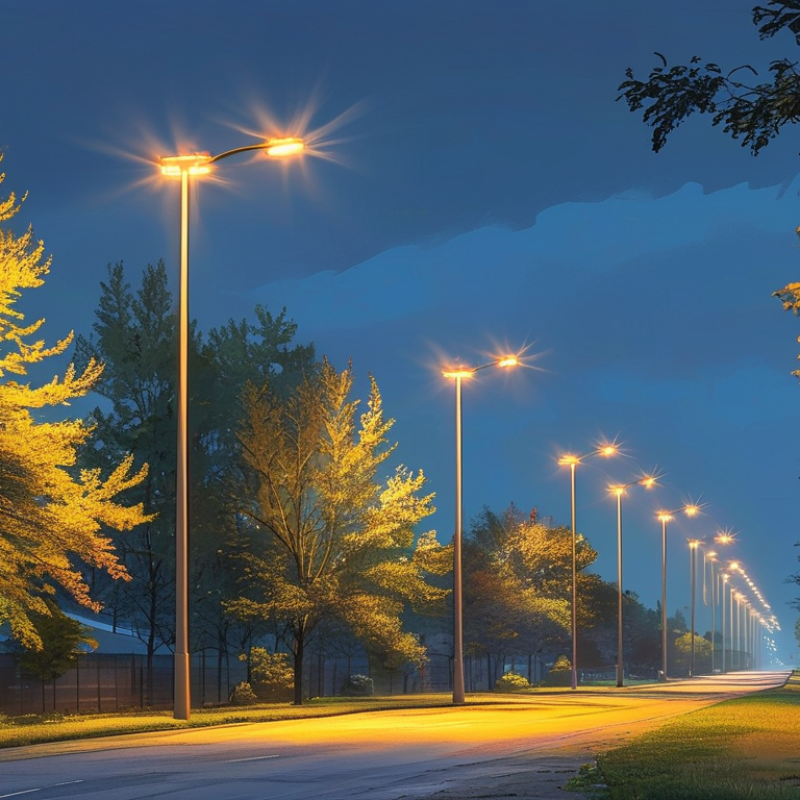
Benefits of LED High Mast Lighting Compared to HID Technology
LED high mast lighting offers significant advantages over traditional HID technology. One notable benefit is energy efficiency. LED systems consume less power, translating to reduced operational costs. This is particularly advantageous for large areas that require high-intensity illumination, such as parking lots and sports fields. Additionally, LED lights have longer lifespans. They can last up to 50,000 hours, compared to HID's 20,000 hours.
Another key advantage is light quality. LEDs emit a brighter, whiter light that enhances visibility. This is especially important in safety-critical environments. Better visibility can reduce accidents. Moreover, LED lighting is more environmentally friendly. It contains no hazardous materials like mercury, which is often found in HID bulbs.
Despite these benefits, some challenges exist. The initial cost of LED fixtures may deter some users. Not all cheaper options provide the same quality. Users should conduct thorough research before selecting products. Additionally, the technology is evolving. Keeping up with advancements can be overwhelming. However, the long-term savings and improved efficiency often outweigh these concerns.
2026 Best Benefits of LED vs HID for High Mast Lighting
Energy Efficiency: Comparing LED and HID Power Consumption
When it comes to high mast lighting, energy efficiency is crucial. LED and HID lights offer distinct power consumption profiles. LEDs are known for their lower energy usage. They convert a higher percentage of electricity into light, reducing overall power needs significantly. In contrast, HID lights consume more energy. They waste a portion of it as heat, leading to higher operational costs.
Consider a comparison of lumens per watt. Typical LED fixtures can achieve 100 to 130 lumens per watt. Meanwhile, HID fixtures provide around 70 to 90 lumens per watt. This stark difference highlights the efficiency advantage of LEDs. Over time, this difference translates into substantial savings on energy bills.
Yet, implementation is not without challenges. Some users may notice a higher upfront cost for LED installation. There can be concerns about light quality and distribution. Additionally, while LEDs have longer lifespans, failures can occur. Balancing these factors is essential. Understanding energy efficiency involves looking beyond initial expenses to long-term benefits.
2026 Best Benefits of LED vs HID for High Mast Lighting
| Feature |
LED |
HID |
| Power Consumption |
100W - 400W |
300W - 1000W |
| Lifespan |
50,000+ hours |
15,000 - 24,000 hours |
| Energy Efficiency |
Up to 150 lumens per watt |
80 - 100 lumens per watt |
| Heat Emission |
Low |
High |
| Maintenance Cost |
Low |
High |
| Light Quality |
Instant on, no warm-up time |
Requires warm-up time |
| Environmental Impact |
No harmful materials used |
Contains harmful materials |
Lifespan Analysis: LED vs. HID in High Mast Applications
When comparing LED and HID lighting for high mast applications, lifespan is a critical factor. LEDs typically offer a longer operational life, averaging around 50,000 hours. In contrast, HID lights, such as metal halide lamps, usually last only 15,000 to 24,000 hours. This substantial difference can significantly reduce maintenance costs and replacement frequency for LED systems.
A report from the Department of Energy indicates that LED technology not only lasts longer but also retains lumen output over time. For instance, after 50,000 hours, LEDs maintain about 70% of their initial brightness. On the other hand, HID systems tend to degrade much faster, often dropping to around 50% lumen output within a similar timeframe. This decay can lead to inadequate lighting levels in critical areas and increase safety risks.
One challenge with LED lights is the initial cost. They can be more expensive upfront. However, the long-term savings on replacements and energy costs should not be overlooked. It's essential to weigh these factors carefully. As the industry evolves, ongoing research will continue to refine these technologies. Regular updates are vital to understanding the best applications for each lighting type.
Maintenance Considerations for LED and HID High Mast Lighting
When it comes to high mast lighting, maintenance considerations play a crucial role in choosing between LED and HID systems. LEDs are generally more efficient and last longer, requiring fewer replacements. Their lifespan can reach up to 100,000 hours, significantly reducing maintenance frequency. However, LEDs can be sensitive to extreme temperatures. In very hot or cold environments, their performance may decline, necessitating careful consideration for installation locations.
On the other hand, HID lights often require more frequent maintenance due to their shorter lifespan, typically around 10,000 hours. They consume more energy and generate significant heat. This heat can lead to additional wear and tear on fixtures, increasing maintenance costs. Regular checks and replacements are necessary to ensure optimal performance, especially in high-traffic areas. These factors contribute to a comprehensive understanding of maintenance needs.
When evaluating maintenance, the cost of labor and materials is essential. LED systems might have higher initial costs, but their longevity can offset these expenses over time. In contrast, HID's lower upfront cost can be appealing, but ongoing maintenance can add up quickly. Decision-makers must weigh these factors carefully to ensure long-term efficiency and reliability.
Environmental Impact: LEDs vs. HIDs in High Mast Installations
When considering high mast lighting, the environmental impact of LED and HID technologies is crucial. LEDs consume less energy, which directly reduces greenhouse gas emissions. In contrast, HIDs typically use more power, leading to higher carbon footprints over time. Each watt saved by LEDs contributes to a more sustainable future.
Additionally, LED lights have a longer lifespan compared to HIDs. This longevity minimizes waste generation, as fewer replacements are needed. However, the production of LEDs involves complex materials that can be harmful if not properly recycled. It's essential to consider this aspect to avoid creating new environmental issues.
User behavior also plays a role. Installing smart controls for LEDs can further reduce waste. Awareness and education about proper disposal methods for both technologies are necessary. While LED lights offer notable benefits, the environmental impact of each option requires careful consideration. Balancing energy efficiency with sustainability practices will guide us toward better choices.
FAQS
: LED lights consume less power, resulting in lower operational costs.
LEDs can last up to 50,000 hours, while HID lights last around 20,000 hours.
Brighter, whiter light from LEDs enhances visibility and reduces accidents.
Yes, LEDs contain no hazardous materials like mercury, unlike some HID bulbs.
The initial cost of LED fixtures can be higher than traditional options.
LEDs maintain about 70% brightness after 50,000 hours, unlike HIDs, which drop to 50%.
Not all cheaper options offer the same quality; thorough research is necessary.
The rapidly evolving technology may make it hard to keep up with advancements.
Consider initial costs, lifespan, and long-term energy savings.
Inadequate lighting may increase risks in safety-critical areas.
Conclusion
In exploring the question, "What are the benefits of LED over HID for high mast lighting?" several key advantages emerge. Primarily, LED technology offers significant energy efficiency, consuming less power than HID systems while providing comparable or superior luminosity. This energy-saving characteristic not only reduces operational costs but also diminishes the environmental impact associated with high mast lighting applications.
Furthermore, LEDs boast a longer lifespan compared to HIDs, which translates to less frequent replacements and lower maintenance costs over time. Maintenance considerations are critical; LEDs require less attention and offer consistent performance throughout their life cycle. Additionally, the environmental implications are noteworthy, as LEDs are more eco-friendly due to their lower energy use and lack of hazardous materials. Overall, the transition from HID to LED in high mast lighting presents a compelling case for enhanced efficiency, sustainability, and cost-effectiveness.

 Rhynox Lighting