When considering the best outdoor lighting solutions, understanding IP ratings is essential. Renowned lighting expert, Dr. Emily Hartman, states, “Choosing the right IP rating is critical for durability and safety.” Many consumers frequently ask, "What are the IP ratings needed for outdoor lighting?" This inquiry is fundamental for ensuring outdoor fixtures withstand natural conditions.
IP ratings, or Ingress Protection ratings, indicate how well a light fixture resists dust and moisture. For outdoor environments, higher ratings typically provide better protection. For instance, an IP65 rating means the fixture is completely dust-tight and protected against water jets. This level of security is crucial for those living in areas with harsh weather.
The market offers various ratings tailored to specific needs. Some consumers may overlook this aspect, risking premature fixture failure. Choosing the incorrect IP rating can lead to expensive replacements. So, understanding "What are the IP ratings needed for outdoor lighting?" becomes a vital consideration for both homeowners and businesses. Investing time in research and expert insights can pay off in long-term satisfaction and safety.
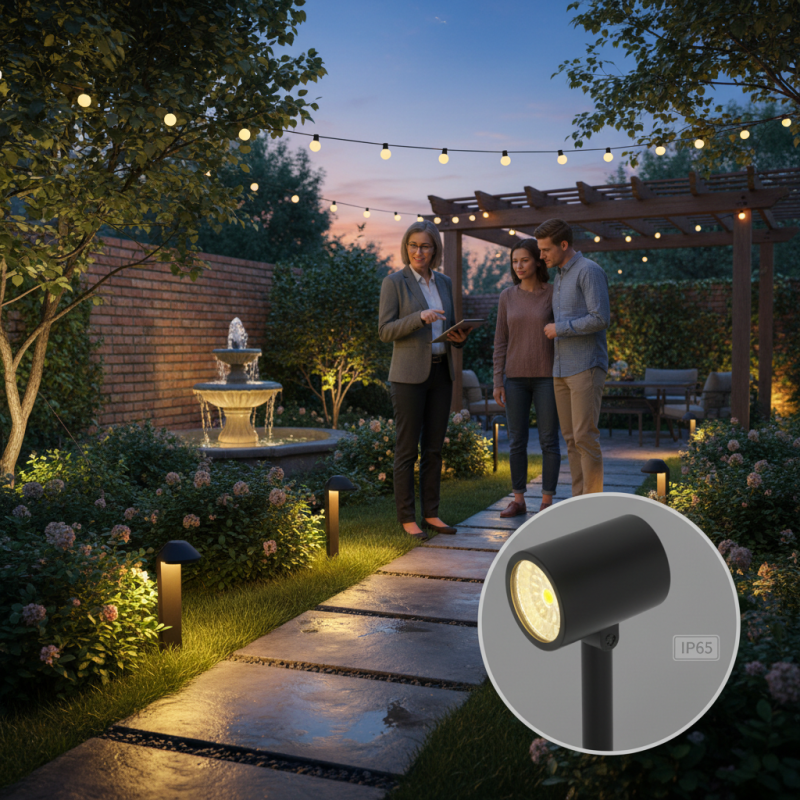
Understanding IP Ratings for Outdoor Lighting
Understanding IP Ratings for outdoor lighting is crucial for ensuring longevity and performance. IP, or Ingress Protection, is a standard that rates how well a fixture protects against solids and liquids. A common misconception is that higher numbers always indicate better protection. For outdoor applications, a rating of at least IP65 is often recommended. This means the light is dust-tight and can withstand water jets.
Research shows that approximately 70% of outdoor lighting failures are due to water ingress. Therefore, lighting with inadequate protection can lead to frequent replacements and increased maintenance costs. Moreover, many homeowners overlook that IP ratings vary. For example, an IP66 rating offers even greater protection against powerful water jets, essential for areas prone to heavy rainfall.
When selecting outdoor lighting, consider not just the IP rating but also installation conditions. Improper installation can compromise even top-rated fixtures. Factors like wind, moisture levels, and exposure to elements matter significantly. Regular inspections can help maintain performance, but what is often ignored is that even the best-rated lights need care. Understanding these nuances can make a significant difference in outdoor lighting reliability.
The Importance of IP Ratings in Outdoor Environments
When it comes to outdoor lighting, understanding IP ratings is essential. These ratings indicate how well a light fixture can withstand environmental challenges. The IP code consists of two digits. The first digit measures protection against solids, while the second digit focuses on moisture resistance.
Choosing the right IP rating ensures durability and performance. For instance, an IP65 rating means the light is dust-tight and protected against water jets. This is crucial for locations exposed to rain or dust. An inadequate rating can lead to short lifespans and frequent replacements. It’s important to analyze specific outdoor conditions before making a choice.
A common mistake is assuming all outdoor lights can handle the elements. High humidity or heavy rainfall may require higher ratings. Regular maintenance is also key. Inspecting fixtures can help identify wear, increasing safety and longevity. Evaluating your needs and the local climate will guide you toward optimal outdoor lighting solutions.
2026 Best IP Ratings for Outdoor Lighting
In 2026, the chart above illustrates the popularity of different IP ratings for outdoor lighting installations. IP65 and IP66 are the most sought after due to their effective protection against dust and water, making them ideal for outdoor environments.
How to Choose Outdoor Lights Based on IP Ratings
When selecting outdoor lights, understanding IP ratings is essential. The Ingress Protection (IP) rating tells you how well a product can resist dust and moisture. For outdoor lights, a rating of at least IP65 is generally recommended. This means the light is dust-tight and can withstand water jets from any direction. According to a 2021 industry report, outdoor lighting fixtures with higher IP ratings tend to last longer and require less maintenance.
In practice, not all outdoor spaces are the same. Gardens may only need a basic IP rating, while coastal areas require stronger protection against saltwater corrosion. The American Lighting Association notes that about 38% of homeowners faced challenges with outdoor lighting durability. Choosing lights that meet specific IP ratings can mitigate these risks.
Moreover, consider the environment in which the lights will be installed. For areas exposed to heavy rain or wind, IP67 or higher is advisable, ensuring the lights can handle temporary immersion in water. It's also crucial to assess local weather patterns, as climates can vary significantly. Collecting data from weather reports can aid in making informed decisions. Carefully evaluating these factors supports a reliable and effective outdoor lighting installation.
Common IP Ratings Explained: What Do They Mean?
When selecting outdoor lighting, understanding IP ratings is crucial. The Ingress Protection (IP) rating system classifies the degree of protection offered against dust and moisture. For outdoor spaces, a lighting fixture with a high IP rating ensures durability. This reliability is evidenced by a 2022 report from the Lighting Research Center, which indicates that fixtures rated IP65 or higher significantly reduce maintenance costs.
An IP rating consists of two digits. The first digit ranges from 0 to 6, indicating protection against solid objects. A rating of 5 means dust cannot enter, while 6 represents total dust-tightness. The second digit ranges from 0 to 8, measuring moisture protection. A rating of 5 indicates protection against water splashes, and 8 means complete submersion can be tolerated. According to a study conducted by the International Electrotechnical Commission, fixtures rated IP67 are ideal for wet environments.
Choosing the right IP rating is essential yet often overlooked. Many consumers are unaware that not all outdoor lights are designed for direct exposure to elements. In a survey by the Outdoor Lighting Association, 40% of respondents reported issues with their lighting fixtures due to inadequate protection. Understanding these ratings can lead to more informed decisions and ultimately better lighting solutions for outdoor spaces.
2026 Best IP Ratings for Outdoor Lighting Explained
| IP Rating |
Dust Protection |
Water Resistance |
Typical Applications |
| IP65 |
Dust-tight |
Water jets |
Outdoor floodlights, wall-mounted lights |
| IP66 |
Dust-tight |
Powerful water jets |
Marine lighting, outdoor signage |
| IP67 |
Dust-tight |
Immersion in water (up to 1m) |
Underwater lighting, garden lights |
| IP68 |
Dust-tight |
Continuous immersion in water |
Swimming pool lights, industrial tanks |
| IP20 |
Limited protection |
No protection |
Indoor fixtures |
Comparing Best IP Ratings for Various Outdoor Lighting Needs
When selecting outdoor lighting, understanding IP ratings is crucial. The Ingress Protection (IP) rating system classifies the degree of protection against solids and liquids. For outdoor lighting, a higher IP rating ensures durability in various weather conditions. Common ratings include IP65, IP67, and IP68.
IP65 lighting is dust-tight and withstands low-pressure water jets. This is often sufficient for garden lighting or walkway fixtures. In contrast, IP67 can endure immersion in water up to 1 meter. This rating suits areas like pools or fountains. IP68, however, can handle deeper submerged environments, making it ideal for permanent installations in wet areas.
Tips: Always consider the environmental conditions. In regions prone to heavy rain or snow, opting for a higher IP rating can prevent early fixture failure. Also, remember that aesthetic lending plays a significant role. The fixture design should harmonize with your outdoor decor while still delivering on functionality.
Choosing the right IP rating requires reflection on your specific lighting needs. It’s easy to overlook how local weather impacts your fixtures. Not all outdoor lighting is created equal. Sometimes, a combination of different ratings within the same space can deliver the best results.
Conclusion
Understanding the various IP ratings for outdoor lighting is crucial for ensuring durability and safety in diverse environmental conditions. The article delves into the significance of these ratings, explaining how they indicate the level of protection against dust and moisture, which is essential for outdoor fixtures exposed to the elements. When selecting outdoor lights, it's important to consider "What are the IP ratings needed for outdoor lighting?" Different outdoor settings may require specific ratings to resist water and dust effectively.
The discussion further elaborates on common IP ratings, clarifying what each number signifies. For instance, a rating of IP65 means the light is dust-tight and protected against water jets, making it suitable for outdoor use. By comparing the best IP ratings for various outdoor lighting needs, the article guides readers in making informed decisions to ensure their outdoor spaces are well-lit and safe, regardless of the weather conditions.

 Rhynox Lighting