Corrosion-resistant light poles play a crucial role in urban and rural environments. They must withstand weather elements, humidity, and pollutants. Thus, choosing the right materials is vital for their longevity and functionality. This brings us to the question: what are the best materials for corrosion-resistant light poles?
Different materials offer various advantages and drawbacks. Stainless steel is often favored for its durability and resistance to rust. However, it can be costly compared to options like aluminum. Aluminum poles are lighter and more affordable but may not last as long in extreme conditions. Moreover, composite materials are emerging as a modern solution. They provide excellent resistance but can lack the aesthetic appeal of traditional materials.
When selecting materials, it's important to consider maintenance costs. While some options might be cheap upfront, ongoing repairs can add to expenses. The geographical location and environmental factors must also influence decisions. The best choice may differ between coastal areas and inland cities. Ultimately, achieving a balance between cost, durability, and aesthetics requires careful evaluation.
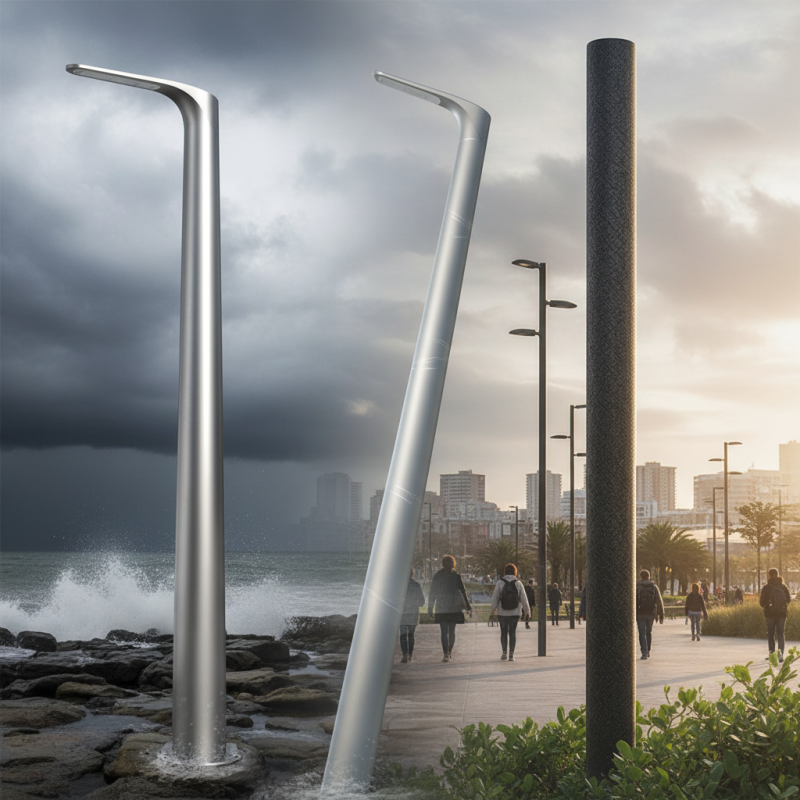
When selecting materials for corrosion-resistant light poles, several options stand out in the industry. Aluminum is a common choice due to its lightweight nature and resistance to oxidation. According to a 2023 industry report, aluminum alloys can provide an effective lifespan of 20-30 years when properly maintained. Galvanized steel is another popular option. The galvanization process coats the steel, preventing rust and extending its lifespan to nearly 25 years in coastal areas.
Stainless steel is also noteworthy due to its high resistance to corrosion. Grades like 316 are particularly suitable for marine environments, where corrosion rates can be accelerated. Industry data indicates that stainless steel poles can last upwards of 30 years without significant degradation. However, the initial cost can be higher, which might deter some municipalities from selecting this option.
**Tip:** Regular maintenance can significantly enhance the lifespan of any light pole material. Simple inspections can catch early signs of wear or corrosion.
Another interesting alternative is fibreglass, noted for its durability and lightweight properties. It is non-corrosive and can withstand harsh environmental conditions. Yet, while fibreglass may not rust, it can lose strength over time when exposed to UV rays. Investing in UV-resistant coatings can mitigate this issue.
**Tip:** Consider the local environment when choosing a material. Urban areas may expose poles to different corrosion challenges compared to rural or marine settings.
Corrosion-resistant light poles offer several significant benefits. They enhance safety in urban areas by maintaining consistent lighting. Consistent illumination reduces the risk of accidents at night. This feature is especially important in public spaces where visibility is crucial. Communities can benefit from investing in these durable solutions.
Using specialized materials like aluminum or stainless steel combats the harsh effects of weather. These materials resist rust and degradation, ensuring longevity. The initial investment may be higher, but the long-term savings are evident. Less frequent replacements mean fewer resources consumed over time.
In some cases, choosing the right materials can be challenging. Local environmental conditions vary, impacting material performance. City planners must consider these factors to avoid future complications. A well-informed choice leads to enhanced community satisfaction and trust in local infrastructure.
When selecting materials for corrosion-resistant light poles, several factors come into play. Environmental conditions are crucial. Coastal areas, for example, experience high humidity and salt exposure, which accelerate corrosion. Urban locations with pollution also pose challenges. Understanding these conditions helps in making an informed choice.
Another essential factor is the material's strength and durability. Metals like aluminum and stainless steel provide high resistance to corrosion. Yet, they also have different weight characteristics, impacting installation and maintenance. Choosing a lighter material might ease installation but could sacrifice strength.
Tips: Always consider the long-term costs. Cheaper materials may need frequent replacements. This can increase overall expenses. It's crucial to balance initial costs with durability. Furthermore, always seek expert advice for your specific environmental conditions. They might recommend alternatives that aren't typically considered. Evaluating all these aspects ensures you make the best choice for your light pole solutions.
| Material | Corrosion Resistance | Weight (kg/m) | Cost ($/m) | Maintenance Frequency (years) |
|---|---|---|---|---|
| Aluminum | High | 10 | 80 | 5 |
| Stainless Steel | Very High | 12 | 120 | 10 |
| Galvanized Steel | Moderate | 15 | 60 | 4 |
| Fiber Reinforced Polymer | High | 8 | 100 | 8 |
| Concrete | Low | 25 | 30 | 15 |
When it comes to maintaining corrosion-resistant light poles, regular inspections are essential. According to the National Association of State Energy Officials, about 30% of outdoor lighting systems fail due to corrosion-related issues. These failures can lead to unexpected maintenance costs and safety concerns. It's crucial to check for signs of rust, particularly around seams and joints, where moisture can accumulate.
Proper cleaning is equally important. Using non-corrosive cleaners can help maintain the finish of poles. In fact, the American Society for Testing and Materials suggests that routine cleaning can extend the lifespan of light poles significantly. Regularly inspect fasteners and connections too. They are often neglected yet prone to rust.
**Tips:** Schedule semi-annual inspections to catch issues early. Use a soft brush during cleaning to avoid scratching the surface. Document each maintenance activity to track the conditions over time, as this helps identify patterns and potential future problems. Balancing maintenance diligence with cost-effectiveness can be challenging, yet investing time now can prevent larger headaches later.
Corrosion resistance is crucial for light poles exposed to harsh environments. Materials like aluminum and stainless steel are often favored for their durability. Many studies have shown that aluminum has a natural oxide layer that provides excellent protection. According to a report from the American Galvanizers Association, galvanized steel can last over 70 years in coastal conditions. However, it is not as lightweight as aluminum.
Stainless steel also offers significant resistance to corrosion, particularly in urban settings. Research indicates that types 316 and 304 stainless steel have high resistance due to their nickel and chromium content. Unfortunately, stainless steel can be more expensive and may require additional maintenance. It's worth noting that while these materials are durable, they are not entirely immune to corrosion. Considerations must be made regarding galvanic corrosion when these materials are used together.
The effectiveness of coatings adds another layer to corrosion resistance. Protective coatings can significantly enhance the lifespan of light poles. A study published in the Journal of Coatings Technology shows that proper surface preparation and application techniques can increase coatings' effectiveness by up to 50%. However, inconsistent application may lead to weak spots that compromise durability. Each material choice presents its challenges, necessitating a thorough evaluation based on budget and environmental conditions.
: They enhance safety by maintaining consistent lighting, reducing accident risks in public spaces.
Regular inspections can prevent corrosion-related failures, which may lead to unexpected costs and safety concerns.
Aluminum and stainless steel are popular. They offer durability but come with different cost and maintenance considerations.
Routine cleaning with non-corrosive cleaners and regular inspections are key. They help maintain finishes and detect issues early.
Local environmental conditions can impact material performance, making informed choices crucial to avoid future complications.
Yes, inconsistent application can create weak spots, compromising durability and effectiveness. Proper preparation is essential.
It enhances coating effectiveness, potentially increasing the lifespan of light poles by up to 50%.
It's more expensive and still susceptible to corrosion in certain environments, especially if not maintained properly.
Use a soft brush to avoid scratching the surface during cleaning, ensuring a better finish.
About 30% fail because of corrosion-related issues, highlighting the importance of regular maintenance and inspections.
When considering "What are the best materials for corrosion-resistant light poles?", it's essential to explore various options available in the market. Common materials include aluminum, stainless steel, and fiberglass, each offering unique properties that enhance durability against environmental factors. Aluminum is lightweight and resistant to rust, while stainless steel provides superior strength. Fiberglass offers excellent corrosion resistance, making it suitable for coastal areas.
The benefits of using corrosion-resistant light poles extend beyond longevity; they reduce maintenance costs and improve aesthetic value in public spaces. Factors influencing material choice include local climate, environmental conditions, and the specific application of the poles. Regular maintenance practices, such as inspections and cleanings, further extend the lifespan of these structures. A comparative analysis of different materials reveals that while initial costs may vary, the long-term savings and benefits of corrosion resistance make them a wise investment for urban infrastructure.

Rhynox Lighting