2026 Best Tips for Safe Low Voltage Garden Lighting Installation?

Time:2026-05-28 Author:Liam
0%

When considering the installation of low voltage garden lighting, safety is paramount. With an increasing number of homeowners embracing outdoor aesthetics, the demand for safe practices has never been higher. According to a recent report by the National Electrical Contractors Association, nearly 30% of homeowners encounter issues due to improper installations. Industry expert John Reynolds emphasizes, “How to install low voltage garden lighting safely? It begins with understanding the fundamentals of electricity and proper grounding.”

A suitable low voltage system can enhance your garden while minimizing risks. However, many neglect essential steps like selecting appropriate cables or ensuring water resistance. According to the Electrical Safety Foundation International, proper installation techniques can reduce electrical injuries by over 50%. Yet, many DIY enthusiasts overlook these guidelines, risking both safety and functionality. It’s crucial to pay attention to every detail when planning your layout and adjusting components.

Moreover, the aesthetic appeal of your garden should not compromise safety. Many homeowners find themselves frustrated with flickering lights or system failures, often stemming from inadequate installation practices. There’s a delicate balance between beautifying your outdoor space and adhering to safety standards. Reflecting on past mistakes can lead to greater care in future projects, emphasizing the need for a thoughtful approach to lighting.
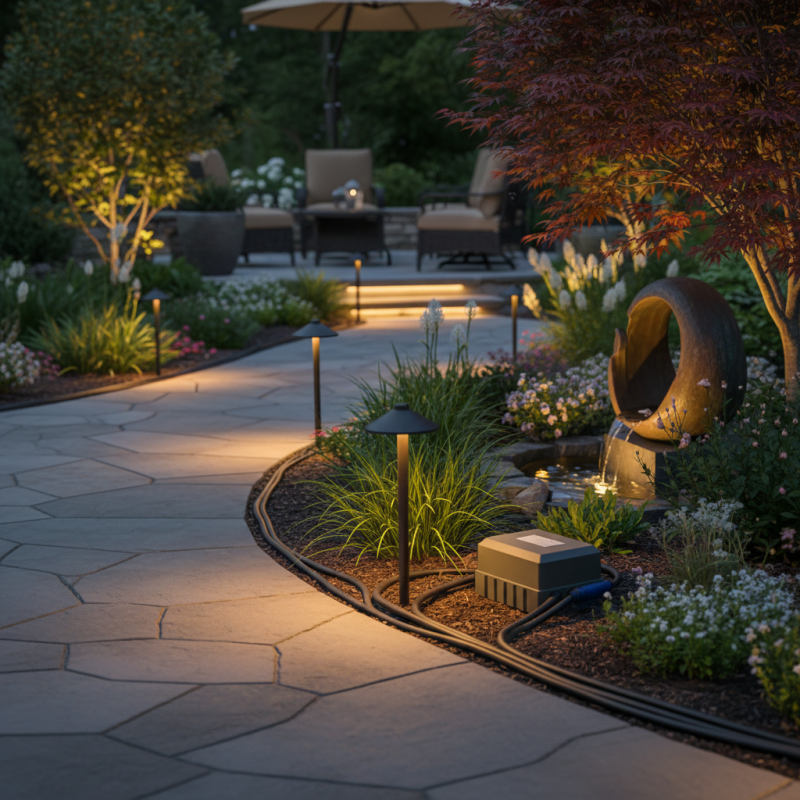
2026 Best Tips for Safe Low Voltage Garden Lighting Installation?

Understanding Low Voltage Garden Lighting Basics

Low voltage garden lighting is becoming popular for homeowners. It adds beauty and safety to outdoor spaces while being energy-efficient. Understanding the basics is essential before installation. Low voltage systems typically operate at 12 volts, making them safer than standard voltage systems. This reduced power level greatly decreases the risk of electrical shock.

When planning your garden lighting setup, consider the layout carefully. Identify key areas that benefit from illumination, such as walkways, flower beds, and patios. Use fixtures that blend seamlessly with your garden. Solar lights are often thought to be easy, but they can be unreliable due to varying sunlight conditions.

Choosing the right wire for your setup is crucial. Use high-quality, weather-resistant cable to avoid damage over time. Make sure to bury the wiring properly to prevent tripping hazards. Additionally, consider the location of power sources. Outdoor outlets need weatherproof covers to maintain safety. Reflecting on these basics will lead to a safer and more aesthetically pleasing garden.

Choosing the Right Equipment for Your Garden Lighting

When selecting equipment for your low voltage garden lighting, start by considering the right voltage system. Most garden lighting operates on 12 volts, which is safer and more efficient. This choice reduces the risk of electrical shock, especially if children or pets are present. According to recent industry reports, 70% of landscapers prefer low voltage systems due to their energy efficiency and lower installation costs.

Next, focus on the types of fixtures. LED lights are becoming popular due to their longevity and reduced energy consumption. They typically last up to 25,000 hours, which means less frequent replacements. However, some DIY enthusiasts struggle with choosing the right beam angle for their needs. For instance, a narrow beam is great for spotlighting a tree, while a wider beam can illuminate larger areas.

In addition to lighting types, pay attention to the wiring and connectors. Using high-quality, weatherproof materials is essential for durability. Poor connections may lead to flickering lights or worse, short circuits. Regular maintenance checks are advisable, even for seemingly reliable setups. Remember, even a well-planned installation can face challenges. Keep a flexible approach and be prepared to reassess your choices as needed.

2026 Best Tips for Safe Low Voltage Garden Lighting Installation

Planning Your Garden Layout for Optimal Lighting

When planning your garden layout for optimal lighting, consider the natural flow of your outdoor space. Think about how you use your garden at night. A cozy seating area may need soft lighting, while pathways require brighter illumination. Visualize where shadows fall and how plants react to light. This understanding enhances your garden's overall ambiance.

Place lights strategically. Highlight key features such as trees or sculptures. A well-illuminated pathway ensures safety and guides visitors. Consider the height of your fixtures; low-voltage lights should not overwhelm. Don’t forget to account for seasonal changes. Plants grow and shift, affecting light visibility.

Lastly, reflect on your design choices. Is the lighting too harsh or too dim? Does it enhance the garden's beauty? Adjustments may be necessary. A layered approach offers versatility. Experiment with different placements before finalizing. This trial and error can lead to delightful discoveries in your garden lighting design.

2026 Best Tips for Safe Low Voltage Garden Lighting Installation

Tip Number Tip Description Safety Considerations Optimal Placement
1 Ensure proper grounding of fixtures Check local regulations for grounding requirements. Install near metal structures for better grounding.
2 Use low voltage wiring Avoid high voltage to reduce risk of shock. Plan pathways for safe wire routing.
3 Choose weatherproof fixtures Ensure IP rating is suitable for outdoor use. Install in open areas to avoid water accumulation.
4 Plan your layout before installation Consider potential hazards such as pets or children. Mark areas for clear visibility and accessibility.
5 Test all connections before burying wires Ensure all connections are secure to prevent short circuits. Use above-ground testing before final installation.

Step-by-Step Installation Process for Low Voltage Lights

Installing low voltage garden lighting can transform your outdoor space. The process is straightforward, but attention to detail is crucial. Begin by mapping out your garden. Consider areas that need illumination. Pathways, patios, and plant beds are good spots. A solid plan helps avoid mistakes during installation.

Next, gather your materials. You'll need low voltage lights, a transformer, and cable. Choosing the right gauge is important. A thicker cable can handle longer runs. Lay out the lights before digging. This step allows you to visualize the spacing. Ensure that your fixtures are securely anchored. Remember, lighting placement will affect the ambiance.

Finally, connect the lights to the transformer carefully. Make good connections to prevent flickering. Test each light after installation. Some may not work immediately. It can be frustrating, but troubleshooting is part of the process. Check the connections and ensure the transformer is functioning. Enjoy your beautifully lit garden, but be aware that adjustments may be necessary.

Maintenance Tips for Long-lasting Low Voltage Garden Lighting

Maintaining low voltage garden lighting requires attention and care. Regularly check the fixtures for dirt and debris. Clean them gently to ensure optimal light output. Over time, dirt can accumulate, dimming the brightness of your lights. A soft cloth or sponge works wonders here.

Another point to consider is the condition of wiring and connections. Inspect cables for wear and tear. Corrosion can lead to safety hazards and poor performance. If you see frayed wires, it's best to replace them immediately. Sometimes, the smallest issue can cause significant failures.

Lastly, ensure your lights are properly positioned. Adjust them to avoid unwanted shadows. This is crucial for aesthetic appeal and safety. If lighting isn’t well-placed, it may not illuminate pathways effectively. Regularly reassess their positioning to maintain a beautiful and safe garden environment. Stay vigilant about these details. They will enhance both the longevity and functionality of your garden lighting.

FAQS

: What is low voltage garden lighting?

: Low voltage garden lighting runs on 12 volts, making it safer and energy-efficient for outdoor spaces.

How should I plan my garden lighting layout?

Identify key areas for illumination, like pathways and patios, while considering your garden's natural flow.

Why are solar lights sometimes unreliable?

Solar lights depend on sunlight, which can vary greatly, making them less dependable in different weather conditions.

What type of wire should I use for low voltage lighting?

Use high-quality, weather-resistant cable and bury it properly to avoid tripping hazards and damage over time.

How can I enhance the ambiance of my garden with lighting?

Highlight features like trees or sculptures and consider using soft lighting for cozy areas and brighter lights for pathways.

How do I maintain my low voltage garden lights?

Regularly clean fixtures and check wiring for wear. This prevents dimming and safety hazards over time.

What should I do if my lights create unwanted shadows?

Adjust the positioning of your lights to avoid shadows and ensure safe illumination of pathways.

Can seasonal changes affect garden lighting?

Yes, plants grow and shift, which can impact visibility; reassess lighting placements accordingly.

How often should I check my garden lighting?

Regular checks are essential. Address dirt accumulation and frayed wires immediately to maintain performance.

What if my lighting feels too harsh?

Reflect on your design choices and adjust placements to achieve a balance that enhances the garden’s beauty.

Conclusion

In the article titled "2026 Best Tips for Safe Low Voltage Garden Lighting Installation," readers are guided through the essentials of enhancing their outdoor spaces with low voltage lighting. The piece begins with a comprehensive overview of low voltage garden lighting, emphasizing its advantages and safety aspects. It then delves into selecting the appropriate equipment tailored to individual garden needs, ensuring both functionality and aesthetic appeal.

Critical to successful implementation, the article outlines effective planning strategies for garden layouts that maximize lighting potential. The step-by-step installation process is detailed to address the question, "How to install low voltage garden lighting safely?" Finally, readers are provided with maintenance tips aimed at prolonging the life and efficiency of their low voltage lighting systems, ensuring a lasting investment in their garden aesthetics.

Liam

Liam

Liam is a dedicated marketing professional with a profound expertise in the industry, where he excels at highlighting the unique advantages of our core products. With a keen understanding of market trends and consumer needs, Liam frequently updates our company’s professional blog, providing......