Integrating motion sensors with street lighting presents a unique opportunity for urban planners. How to integrate motion sensors with street lighting? Recent studies show that cities can reduce energy consumption by up to 30% through smart lighting solutions. This approach not only enhances safety but also cuts costs significantly.
Cities worldwide are adopting smart technologies. In fact, the global smart street lighting market is projected to grow from $5.3 billion in 2020 to $12.4 billion by 2026. Integrating motion sensors can optimize energy use and reduce light pollution. However, challenges exist. Ensuring sensor reliability under varying environmental conditions remains a concern. Additionally, there is a need to balance sensor sensitivity to avoid unnecessary light activation.
Streamlining the integration process is crucial. Collaborating with tech providers can yield innovative solutions, but results aren't guaranteed. Planning must include community feedback to address any public concerns about privacy and security. By critically evaluating these elements, cities can create effective, responsive lighting systems that adapt to real-time conditions.
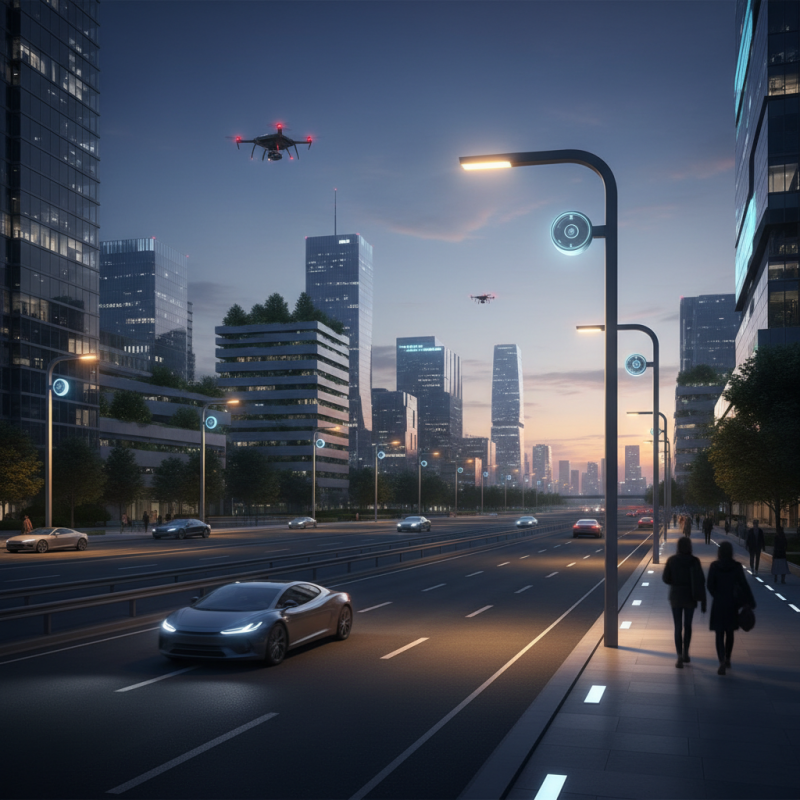
Integrating motion sensors with street lighting systems brings numerous advantages. It enhances energy efficiency and improves safety. When a sensor detects movement, the lights illuminate. This saves energy during quiet hours. Communities can reduce operational costs significantly over time. Moreover, improved visibility deters crime and makes pedestrians feel safer.
Tips for effective integration include placing sensors at strategic points. High-traffic areas benefit the most. Ensure that the sensors can adapt to weather conditions. Rain, fog, or snow may affect their performance. Regular maintenance is crucial to keep the system functional. Sometimes, issues may arise due to sensor misalignment or dirt accumulation.
Consider community feedback when installing these systems. Listening to residents can lead to improvements and adjustments. Sometimes, sensors might trigger unnecessarily. Addressing these concerns can build trust. Clear communication channels can help gather valuable insights. Engaging local citizens will foster a sense of ownership over the safety enhancements.
Motion sensors play a crucial role in modern street lighting systems. They help to conserve energy and enhance safety. Various types of motion sensors are suitable for this application, each offering unique benefits.
Passive infrared (PIR) sensors are quite popular. They detect heat emitted by bodies in motion. This type of sensor works effectively in urban settings where foot traffic is common. However, their performance can be affected by environmental factors like temperature changes.
Ultrasonic sensors are another option. They emit sound waves and detect obstacles through echoes. These sensors can function well even in environments where visibility is low. Still, they might struggle in areas with heavy rainfall or strong winds, which can obstruct their readings.
Tips: When selecting a motion sensor, consider the specific lighting needs of your area. Testing different types can provide valuable insights. Integrating sensors with smart technology allows for remote monitoring. That can add a layer of convenience and reliability.
Integrating motion sensors with street lighting requires careful installation and strategic placement. Studies show that well-placed sensors can cut energy costs by 30% to 50%. Proper positioning ensures that the sensors effectively detect movement in high-traffic areas. Ideally, the sensors should be mounted at a height of about 9 to 15 feet to maximize their range. This placement reduces blind spots while covering wider areas.
When installing sensors, consider environmental factors such as tree cover and weather conditions. Trees can obstruct the sensor’s view, leading to missed detections. Furthermore, areas prone to heavy rain or snow may affect sensor performance. Ideally, sensitive technology should be tested for durability and reliability in various conditions. Monitoring and adjusting settings after installation can significantly enhance performance, ensuring that sensors remain responsive.
Feedback from urban planners emphasizes the importance of community input on sensor placement. Each neighborhood has unique characteristics that impact sensor effectiveness. Continuous assessment and adaptation to local needs will lead to long-term improvements. Gathering data on traffic patterns can provide useful insights for future adjustments. Acknowledging these variables allows for better decision-making and resource allocation.
Integrating motion sensors with street lighting significantly enhances energy efficiency and reduces costs. Traditional streetlights waste energy during low-traffic hours. Motion sensors adjust lighting levels based on pedestrian or vehicular movement. When there is no activity, lights dim or turn off, conserving energy. This technology not only saves on electricity bills but also prolongs the lifespan of street lamps, cutting maintenance costs.
To maximize savings, consider the placement of motion sensors. They should cover areas with unpredictable foot traffic. Urban parks and busy intersections benefit most. However, improper placement could lead to frequent adjustments, which may frustrate users. Regular assessment is crucial to ensure optimal operation of the system.
Adopting energy-efficient technology comes with challenges. Initial installation costs can be high. Cities with tight budgets may hesitate. Yet, analyzing long-term benefits reveals substantial savings. Encouraging community engagement helps balance concerns. Residents can provide insights on where lighting is most needed. Taking these steps leads to effective integration of motion sensors in smart city initiatives.
The integration of motion sensors in street lighting is set to transform urban environments. According to a recent report by the International Lighting Association, smart street lighting can reduce energy consumption by up to 60%. This is achieved by having lights automatically adjust their brightness based on pedestrian presence. Cities worldwide are beginning to adopt this technology, making security and energy efficiency a top priority.
Future trends indicate that motion sensing technology will become increasingly reliable. A study by Tech Innovations estimates that by 2026, nearly 75% of cities will implement some form of smart lighting. However, challenges remain. The technology must ensure accuracy in detecting movement to avoid errors, like lights turning on without a presence. Older street lights might struggle to integrate smoothly with advanced sensors.
Real-world examples show both promise and potential pitfalls. In San Francisco, a pilot program reduced crime rates but highlighted concerns about sensor sensitivity. Street lighting systems must balance responsiveness with privacy concerns. As cities invest in modern solutions, thoughtful implementation will be crucial for long-term success.
: Motion sensors should be mounted between 9 to 15 feet high for optimal detection.
Trees may block sensors' views, resulting in missed detections during movement.
Motion sensors can cut energy costs by 30% to 50% by adjusting lighting based on movement.
Regular adjustments ensure sensors remain effective and responsive, better serving community needs.
Weather conditions like heavy rain or snow can impact how well sensors detect movement.
Urban parks and busy intersections experience the greatest advantages from these sensors.
High initial installation costs can deter cities with tight budgets from integrating sensors.
Residents can share insights on specific lighting needs, improving overall sensor effectiveness.
Poorly placed sensors might require frequent adjustments, leading to user frustration.
By reducing unnecessary energy use, motion sensors help prolong lamp maintenance and longevity.
Integrating motion sensors with street lighting presents a transformative opportunity to enhance urban energy efficiency and safety. The advantages include improved lighting responsiveness, reduced energy consumption, and increased safety for pedestrians and vehicles. Various types of motion sensors, such as passive infrared and ultrasonic sensors, are particularly suitable for these applications due to their ability to detect movement effectively.
Best practices for installation involve strategic placement at appropriate heights and locations to ensure optimal coverage while minimizing light pollution. This integration not only facilitates significant cost savings through energy efficiency but also aligns with future trends in smart street lighting technology. As cities evolve, understanding how to integrate motion sensors with street lighting will be crucial for fostering smarter, more sustainable urban environments.

Rhynox Lighting