When considering street lighting, understanding how to choose the right lumens is crucial. The International Energy Agency notes that effective street lighting can reduce energy consumption by up to 50%. This highlights the importance of optimal lumen selection for urban planners and municipal authorities. By selecting appropriate lumens, cities not only enhance visibility but also improve safety and reduce light pollution.
Lumens measure the amount of light emitted. Insufficient lumens can lead to dark spots, causing safety concerns. Conversely, excessive lumens can lead to waste and higher energy costs. According to a report by the U.S. Department of Energy, LED streetlights can achieve 80% energy savings compared to traditional lighting. Ensuring the correct lumen output is essential for maximizing these benefits.
Deciding on lumens involves various factors, such as road type, traffic flow, and surrounding architecture. Not all areas require the same illumination levels. Some may reflect on whether a one-size-fits-all solution is viable. Addressing local needs and circumstances is key in achieving effective street lighting. Cities must reflect on their unique challenges and strive for solutions that truly meet community requirements.
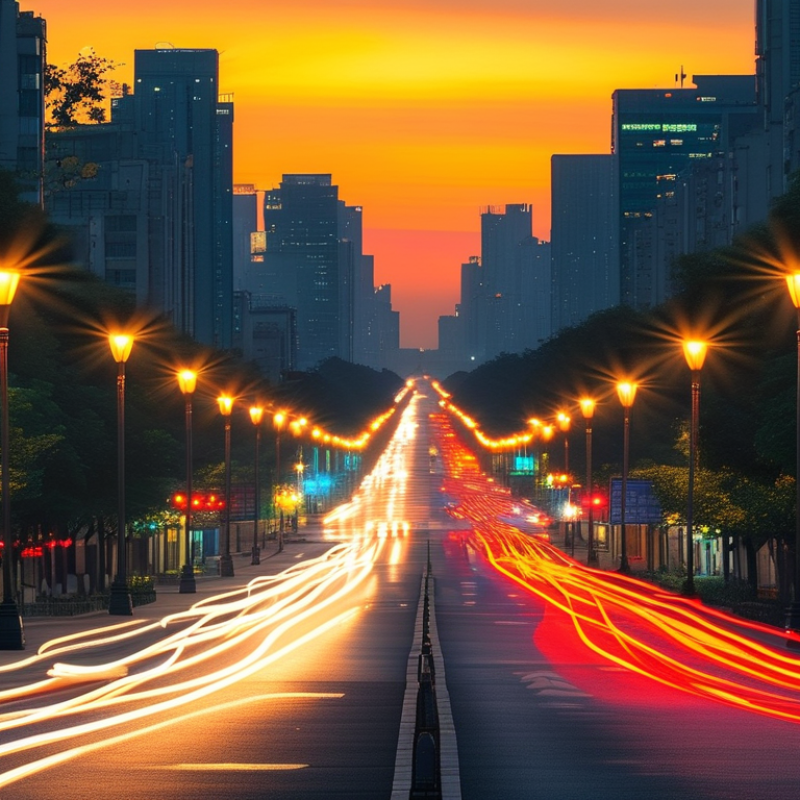
Factors Influencing Lumens Required for Street Lighting in China
Choosing the right lumens for street lighting in China involves various factors. One critical element is the area’s usage. Residential zones need softer, inviting light. In contrast, commercial hubs require brighter illumination for safety and visibility. Understanding the local needs is essential for effective lighting.
Another factor is the height of the streetlights. Taller poles typically need more lumens to disperse light effectively. This height affects how shadows are cast, influencing visual comfort and safety. Moreover, the type of road plays a role. Main roads benefit from high-lumen lights, while side streets may not need as much.
Weather conditions can also impact lumen requirements. Areas with heavy fog or rain may require brighter lights for better visibility. Yet, this might lead to energy overuse, a common concern. Reflecting on such dilemmas can help communities strike a balance between adequate lighting and energy conservation. Adopting a thoughtful approach ensures both safety and sustainability in urban areas.
Understanding the Role of Lumens in Street Lighting Efficiency
When considering lumens in street lighting, understanding their efficiency is crucial. Lumens measure the total light output from a source. A well-lit street improves visibility, safety, and deterrence of crime. According to a 2022 report by the International Energy Agency (IEA), increased luminosity can reduce accidents by 30%.
However, not all street lights require the same lumen level. Common benchmarks suggest 100 to 200 lumens per square meter for residential areas. Higher intensity may be needed for busier intersections. A mismatch could lead to over-illumination, wasting energy and causing light pollution. Experts agree that a thoughtful approach is necessary, balancing brightness and energy consumption.
Moreover, the type of light source influences lumen effectiveness. LED technology has gained attention for its superior lumen-per-watt ratio. It provides more light using less energy. Various studies indicate that LED systems can provide up to 150 lumens per watt. This efficiency translates directly to lower operational costs and reduced carbon emissions. Yet, many urban planners still hesitate to adopt it fully, often citing upfront costs despite long-term savings.
Evaluating Environmental Conditions for Optimal Lumens Selection
When selecting lumens for street lighting, evaluating environmental conditions is crucial. Urban areas can differ dramatically in light requirements. For instance, a busy street with heavy pedestrian traffic may need lighting that reaches 100-150 lumens per square foot. In contrast, residential areas may only require 50-70 lumens, according to recent studies.
The presence of obstructions like trees or buildings can affect light distribution. Shadows created by these elements often require additional lumens to ensure visibility. A report from the Illuminating Engineering Society highlights that poorly lit areas can increase accidents by 30%. Therefore, careful consideration of these factors can greatly enhance safety and usability.
Additionally, weather conditions play a role in lumens selection. Areas frequently shrouded in fog or rain may need more intense lighting. Research indicates that increased lumens can improve visibility in such conditions, making them worthwhile investments. However, the balance between brightness and energy efficiency remains a challenge. Over-lighting can lead to wastage and complaints about light pollution. Each project should weigh these aspects to ensure effective street lighting design.
China Top 10 Tips for Choosing Lumens in Street Lighting
This chart displays the recommended lumens for various street lighting types across different environments in China. Selecting the right lumens is essential for optimizing visibility and ensuring safety in different areas.
Comparing Different Light Sources Based on Lumens Output
When choosing street lighting, lumens output is critical. Different light sources provide varying luminosity levels. For example, LED lights often produce higher lumens per watt compared to traditional sodium lights. This means more light for less energy consumed. However, not all LED options are created equal. Some may underperform and not provide the brightness promised.
Consider the ambiance and safety of the area being illuminated. Different fixtures can impact light distribution. For instance, diffuse lighting versus focused beams can create different effects. Poor placement may lead to dark spots or glare, affecting visibility and safety. Street lighting should enhance the environment without creating discomfort or risk for pedestrians.
Heat dissipation is another factor affecting performance. The lifespan of light sources varies. LEDs can last longer, but they may degrade if temperatures are too high. This creates a trade-off between brightness and durability. Understanding these dynamics can guide better decisions and improve the effectiveness of street lighting projects.
China Top 10 Tips for Choosing Lumens in Street Lighting
| Light Source Type |
Lumens Output (per Watt) |
Average Lifespan (Hours) |
Energy Efficiency |
Color Temperature (Kelvin) |
Typical Use Case |
| LED |
80-150 |
25,000 - 50,000 |
High |
3000-6500 |
Urban Roads |
| HID |
70-130 |
15,000 - 24,000 |
Moderate |
4000-6000 |
Parking Lots |
| Fluorescent |
35-100 |
7,000 - 15,000 |
Moderate |
2500-6500 |
Street Lighting |
| Incandescent |
10-17 |
1,000 - 2,000 |
Low |
2700-3000 |
Residential |
| Sodium Vapor |
60-120 |
24,000 - 30,000 |
Moderate |
1800-2200 |
Highways |
Regulatory Standards and Recommendations for Street Lighting Lumens
When selecting lumens for street lighting, understanding regulatory standards is essential. Different regions have specific guidelines to follow. These guidelines often focus on brightness levels, energy efficiency, and environmental impact. Cities often set minimum lumens per square foot to ensure visibility and safety. Failure to meet these standards can lead to ineffective lighting.
Local ordinances may vary significantly. Some areas require higher lumens due to increased foot traffic or crime rates. However, too much brightness can cause glare and light pollution, hindering visibility for drivers and pedestrians alike. Finding the right balance is often a challenge.
It’s important to consult local authorities or regulatory bodies when determining lumens for street lighting. Engineer studies may provide insights into real-world outcomes. Gathering feedback from the community is also beneficial. This may reveal areas where lighting is needed or excessive. Ultimately, working with multiple stakeholders can lead to a well-lit, safe environment.
Conclusion
When considering how to choose the right lumens for street lighting, several key factors come into play. First, understanding the specific environmental conditions is crucial, as different areas may require varying levels of brightness for effective illumination. Additionally, evaluating the role of lumens in enhancing street lighting efficiency can significantly impact both safety and energy consumption. Comparing light sources based on their lumens output allows for informed decisions that meet both regulatory standards and the unique needs of each location.
Regulatory standards and recommendations further guide the selection of lumens, ensuring compliance with safety measures and community expectations. By taking into account the influence of these factors, decision-makers can optimize street lighting designs, ensuring they provide adequate illumination while minimizing energy waste. Ultimately, a careful examination of these elements will lead to an effective and sustainable street lighting solution.

 Rhynox Lighting