Why Choose Asymmetric Beam Angles for Parking Lot Lights?

Time:2026-07-04 Author:Henry
0%

Choosing the right lighting for parking lots is crucial for safety and efficiency. One important topic is "Why use asymmetric beam angles for parking lot lights?" This design allows for better illumination without unnecessary glare. Asymmetric beams focus light where it is needed most, reducing dark spots and enhancing visibility.

Parking lots can be complex environments. Inadequate lighting can lead to accidents or crime. Using asymmetric beam angles ensures that light is evenly distributed across the surface. This distribution creates a safer atmosphere for both pedestrians and vehicles. It also minimizes energy waste by directing light precisely where it is required.

Investing in asymmetric lighting solutions can also lead to cost savings. Efficient lighting can result in lower energy bills over time. However, not all asymmetric systems are created equal. It's essential to choose products from reputable manufacturers that prioritize quality and performance. The right choice can make a significant difference in how a parking lot functions and feels.
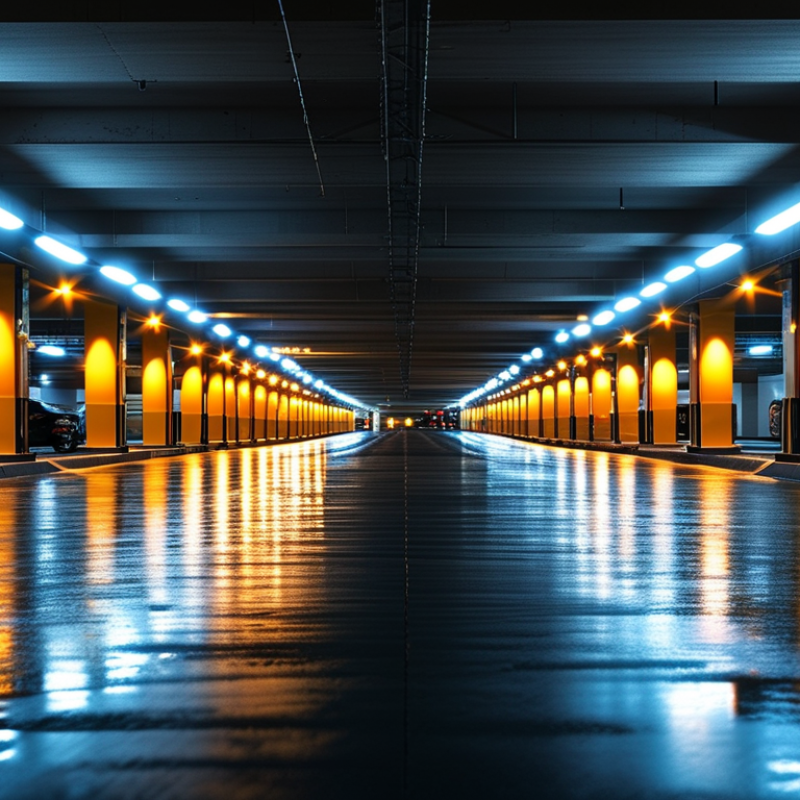
Why Choose Asymmetric Beam Angles for Parking Lot Lights?

Benefits of Asymmetric Beam Angles in Parking Lot Lighting

Asymmetric beam angles are increasingly popular for parking lot lighting. They effectively direct light where it is needed most. This maximizes visibility while reducing light pollution and glare. Unlike traditional symmetric lighting, asymmetric angles can cover wide areas without wasting energy. This focused illumination can lead to safer environments.

Properly designed asymmetric lighting minimizes the shadows created in critical areas. Shadows can create hiding spots for potential intruders, so reducing them enhances security. Furthermore, the strategic placement of lights can highlight pathways and access points, improving pedestrian safety.

When installing asymmetric parking lot lights, consider the layout of your space. Ensure that the angle of the fixtures aligns with traffic flow. Evaluate the height of your poles for optimal coverage. It’s essential to think about these elements to avoid inefficient lighting patterns. Regular reassessment is crucial for maintaining a safe and well-lit environment.

Comparison of Asymmetric vs. Symmetric Beam Angles in Outdoor Spaces

Asymmetric beam angles are gaining traction in outdoor lighting design. These beams focus light in specific directions, offering better illumination without wasting energy. In contrast, symmetric beam angles spread light evenly. While this seems beneficial, it can lead to unwanted light pollution in parking lots.

Choosing between asymmetric and symmetric angles involves understanding their effects. Asymmetric lighting provides targeted coverage. For instance, it illuminates walkways and parking spaces effectively. Users feel safer with well-lit areas. Symmetric lighting may leave dark spots, which can become safety hazards.

In practical applications, asymmetric designs help minimize glare. They reduce light spill into surrounding environments, enhancing comfort for nearby residential areas. Light designers often must rethink patterns. Traditional methods don’t account for modern outdoor needs. Balancing efficiency and safety is not always straightforward. Thus, careful planning and testing are essential for optimal results.

Industry Standards for Illumination Levels in Parking Lots

Proper illumination in parking lots is crucial for safety and security. The Illuminating Engineering Society (IES) recommends certain illumination levels. For example, they suggest 2 to 5 foot-candles for general parking lots. These standards ensure visibility and deter crime. Without adequate light, risks increase.

Asymmetric beam angles can enhance lighting effectiveness. This design directs light towards specific areas without wasting energy. Parking lots with asymmetric lighting are often more uniformly lit. Higher illumination levels can reduce the likelihood of accidents.

Tips: Consider using LED lights for their efficiency and longevity. Also, ensure regular maintenance checks on lighting fixtures. Regular inspections help maintain the desired illumination levels. Remember, an overlooked bulb can leave dark spots, which can be a safety hazard.

Impact of Asymmetric Lighting on Driver and Pedestrian Safety

Asymmetric beam angles play a critical role in enhancing safety in parking lots. This lighting technique directs light toward areas where it's most needed, ensuring better visibility for both drivers and pedestrians. Proper illumination reduces accidents and improves overall security. When drivers can see obstacles clearly, they can react more effectively.

Pedestrian safety is also greatly impacted by asymmetric lighting. When walkways and crossing areas are well-lit, individuals feel more confident. This brightness encourages pedestrians to navigate parking areas without fear. Parking lots become safer environments when light is concentrated in key areas while reducing glare for drivers.

Tip: Install lights at various heights to maximize coverage. Different light placements can eliminate shadows that may hide potential hazards.

Tip: Regularly assess lighting placement to adapt to changing circumstances. Trees or buildings may obscure lights over time, diminishing their effectiveness.

Incorporating asymmetric beam angles is not just a technical choice; it's a safety measure that benefits everyone using the space. Consider evaluating your current lighting solutions to ensure they meet safety standards.

Cost-Effectiveness and Energy Efficiency of Asymmetric Lighting Solutions

Asymmetric beam angles in parking lot lighting offer significant benefits, especially in terms of cost-effectiveness and energy efficiency. A study from the Department of Energy indicates that using asymmetric lighting can reduce energy consumption by up to 30% compared to traditional fixtures. This efficiency is crucial for organizations facing rising electricity costs. By optimizing light distribution, fewer fixtures are required, leading to lower installation and maintenance expenses.

Moreover, asymmetric lighting solutions enhance visibility without excessive glare. According to the Illuminating Engineering Society, optimal lighting reduces dark spots and improves safety. In poorly lit areas, accidents are 2.5 times more likely. Choosing asymmetric angles helps mitigate this risk, addressing both safety and economic concerns simultaneously.

However, the transition to asymmetric lighting is not without challenges. One must consider the specific layout of the parking facility. Failure to properly evaluate illumination needs can lead to inadequate lighting, which might compromise safety. Striking the right balance in design requires expert insight. A careful analysis ensures that asymmetric beam angles deliver their intended benefits.

Benefits of Asymmetric Beam Angles for Parking Lot Lighting

FAQS

: What are asymmetric beam angles in outdoor lighting?

: Asymmetric beam angles focus light in specific directions, enhancing targeted illumination.

How do symmetric beam angles differ from asymmetric ones?

Symmetric beam angles spread light evenly, which can sometimes cause light pollution.

Why is proper lighting important in parking lots?

Adequate lighting ensures safety and security, deterring crime and reducing accident risks.

What do industry standards recommend for illumination levels in parking lots?

The recommended levels are 2 to 5 foot-candles for general parking lots.

How can asymmetric lighting reduce energy consumption?

It can lower energy use by up to 30%, leading to cost savings without sacrificing effectiveness.

What are some maintenance tips for outdoor lighting?

Regular inspections and maintenance of fixtures help maintain optimal illumination levels over time.

What safety issues can arise from poor lighting design?

Dark spots can become safety hazards, increasing the likelihood of accidents significantly.

Are there challenges in transitioning to asymmetric lighting?

Yes, proper evaluation of the facility's layout is needed to avoid inadequate lighting.

How do asymmetric beams enhance comfort for nearby residents?

They minimize glare and reduce light spill, creating a more pleasant environment.

What should be considered during the lighting design process?

Balancing efficiency, safety, and specific illumination needs is crucial for effective design.

Conclusion

As the question arises, "Why use asymmetric beam angles for parking lot lights?" the answer lies in the numerous benefits they provide over symmetric options. Asymmetric beam angles are designed to direct light more efficiently throughout a parking area, ensuring even illumination while reducing glare. This targeted lighting enhances visibility, promoting safety for both drivers and pedestrians navigating through the space.

Furthermore, when comparing asymmetric to symmetric beam angles, it's clear that asymmetric options not only meet industry standards for illumination levels but often exceed them, leading to enhanced safety outcomes. Additionally, these lighting solutions tend to be more cost-effective and energy-efficient, ultimately reducing operational costs while maximizing lighting quality. By prioritizing asymmetric beam angles in parking lot lighting, facilities can achieve a safer environment and significant energy savings.

Henry

Henry

Henry is a dedicated marketing professional with a profound expertise in the company's offerings. With years of experience in the industry, he possesses an impressive understanding of the market dynamics and consumer behaviors that drive success. Henry is committed to sharing his insights through......