Maintaining high mast lowering systems is crucial for ensuring safety and efficiency in public spaces. These systems are often used in large open areas, such as parking lots and stadiums, where reliable lighting is essential. According to a report by the International Association of Lighting Designers, improperly maintained high mast systems can lead to increased operational costs and potential safety hazards.
Expert John Smith, a well-known authority in lighting maintenance, emphasizes, “Regular inspections and proactive maintenance are vital for high mast lowering systems.” His insights underscore the importance of scheduling routine checks. Ignoring maintenance can result in costly repairs and system failures.
Regular maintenance includes checking the mechanical components, electrical systems, and the structural integrity of the masts. Failure to address minor issues can escalate into significant problems. Ensuring reliability should be a priority, but it often gets overlooked until issues arise. Understanding "How to maintain high mast lowering systems?" requires a commitment to diligence and proactive care.
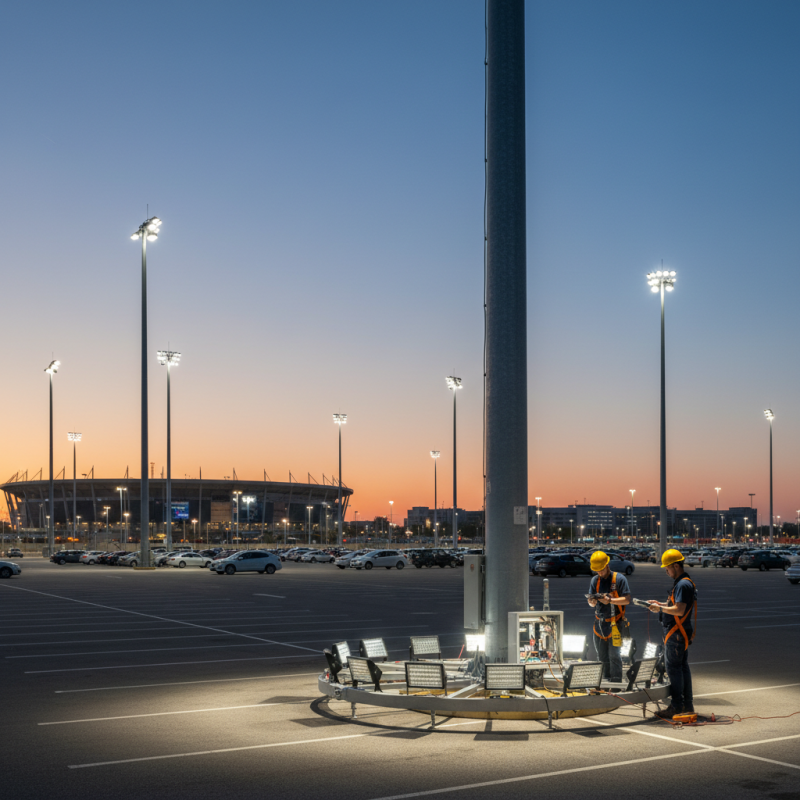
High mast lowering systems play a crucial role in urban lighting and safety. They are large lamp posts that can be lowered for maintenance. This feature reduces downtime during bulb changes. Understanding these systems is essential for effective city management.
The design of high mast lowering systems involves many components. The winch mechanisms and cables need regular inspection. It’s important to check for wear and tear, as this could lead to failures. Many municipalities overlook these details, resulting in extended outages. A proactive approach can save time and money.
Training personnel to maintain these systems is vital. Staff should know how to operate the lowering mechanism safely. Mistakes during maintenance can lead to accidents. Reflecting on past maintenance failures can help improve practices. Continuous learning is essential in this field.
Routine inspections are crucial for the effective maintenance of high mast lowering systems. These systems are often used in outdoor lighting and require a careful approach to ensure safety and functionality. Inspecting the mast's condition should be the first step. Check for any visible rust, dents, or other forms of damage that could compromise structural integrity.
Another important facet is to examine the lowering mechanism. Listen for unusual sounds when lowering the mast. Any grinding or excessive noise can indicate wear that needs attention. Lubricate moving parts regularly to prevent friction-related issues. Additionally, verify that all fasteners are secure. Loose components can lead to malfunctions and unexpected failures.
Safety protocols cannot be overlooked. Always ensure the area is clear before conducting inspections. Use personal protective equipment. While these inspections are routine, they are not infallible. There’s always a risk of missing a critical issue. Keeping a detailed log can help track inspections and pinpoint recurring problems. Regular reviews of this log can provide valuable insights.
Maintaining high mast lowering systems is essential for optimal performance and safety. Regular inspections and maintenance tasks ensure longevity. According to the American National Standards Institute (ANSI), about 30% of equipment failures occur due to inadequate maintenance. Regular checks on pivot points and hydraulic components prevent costly breakdowns.
Operators should conduct visual inspections monthly. Look for signs of wear or corrosion on mast cables. Studies show that a 10% increase in inspection frequency can reduce equipment failures by nearly 15%. Additionally, lubricating moving parts consistently is crucial. This task often gets overlooked, yet it significantly affects system functionality.
Another critical maintenance task involves checking the electrical systems. Faulty wiring accounts for 25% of operational issues in lowering systems. Using thermal imaging cameras can help identify hotspots, indicating potential failures. Addressing these issues promptly can prevent significant downtime and enhance overall reliability. Remember, even the smallest oversight can lead to major consequences in safety and performance.
High mast lowering systems can face various issues that affect their performance. One common problem is the failure of the lowering mechanism. This can happen due to wear and tear or insufficient maintenance. Regular inspection is crucial. Look for signs of rust or damage. Lubricate moving parts frequently to prevent friction.
Another challenge often encountered is electrical failure. If the lights do not turn on, check the power supply first. Faulty wiring can also be a culprit. Ensure connections are secure and replace any damaged components. Consider implementing a scheduled maintenance routine to avoid such issues.
Worn cables are easy to overlook but can cause significant problems. Inspect cables regularly for fraying or corrosion. Replace them as needed to ensure safety. Sometimes, users may not realize the importance of these checks. A proactive approach will lead to fewer breakdowns and safer operations.
Maintaining high mast lowering systems can be tricky. Safety should always come first during these operations. Proper training is essential for all personnel involved. Those who perform maintenance must understand the risks involved. Familiarize yourself with all equipment and procedures. Regular safety drills can help reinforce important protocols.
Always conduct a risk assessment before starting any maintenance task. Review potential hazards like electrical exposure and falling objects. Implement clear communication among team members. Use hand signals or two-way radios during operations. This minimizes confusion and ensures everyone is on the same page. Wear appropriate personal protective equipment, such as helmets and gloves. Just one slip can lead to serious injuries.
Beyond safety gear and communication, consider the environment in which you work. Weather conditions can change quickly. High winds or rain can make maintenance risky. Monitor the forecast and plan accordingly. Ensure that all tools and equipment are in good condition. A faulty tool can lead to accidents. Reflections on past operations can reveal areas of improvement. Each maintenance session is an opportunity to learn.
| Maintenance Activity | Frequency | Tools Required | Safety Measures | Notes |
|---|---|---|---|---|
| Visual Inspection | Monthly | Binoculars, Checklist | Wear hard hats, high visibility vests | Focus on signs of wear and corrosion |
| Lubrication of Mechanisms | Quarterly | Grease Gun, Lubricant | Use proper PPE, avoid inhalation | Ensure to use recommended lubricants |
| Electrical System Check | Bi-Annual | Multimeter, Insulation Tester | De-energize the system before inspection | Check for loose connections |
| Hydraulic System Maintenance | Annually | Wrench Set, Hydraulic Fluid | Avoid skin contact with fluid, use gloves | Inspect hoses for leaks |
| Structural Integrity Check | Every 2 Years | Torque Wrench, Inspection Tool | Use harness when climbing | Look out for structural cracks |
: They are used for urban lighting and safety. They can be lowered for easier maintenance.
Regular maintenance ensures optimal performance and reduces downtime during bulb changes.
Operators should conduct visual inspections at least once a month.
Around 30% of equipment failures happen due to poor maintenance practices.
Inspect pivot points, hydraulic components, and cables for wear or corrosion.
Lubrication significantly affects functionality, but it is often neglected.
Faulty wiring can cause 25% of operational issues, leading to significant downtime.
Thermal imaging cameras can detect hotspots that indicate wiring failures.
A 10% increase in inspection frequency can reduce failures by nearly 15%.
Mistakes can lead to accidents, compromising safety and performance.
Proper maintenance of high mast lowering systems is crucial for ensuring their reliability and safety in illuminating large areas. Understanding the importance of these systems is the first step in effective maintenance. Regular routine inspections help identify potential issues early, while essential maintenance tasks, such as lubrication and component checks, are vital for optimal performance.
In addition to inspections and maintenance, knowing how to troubleshoot common issues can save time and resources, allowing for swift resolutions. Safety is paramount during maintenance operations; following best practices ensures that technicians are protected while performing necessary tasks. Ultimately, the question of how to maintain high mast lowering systems is answered through consistent monitoring, proactive maintenance, and adherence to safety protocols, ensuring these systems operate efficiently and provide the necessary illumination.

Rhynox Lighting