Top 10 Reasons High Mast Lights Are Ideal for Highway Interchanges?

Time:2026-05-19 Author:Oliver
0%

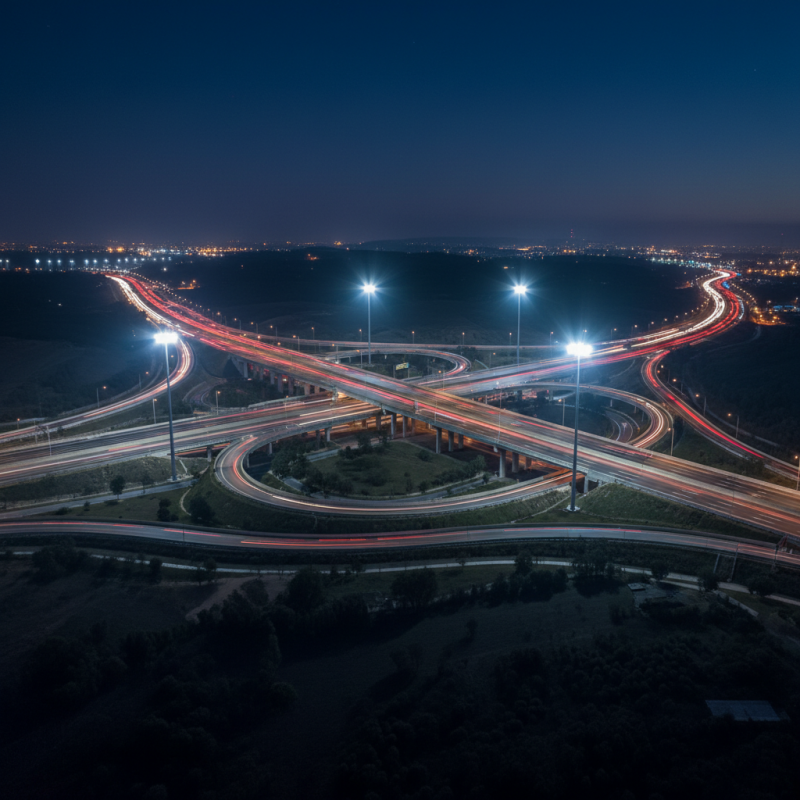
High mast lights have become a popular choice for illuminating highway interchanges. Their design and functionality offer unique advantages that enhance safety and visibility. Why are high mast lights preferred for highway interchanges? This question is central to understanding their effectiveness.

High mast lights provide broad illumination. This reduces dark spots that can create hazards for drivers. Additionally, their height allows for a wider reach. An illuminated interchange improves driver confidence and promotes smoother traffic flow. It’s essential that drivers feel secure when navigating complex roadways.

Cost efficiency is another significant factor. High mast lighting systems require fewer poles and fixtures. This can lead to lower installation and maintenance costs. However, challenges still exist, such as the need for regular upkeep to maintain optimal brightness. These elements highlight the importance of reliable lighting in high-traffic areas.
Top 10 Reasons High Mast Lights Are Ideal for Highway Interchanges?

Benefits of High Mast Lights for Enhanced Visibility in Traffic Areas

High mast lights play a crucial role in enhancing visibility at highway interchanges. These lights are much taller than standard street lights. Positioned high above the ground, they illuminate larger areas. This wide coverage minimizes dark spots where accidents may occur. Visibility is vital during night hours or in adverse weather. Drivers can see at greater distances, promoting safer navigation.

Moreover, high mast lighting improves driver perception. The bright illumination draws attention, making interchanges more noticeable. This is especially important for complex intersections. Drivers often feel more confident when they can clearly see road signs and lane markings. Poor visibility can lead to confusion and risky maneuvers. Thus, more light translates to greater safety for all road users.

However, the installation of high mast lights requires careful consideration. There is a balance between lighting and potential glare. Some drivers may be distracted by overly bright lights. Regular maintenance is also essential to ensure functionality. A well-lit interchange can become unsafe if lights malfunction. This aspect cannot be overlooked in lighting design plans.

Cost-Effectiveness: High Mast Lighting vs. Traditional Street Lights

High mast lighting offers significant cost savings compared to traditional street lights. They require fewer fixtures to illuminate a large area effectively. This means reduced installation costs and lower maintenance expenses. Maintenance crews spend less time replacing bulbs or repairing fixtures. With high mast lights, fewer outages occur. This reliability enhances public safety.

Moreover, high mast lights have longer lifespans. LED technology, commonly used in these lights, provides up to 50,000 hours of illumination. In contrast, traditional street lights often need replacement within 10,000 to 20,000 hours. Although high mast lights can have a higher initial cost, the long-term savings can be substantial.

However, not every installation runs perfectly. Some areas might have height constraints or local regulations. Planning must consider the specific needs of the interchange. Additionally, issues can arise with light pollution and glare. Balancing visibility and comfort remains an ongoing challenge. Achieving optimization can lead to better community acceptance and effectiveness.

Cost-Effectiveness: High Mast Lighting vs. Traditional Street Lights

The chart above illustrates the annual maintenance costs associated with High Mast Lighting compared to Traditional Street Lights. As depicted, High Mast Lighting significantly reduces maintenance expenses, highlighting its cost-effectiveness for highway interchanges.

Safety Improvements: Reduction in Accident Rates at Interchanges

High mast lights are becoming increasingly popular at highway interchanges. These tall lighting solutions significantly enhance visibility for drivers. By illuminating large areas, they reduce blind spots, allowing for better awareness of surroundings. Improved lighting helps drivers react faster to sudden changes in traffic conditions. This is crucial in high-traffic areas where accidents are more likely to occur.


Research indicates that well-lit interchanges can lead to a noticeable drop in accident rates. The clear visibility provided by these lights helps prevent collisions, especially during night-time or inclement weather. However, not all high mast light installations are flawless. Some areas have reported issues with light glare, which can distract drivers rather than aid them.


The design of high mast lights can also be a point of contemplation. While their height allows broader coverage, it can create shadows in certain spots. Identifying and addressing these concerns is essential for maximizing safety. Collaboration between engineers and local authorities is vital to ensure that lighting designs meet the needs of drivers efficiently.

Energy Efficiency of High Mast Lights in Roadway Applications

High mast lights are becoming increasingly popular for highway interchanges, particularly due to their energy efficiency. These fixtures offer improved illumination over a larger area compared to traditional lighting. They can use LED technology to reduce energy consumption significantly. With lower wattage, these lights not only lower electricity bills but also reduce the environmental footprint.

The design of high mast lights supports longer-lasting performance. Typically, LEDs have a lifespan of over 50,000 hours, almost five times that of conventional bulbs. This decrease in frequency of replacement leads to lower maintenance costs. However, installation costs can be high, and there may be challenges in height adjustment for upkeep.

Energy efficiency is not merely about saving money. It is also about safety and visibility. Well-lit interchanges improve driver awareness, reducing accidents. Yet, it's essential to monitor any potential light pollution caused by these tall installations. Striking a balance is crucial for the overall effectiveness of high mast lights in roadway applications.

Longer Lifespan and Lower Maintenance Needs of High Mast Lighting Systems

High mast lights are increasingly recognized for their longer lifespan and reduced maintenance requirements. According to studies, these lighting systems can last up to 50,000 hours. This is significantly longer than traditional streetlights, which often require replacement after only 15,000 hours. A longer lifespan translates to fewer replacements and diminished overall costs. Highway interchanges benefit from this durability, minimizing disruption and ensuring consistent illumination.

Regular maintenance can be a burden for municipalities. High mast lights require less frequent maintenance, which is both time-consuming and costly. A report by the National Lighting Bureau indicates that the maintenance costs for high mast lighting can be 50% lower than that of traditional lighting systems. This aspect is critical, especially in high-traffic areas. However, some decision-makers may overlook these factors due to strict initial budget constraints. Cost-effective solutions are often dismissed, leading to greater long-term expenses.

While the advantages are clear, there are challenges. Installation of high mast lighting requires careful planning and skilled labor. Poor execution can create safety issues. The initial investment can be daunting for some. Cities must weigh these factors against the substantial long-term benefits. With strategic planning, high mast lights can significantly enhance both safety and efficiency at highway interchanges.

FAQS

: What are high mast lights?

: High mast lights are tall lighting solutions used to illuminate large areas, especially at highway interchanges.

How do high mast lights improve visibility?

They are positioned high above the ground, reducing dark spots and allowing for better driver awareness.

Why is visibility important for drivers?

Improved visibility helps drivers see road signs and lanes clearly, reducing confusion and enhancing safety.

Can high mast lights reduce accident rates?

Yes, studies show that well-lit interchanges lead to fewer accidents, especially at night or in bad weather.

Are there any drawbacks to high mast lights?

Some installations may cause glare, which can distract drivers and negate visibility benefits.

What maintenance do high mast lights require?

Regular maintenance is crucial to ensure lights are functional; malfunctioning lights can create unsafe conditions.

How does the height of these lights affect their performance?

While height allows for broader coverage, it can also create shadows, complicating visibility in certain areas.

Who is involved in the design of high mast lights?

Collaboration between engineers and local authorities is necessary to meet driver needs effectively.

What should be considered when installing high mast lights?

It's essential to balance adequate lighting with the potential for glare that may distract drivers.

Is the installation of high mast lights always successful?

Not always; some areas face challenges like light glare or shadows, which require careful planning and evaluation.

Conclusion

High mast lights have gained popularity for highway interchanges due to their numerous advantages, particularly in enhancing visibility. With their ability to illuminate large areas effectively, high mast lights significantly improve safety by reducing accident rates at critical junctions. Additionally, they offer a cost-effective solution compared to traditional street lighting, as they require less maintenance and have a longer lifespan, making them a more sustainable choice for roadway applications.

Energy efficiency is another key benefit, as high mast lights consume less power while providing superior illumination. Given these advantages, one may wonder, "Why are high mast lights preferred for highway interchanges?" The combination of enhanced visibility, improved safety, and cost-effectiveness makes them the ideal choice for ensuring safer and more efficient traffic flow in these essential areas.

Oliver

Oliver

Oliver is a seasoned marketing professional with a wealth of expertise in driving brand awareness and engagement. With a deep understanding of our company's product offerings, he consistently delivers high-quality content that enriches our professional blog. His insights not only shed light on......