Plaza lighting is essential for enhancing safety and ambiance in public spaces. Choosing the correct height for your lighting fixtures plays a crucial role in achieving optimal illumination. As we delve into the question, "What is the ideal mounting height for plaza lighting?", we find a blend of science and art.
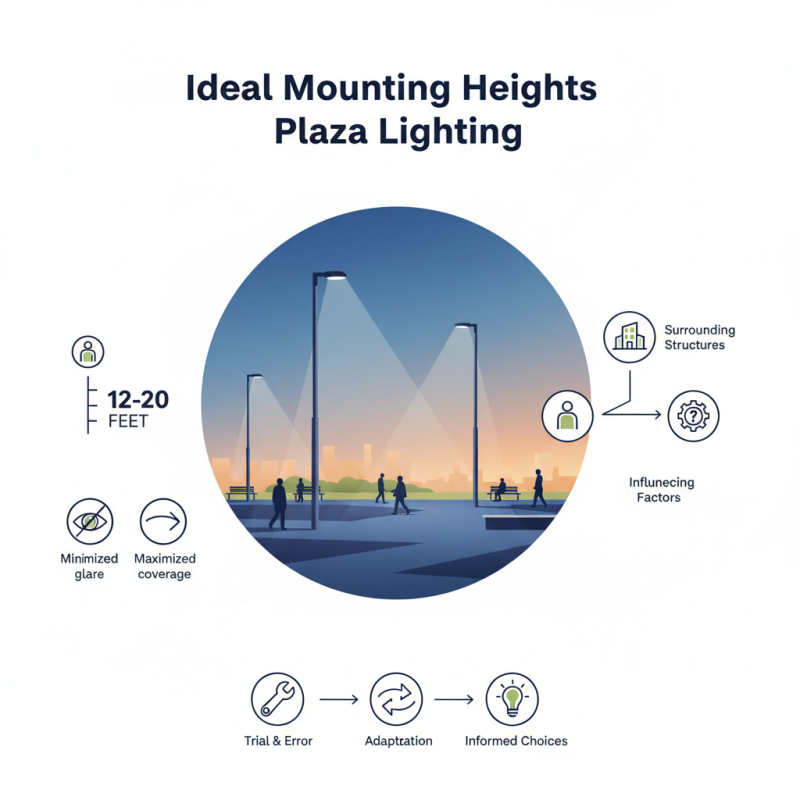
Experts suggest that the ideal height typically ranges from 12 to 20 feet. This range effectively minimizes glare while maximizing coverage. However, influencing factors, such as surrounding structures and pedestrian heights, can make this decision complex. It’s important to consider all these variables when planning your installation.
You may find that the first decision is the easiest, but not all configurations will work well in practice. There isn't a one-size-fits-all answer, and sometimes trial and error is necessary. This exploration will help you adjust expectations and adapt to specific plaza needs. Ultimately, informed choices lead to better outcomes in plaza illumination.
Plaza lighting plays a crucial role in urban spaces. It enhances safety, encourages social interaction, and creates an inviting atmosphere. Properly designed lighting can transform a dull area into a vibrant hub. Its significance cannot be overstated, as it affects both aesthetics and functionality.
Understanding the right lighting for plazas is essential for urban planners. Efficient lighting should illuminate pathways, seating areas, and focal points. It should also promote visibility without causing glare. An ideal balance is crucial. If lighting is too dim, it may feel unsafe. If it’s too bright, it may create discomfort.
Choosing the right height for lighting fixtures is vital. Elevated lights cover larger areas but can create shadows. Lower fixtures might provide a cozy feel but may not reach every corner. Reflecting on these factors is necessary. Each plaza is unique. Adapting lighting to the specific environment ensures a successful outcome.
| Lighting Type | Recommended Mounting Height (ft) | Effective Coverage Area (sq ft) | Optimal Use Cases |
|---|---|---|---|
| LED Post Top Lights | 10-14 | 150-200 | Plaza entrances, pathways |
| Wall-Mounted Sconces | 8-12 | 50-100 | Building facades, outdoor cafes |
| Pedestrian Area Lights | 12-16 | 200-300 | Main walkways, gathering spots |
| Flood Lights | 14-20 | 400-600 | Sport areas, events, security |
| String Lights | 8-10 | Varies with layout | Decorative settings, markets |
When considering the ideal mounting height for plaza lighting, several factors play a crucial role. Visibility is paramount. The right height ensures that lights illuminate paths without creating dark spots. A common height range is between 12 to 20 feet for plaza areas. This range allows light to spread evenly, enhancing safety and aesthetics.
Another important factor is the type of activity in the plaza. Areas for gatherings may need brighter, higher lights. Conversely, spaces meant for relaxation might benefit from lower lighting. Always observe how light interacts with the environment. Sometimes, lower fixtures can create inviting nooks.
When considering plaza lighting, the mounting height plays a crucial role in effectiveness. Generally, the recommended height ranges vary based on the type of lights used. For instance, pedestrian lights should typically be installed at a height of 10 to 14 feet. This height ensures that pathways are well-lit while avoiding light pollution. Lower installations can lead to shadows, which might create unsafe conditions.
On the other hand, decorative or architectural lights should be mounted higher, around 15 to 20 feet. This height allows broader light distribution, enhancing the plaza's aesthetics and visibility. Proper positioning helps in maintaining a balance between ambiance and safety. However, if the lights are too high, the effectiveness decreases, making the area feel less inviting.
Reflecting on these recommendations, it's crucial to consider the specific environment. Factors such as surrounding buildings and tree heights can impact the overall effectiveness of the lighting. Adjustments may be necessary to ensure a harmonious balance and optimal light coverage. Understanding the surroundings and making thoughtful choices will improve both functionality and aesthetic appeal.
The mounting height of plaza lighting significantly impacts light distribution and safety. According to a study by the Illuminating Engineering Society, optimal mounting heights typically range from 14 to 20 feet. This height helps ensure even illumination across the area, reducing dark spots that can lead to accidents. Ineffective height can cause shadows, creating hazards for pedestrians.
Low-mounted lights may provide insufficient coverage. In contrast, excessively high fixtures can create a glaring effect, impairing visibility. The National Safety Council indicates that well-lit areas can decrease crime rates by up to 20%. Proper height selection directly influences safety perceptions in public spaces.
It's crucial to evaluate the specific needs of the plaza. Factors like plaza size and intended activities play a role in height decisions. Lighting design should not only focus on aesthetics but also on functionality. Relying solely on standard recommendations can overlook community-specific requirements. Balancing light intensity and distribution is an ongoing challenge that needs thorough examination.
When it comes to maintaining plaza lighting, regular checks are crucial. Dust and debris can diminish light output. A recent study by the Illuminating Engineering Society indicates that proper maintenance can enhance lighting performance by over 20%. Cleaning fixtures periodically ensures optimal brightness and safety.
Here are a few tips for maintenance:
- Inspect fixtures every month.
- Replace burned-out bulbs immediately.
- Check for any wiring problems.
Adjusting the mounting height also plays a significant role in performance. The ideal height typically ranges from 12 to 20 feet, depending on the area’s size. If the lights are too low, they might cause glare. Too high, and their spread might not cover the intended area. Hence, experimentation is often needed.
Monitoring light levels with a lux meter can provide data for adjustments. This method reveals real-time conditions and ensures compliance with local standards, which often recommend maintaining light levels between 5-10 lux for pedestrian areas. Regularly evaluating these factors supports safety and enhances the plaza's ambiance.
This chart displays the optimal mounting height for lighting in various plaza areas. The heights measured in feet ensure sufficient illumination adapted to each location's needs, enhancing safety and aesthetics.
: Optimal heights typically range from 14 to 20 feet for even light distribution.
Poor height can cause shadows, increasing hazards for pedestrians, while proper height reduces dark spots.
Low-mounted lights may result in insufficient coverage, leading to unsafe conditions.
Excessively high fixtures create glare, impairing visibility for those in the area.
Regular checks prevent dust buildup, enhancing light output and safety by over 20%.
It's advisable to inspect fixtures every month for optimal performance.
Replace burned-out bulbs immediately to maintain light quality and safety.
Monitor light levels with a lux meter to confirm compliance with standards.
Local standards often suggest maintaining light levels between 5-10 lux.
Balancing light intensity and distribution continues to be a challenging yet essential task.
When considering plaza lighting, one of the most crucial factors is determining "What is the ideal mounting height for plaza lighting?" The mounting height significantly influences light distribution, ensuring that spaces are well-lit for safety and ambiance. Factors such as the type of plaza light, the purpose of the illumination, and the area’s architectural features all play a pivotal role in selecting the appropriate height.
Typically, recommended height ranges vary depending on the type of plaza light being used, with considerations for optimal brightness and coverage in mind. Additionally, the mounting height can affect how light spills into surrounding areas, impacting both safety and aesthetic appeal. Regular maintenance and adjustments are essential to maintain optimal lighting performance, ensuring that the plaza remains a welcoming and secure environment for all visitors.

Rhynox Lighting