Reducing glare in sports stadium lighting is crucial for both player performance and spectator experience. According to Dr. Emily Carter, an expert in sports lighting design, “Proper glare control transforms an average game into an unforgettable experience.” Her insights highlight the importance of addressing glare issues effectively.
Stadium lighting that causes glare can distract athletes and diminish fan enjoyment. Players may struggle to focus on the ball or the game dynamics, leading to mistakes. Fans, on the other hand, can find bright lights overwhelming, affecting their overall experience. Thus, the question arises: How to reduce glare in sports stadium lighting?
Solutions exist but often lack implementation. Shielding fixtures and using softer light distributions can significantly mitigate glare. However, many stadiums overlook these strategies. There's still much to reflect on in the realm of lighting design. As we strive for improved sports environments, addressing glare is a fundamental step forward.
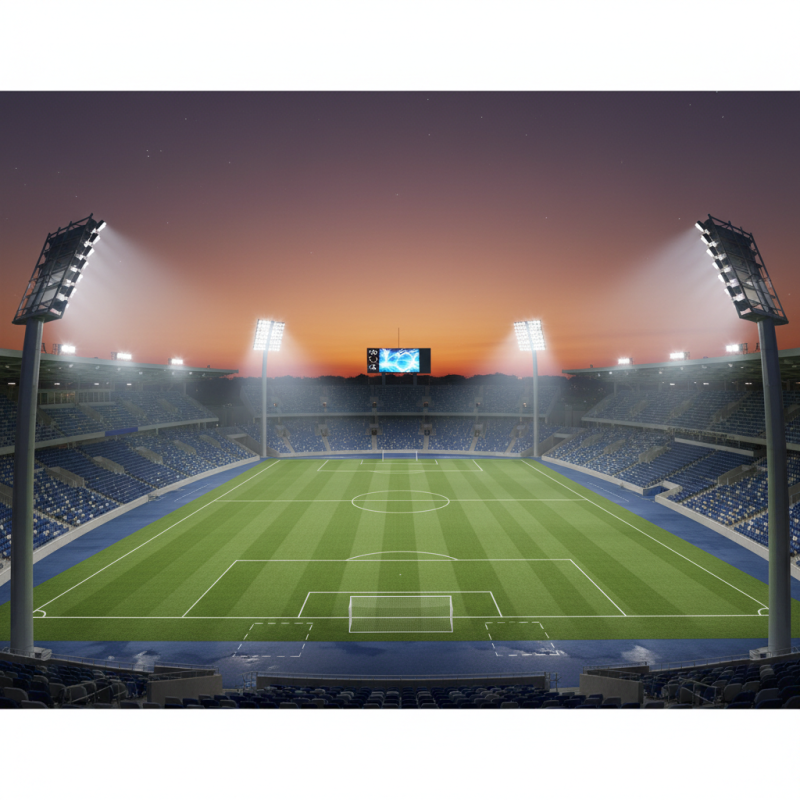
Glare in sports stadium lighting can significantly affect both players and spectators. This phenomenon occurs when excessive brightness causes discomfort or reduces visibility. For athletes, glare can disrupt focus and impair performance, especially in fast-paced games. A player squinting to block out harsh lighting misses crucial moments. This distraction can lead to mistakes and unintentional errors.
For spectators, glare impacts the viewing experience. Fans may struggle to see plays clearly, leading to frustration. A bright light source can cause discomfort, shifting attention away from the action. It detracts from the thrill of the game. Designers must consider glare when developing lighting systems. Finding the right balance is essential.
However, achieving optimal lighting remains a challenge. Efforts to reduce glare can sometimes result in insufficient brightness. Striking the right balance between visibility and glare reduction requires careful planning. Testing various angles and intensities is often necessary. Continuous improvement is vital. It demands ongoing assessment and adjustments based on real-life observations. These efforts ultimately enhance enjoyment for both players and fans.
Glare in sports stadiums can significantly affect player performance and safety. Bright lights, especially in outdoor environments, can create distracting reflections. This discomfort may hinder players' focus during crucial moments. Poor visibility caused by glare can impact decisions made on the field. For instance, a player might misjudge a pass due to overwhelming brightness.
To mitigate these effects, stadium designers should prioritize glare reduction strategies. One effective approach is using shielded light fixtures. These ensure that light is directed toward the field rather than into players’ eyes. Another method involves employing adaptive lighting systems. These systems can adjust brightness levels based on the day's specific conditions.
Tips: Consider shades and screens for optimal positioning of lights. Regular maintenance can also help maintain consistent lighting quality. Ensuring that lights are evenly distributed can prevent hot spots that cause glare. Proper consultation with lighting experts can lead to tailored solutions for unique stadium layouts. Focusing on these aspects can lead to safer and more effective game play.
Glare in sports stadiums significantly impacts spectator experience. Bright lighting can create uncomfortable visual conditions. Spectators may squint, miss important moments, or even feel fatigued. This discomfort can detract from their enjoyment of the game. A study showed that fans exposed to glaring lights reported lower engagement. They felt distracted, affecting their overall experience.
Reducing glare can enhance the atmosphere. Improved visibility allows fans to follow the action better. Their focus shifts from physical discomfort to the game itself. A well-lit stadium creates a vibrant environment. Fans cheer louder and engage more when they can see clearly. However, maintaining this balance is challenging. Lighting professionals often need to compromise between brightness and comfort.
Engagement is vital in sports. When spectators are comfortable, they are more likely to return. Yet, many stadiums still struggle to achieve this ideal lighting. Lessons from poorly lit games remind us of the importance of proper glare control. As stadiums evolve, prioritizing spectator experience will remain crucial. It can shape the future of how fans enjoy their favorite sports.
Reducing glare in sports stadium lighting is crucial for enhancing both player performance and spectator experience. High levels of glare can lead to distractions, reducing focus and potentially affecting outcomes. Studies show that glare can decrease visual acuity by up to 40%, making it difficult for athletes to track fast-moving balls or players. This loss of clarity can signal a need for better lighting solutions.
Technological advancements now provide various options for minimizing glare. One effective method involves using LED lights with adjustable luminance. These lights can be programmed to provide optimal brightness based on the time of day and environmental conditions. The International Lighting Design Association reports that such adaptive systems can cut glare by up to 60%. Additionally, optical filters can be integrated into lighting designs. These filters can diffuse light, reducing harshness and creating a more even illumination across the field.
While these solutions are promising, they are not without challenges. Different stadium designs may affect how light interacts with the space. The installation process can also be complicated and costly. Some facilities may not have the budget for high-end solutions, which raises concerns about equal access to high-quality experiences. Addressing glare requires ongoing evaluation of technology and its practicality in real-world scenarios. Implementing the latest lighting techniques is a step forward, but constant innovation and adaptation to specific needs remain essential.
| Aspect | Importance | Technological Solutions |
|---|---|---|
| Player Safety | Reducing glare helps to prevent accidents and injuries during gameplay. | Directional lighting technology to minimize glare. |
| Fan Experience | Improved visibility enhances the viewing experience for the audience. | LED light fixtures with glare-reducing lenses. |
| Broadcast Quality | Minimizes lighting issues that can affect camera quality during live broadcasts. | Advanced beam shaping technologies to ensure even light distribution. |
| Energy Efficiency | Reduced glare often correlates with better energy use, keeping costs down. | Smart lighting systems that adjust brightness automatically based on conditions. |
| Regulatory Compliance | Meeting safety standards set by local authorities and sporting bodies. | Use of certified lighting products that adhere to regulations. |
In sports stadiums, glare from lighting can significantly impact player performance and fan experience. Efficient lighting design can mitigate these issues. Studies indicate that approximately 70% of athletes report discomfort caused by excessive glare, which can impair their focus and reaction times. Designing glare-free lighting systems is crucial for optimizing visibility.
To achieve effective glare reduction, consider the positioning of light fixtures carefully. Fixtures should be angled to minimize direct line-of-sight to players and spectators. This strategy not only reduces discomfort but also enhances the overall ambiance. According to a report by the International Sports Lighting Association, proper fixture placement can improve visibility by up to 30%.
Moreover, selecting suitable light sources is essential. LED lighting offers flexibility in color temperature and intensity. However, even LEDs can produce unwanted glare if not installed correctly. Using diffusers and shielding can further limit glare and create a more comfortable viewing environment.
While these strategies show promise, there are still challenges. Some existing stadiums may not easily accommodate new designs. Retrofitting old lights can be expensive and complex. It’s vital to weigh these options against the benefits of improved performance and satisfaction. Continuous evaluation and adaptation of lighting systems will be key in addressing these issues.
: Glare occurs when excessive brightness causes discomfort and reduces visibility for players and spectators.
Glare can disrupt players' focus, leading to mistakes and poor decision-making during critical moments.
Spectators may struggle to see plays, feel discomfort, and become frustrated, reducing their enjoyment of the game.
Shielded light fixtures and adaptive lighting systems are effective methods for minimizing glare.
Reducing glare without sacrificing brightness is difficult. Testing various angles and adjustments is often necessary.
Bright lighting may cause discomfort, leading to lower engagement and fewer fans returning for future events.
Regular maintenance and ensuring even light distribution can help prevent glare and improve visibility.
Continuous evaluation helps identify glare issues and adjust lighting for a better experience for both players and fans.
Experiences from games with significant glare highlight the importance of proper glare control for enjoyment and safety.
Reducing glare in sports stadium lighting is crucial for enhancing both player performance and spectator experience. Glare can impair athletes' vision, potentially impacting their safety and overall performance on the field. For spectators, excessive glare may detract from their engagement and enjoyment of the event, leading to a less favorable atmosphere.
To address the issue, understanding the sources and effects of glare is essential. Implementing technological solutions, such as advanced lighting systems and optimal fixture placement, can significantly diminish glare. Best practices in designing glare-free lighting systems involve careful planning and consideration of the stadium's layout and audience areas. Therefore, the question "How to reduce glare in sports stadium lighting?" can be effectively answered through a combination of innovative technology and strategic design.

Rhynox Lighting