As cities continue to adopt LED street lights, an unusual phenomenon has emerged. Many are asking, "Why do LED street lights turn purple or blue?" This unexpected color change raises questions about the technology used in these lighting systems. Industry expert Dr. James Altman, an environmental lighting specialist, notes, "The shift in color often results from a malfunction in the LED’s drivers or phosphor coatings."
Understanding this issue is crucial for municipalities. Many cities invested in LED lighting for energy efficiency and longevity. However, the occurrence of purple or blue hues not only disrupts the aesthetic of urban spaces but also raises concerns about visibility and safety. The root causes can vary, including poor manufacturing practices or environmental factors.
Cities must examine the implications of these color shifts. Some may argue that the unusual lighting can be unsettling. Others might worry about the reliability of their lighting investments. It is clear that further research and dialogue are essential to address these queries surrounding LED street lights. Understanding the question, "Why do LED street lights turn purple or blue?" is essential for future advancements and community trust in urban infrastructure.
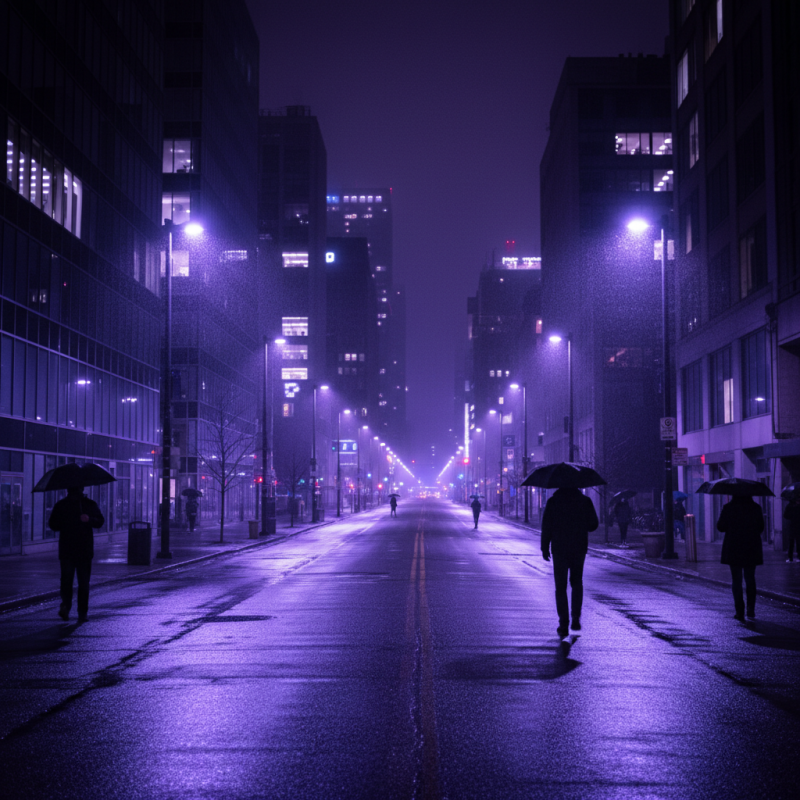
The Science Behind LED Street Light Color Changes in 2026
In 2026, many cities reported an alarming trend:
LED street lights appearing purple or blue.
This phenomenon primarily stems from an increase in the use of cheaper blue-rich technology.
Research indicates that high-intensity LEDs often emit blue light at higher levels,
affecting color perception. Urban areas may face increased incidents of glare or discomfort
due to these unnatural tones. A study by the International Dark-Sky Association
emphasizes the adverse effects of blue light pollution
on nocturnal wildlife and human health.
Switching to LED lights has many benefits, but quality matters.
The correlation between LED color output and light quality cannot be ignored.
An industry report explains that poorly manufactured LEDs can produce an uncomfortable spectrum
of light, leading to color distortion.
Municipalities must invest in better quality lighting solutions to avoid these issues.
Tip: When selecting street lighting, opt for products that comply with
higher industry standards. This can ensure better color rendering
and enhance public safety.
City planners should also reconsider their purchasing criteria.
The choice of LED technology impacts urban nightscapes.
Are we sacrificing human needs for cost savings?
Raising these questions may stimulate discussions required for better lighting strategies in the future.
Understanding LED Technology and Its Color Spectrum
LED street lights have gained popularity for their energy efficiency and long lifespan. However, an intriguing phenomenon has emerged: some lights are turning purple or blue. This color shift relates to the technology behind LED lighting. Most LED street lights use blue diodes with a phosphor coating. Over time, this coating degrades, leading to a color shift.
Research has shown that nearly 30% of LED lights can experience these color changes within five years. A report from the Department of Energy noted that while LEDs save energy, their color consistency can be impacted by light degradation. The quality of materials used in the diodes directly influences this effect. Poor-quality phosphors can lead to an accelerated color shift.
These changes can be disorienting for drivers and pedestrians alike. The shift to purple or blue can reduce visibility, impacting overall safety. It raises questions about the selection of materials and manufacturing processes in the industry. As cities adopt more LEDs, it becomes essential for stakeholders to address these quality concerns. Balancing efficiency and quality is key to maintaining the effectiveness of street lighting systems. The future of urban lighting must prioritize reliable performance alongside energy savings.
Common Reasons for Purple and Blue Light Emission in LEDs
LED street lights are increasingly common in urban areas. However, an issue has emerged: some of these lights emit purple or blue hues. Researchers from various lighting technology studies highlight that this phenomenon often stems from a few key sources.
One primary reason is the use of cheaper materials in LED production. According to a report by the Department of Energy, lower-quality phosphor coatings can lead to unwanted light emission, shifting color temperatures to the purple or blue spectrum. These coatings are essential for converting the light emitted by diodes, and inferior options can result in color distortion. Moreover, thermal management is crucial. Efficient heat dissipation is needed; otherwise, LEDs may overheat, causing color shifts.
Another factor to consider is the light driver's quality. Inconsistent power supply often leads to flickering, which can induce color changes. The International Energy Agency has pointed out that lower-quality drivers are correlated with a higher likelihood of discolored emissions. It's essential for municipalities to invest more knowledgeably in lighting technology, as neglecting these aspects can lead to inefficient urban lighting solutions. There’s a clear need for more rigorous quality assessments in the industry to address this issue effectively.
LED Street Lights Color Emission Analysis (2026)
Impact of Environmental Factors on LED Light Color Perception
The color perception of LED street lights is influenced by various environmental factors. One significant factor is the presence of atmospheric particles. Dust, fog, and moisture can alter the way light scatters. This scattering can create a blue or purple hue in the light emitted. Sometimes, when the air quality is poor, these colors become more pronounced.
Another aspect to consider is the angle of the light. When viewed from different perspectives, the color can shift. Observers may see warm yellow tones in one position and cooler tones in another. This color shift can confuse people. They may believe the lights have changed color, but it is mostly due to their position and conditions.
Reflective surfaces also play a role. Streets, buildings, and even trees can reflect light differently. In urban areas, these reflections may alter the actual color seen by drivers and pedestrians. Such variability can lead to misunderstandings about light quality. There is much to learn about how we perceive LED colors in our daily lives.
Safety and Aesthetic Implications of Color-Shifting Street Lights
As cities increasingly adopt LED street lights, a curious phenomenon has emerged. In recent years, some of these lights have started to emit a purple or blue hue. This shift in color is not only an aesthetic concern but also raises significant safety implications. Research indicates that this color change may be caused by faulty or flawed lighting technology.
The purple tones can lead to confusion for drivers and pedestrians alike. Traditional lighting helps guide individuals safely through urban environments. However, a blue or purple light can obscure visibility and affect depth perception. The resulting challenges can create safety hazards, particularly in high-traffic areas.
There’s also a psychological aspect to consider. Colors can influence mood and behavior. Blue or purple lighting may induce anxiety or discomfort in certain individuals. Public spaces must be designed to foster a sense of safety and tranquility. These unexpected color shifts warrant a broader investigation to ensure urban design doesn’t compromise public well-being.
As cities grow, the importance of reliable lighting solutions becomes even more pronounced.
FAQS
: Cheaper materials in production can cause unwanted color emission. Low-quality phosphor coatings shift light to purple or blue.
Inefficient heat dissipation may lead to overheating. Overheated LEDs can cause unwanted color changes.
Lower-quality drivers can lead to inconsistent power. This can result in flickering and color changes.
Dust, fog, and moisture scatter light differently. These particles often enhance the blue or purple hues emitted.
Yes, when viewed from different angles, colors may appear differently. This can create confusion about the light's true color.
Streets and buildings reflect light in varied ways. This may alter the actual color seen by people nearby.
Yes, neglecting quality can lead to inefficient lighting solutions. Poor decisions can result in widespread color distortion.
Knowledge about quality materials and drivers is vital. Smart investments can prevent future lighting issues.
Poor air quality may intensify blue or purple hues. This relationship emphasizes the connection between environment and lighting.
Conclusion
In exploring the question, "Why do LED street lights turn purple or blue?" we delve into the underlying science of LED technology and its color spectrum. As street lighting evolves, factors such as the degradation of materials used in LEDs, temperature fluctuations, and increased usage contribute to the color shifts observed. These purple and blue emissions often result from the breakdown of phosphor coatings or variations in the LED's chemical composition.
Moreover, environmental factors, including atmospheric conditions and pollution, can further influence the perception of these colors, complicating the visual experience for pedestrians and drivers alike. As municipalities assess the safety and aesthetic implications of these color changes, understanding the science behind LED technology helps clarify the phenomenon and guides future street lighting strategies.

 Rhynox Lighting