Top 10 Tips to Protect Outdoor Lights from Coastal Salt Spray?

Time:2026-05-22 Author:Mason
0%

Outdoor lighting adds charm to coastal properties. However, the relentless salt spray from the ocean can damage these fixtures. Many homeowners overlook this crucial aspect when installing lights. This article addresses a common question: How to protect outdoor lights from salt spray in coastal areas?

Salt spray can corrode metals and dull finishes on outdoor lights. The coastal environment is relentless, and long-term exposure can lead to significant wear. Investing in robust materials is essential. Choosing the right protective coatings can also enhance durability.

Regular maintenance can drastically improve the lifespan of your outdoor lights. It's not just about installation; ongoing care is vital. Some homeowners might find it tedious to keep up with maintenance. Yet, it pays off in the long run. This guide provides ten practical tips to safeguard your lighting, ensuring they shine brightly for years to come.
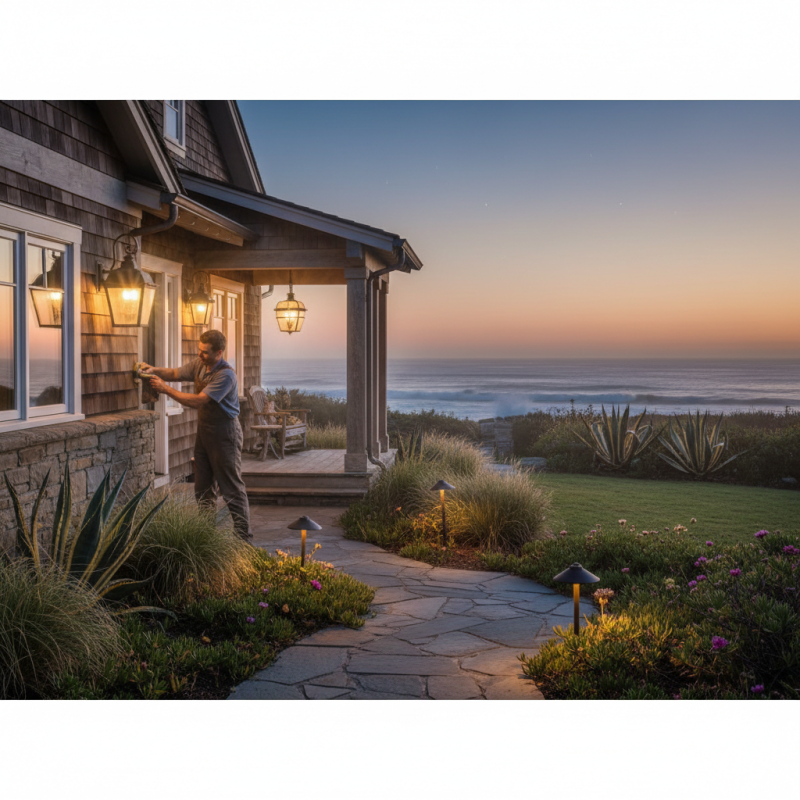
Top 10 Tips to Protect Outdoor Lights from Coastal Salt Spray?

Understanding Coastal Salt Spray and Its Effects on Outdoor Lighting

Coastal salt spray can significantly affect outdoor lighting fixtures. This salty mist, carried by the wind, contains tiny salt particles that can corrode metal and damage components. According to industry reports, over 70% of outdoor lighting installations along coastlines face reduced lifespan due to salt-related issues.

The primary risk is corrosion on parts such as fixtures, wires, and connectors. A study shows that galvanized or stainless materials can extend the lifespan of outdoor lights by up to 50%. However, even durable materials require proper maintenance. Regular cleaning can help remove salt buildup, which can become a persistent problem if ignored.

Salt spray may also affect the efficiency of the lighting. Dimming or flickering lights can occur as the internal components degrade. It is crucial to monitor these changes and consult professionals for suitable replacements. Innovative designs are being explored to enhance resistance against salty environments. However, finding solutions is a continuous process requiring attention and investment.

Top 10 Tips to Protect Outdoor Lights from Coastal Salt Spray

Tip Description Effectiveness
Use Corrosion-Resistant Materials Utilize lights made of non-corrosive materials such as stainless steel or plastic. High
Regular Cleaning Clean fixtures regularly to remove salt build-up and prolong lifespan. Medium
Apply Protective Coatings Use marine-grade paints or coatings to add an extra layer of protection. High
Seal Joints and Connections Ensure all electrical connections are properly sealed to prevent corrosion. High
Install Shielding Use protective shields or barriers to block direct exposure to salt spray. Medium
Choose the Right Location Position lights strategically away from direct coastal winds and sprays. Medium
Check Electrical Insulation Inspect and maintain electrical wiring to prevent salt-induced faults. High
Use Quality Bulbs Select waterproof and durable bulbs designed for harsh environments. High
Consult with Professionals Seek advice from lighting experts for the best coastal solutions. Medium
Invest in Quality Fixtures Purchase lights designed specifically for coastal applications. High

Choosing the Right Materials for Coastal Outdoor Lights

When choosing materials for coastal outdoor lights, corrosion resistance is key. The salty air and moisture can damage standard fixtures quickly. Opt for materials like marine-grade stainless steel, which resists rust. Aluminum with a powder-coated finish also offers durability against the elements. These materials stand strong in harsh coastal environments.

Consider using tempered glass for the light covers. It withstands impacts and resists hazing from salt spray. Clear acrylic is another option, but it may not last as long. Any choice should prioritize visibility and protection. Ensure a tight seal around bulbs to keep moisture out.

Here are some tips to enhance protection for your lights. Regular cleaning is essential. Remove salt deposits to prevent buildup. A protective coating can also create a barrier against salt. For install locations, mount fixtures at higher positions to avoid water splash. Use sealed connections to guard against leaks. Coastal areas demand extra care, but with the right materials and maintenance, your outdoor lights can thrive.

Top 10 Tips to Protect Outdoor Lights from Coastal Salt Spray

Implementing Protective Coatings and Finishes

Coastal environments can quickly corrode outdoor lights. Salt spray from the ocean wreaks havoc on metal and finishes. Applying protective coatings can significantly extend their life. A good choice is a marine-grade finish. This type of coating resists corrosion and damage. It’s designed for harsh conditions. When applying, make sure the surface is clean and dry.

Consider using a multi-layer approach. Start with a rust-inhibiting primer. Then, follow up with a high-quality topcoat. This two-step method provides extra protection against salt and moisture. Another option is to use vinyl or powder coatings. These finishes create a barrier that prevents salt from reaching the underlying material.

Regular maintenance is key. Even with protective coatings, wear and tear can happen. Inspect your outdoor lights periodically for signs of damage. Touch up any scratched areas promptly. This helps maintain the integrity of the protective layer. Sometimes, the coatings may need reapplication. Being proactive can save costly replacements later.

Regular Maintenance and Cleaning Practices for Salt Resistance

Coastal salt spray can be harsh on outdoor lights. Regular maintenance is crucial for their longevity. Start with a routine cleaning. Use a soft cloth and fresh water. This will help remove salt deposits and prevent corrosion. Inspections are vital too. Check for any signs of wear or damage, especially around seals and connections.

Consider applying a protective coating to your lights. This can act as a barrier against salt. Many professionals recommend this step, especially for coastal areas. However, remember that not all coatings work the same. Testing a small area first might be wise.

Storing lights properly during storms can also extend their life. If winds pick up, take them down. It’s sometimes annoying, but it prevents potential damage. Remember to document your maintenance schedule. This creates a reliable record of care and helps you see the patterns in your upkeep routine. What works today may need adjustments tomorrow.

Strategically Positioning Lights to Minimize Salt Exposure

When installing outdoor lights in coastal areas, positioning them strategically is crucial. Choose locations shielded from direct ocean winds. A well-placed hedge or wall can significantly reduce salt exposure. Consider the terrain. Elevated spots may face stronger salt spray, while lower areas might offer protection.

Mounting lights on structures can help. For example, placing fixtures under eaves can guard them from harsh conditions. The angle of light also matters. Directing the beams away from incoming winds can minimize salt settling. Local weather patterns offer insight too. Understanding seasonal changes helps in refining your positions.

Regular maintenance is key for coastal lights. Inspect regularly for salt buildup. This helps in preventing corrosion. Using protective coatings is beneficial. However, even the best techniques might not be foolproof. It’s essential to remain adaptable and make adjustments as conditions change. Finding the ideal spot may require a bit of trial and error. Embrace the learning process. Each adjustment leads to a better understanding of your environment.

FAQS

: What is coastal salt spray?

: Coastal salt spray is a salty mist from the ocean. It carries tiny salt particles that can corrode outdoor fixtures.

How does salt spray affect outdoor lighting?

Salt spray can corrode metal parts, reducing the lifespan of lighting fixtures significantly. Over 70% face salt-related damage.

What materials are best for coastal outdoor lights?

Marine-grade stainless steel and powder-coated aluminum resist rust. They perform well in harsh coastal environments.

How should I maintain outdoor lights in coastal areas?

Regular cleaning is essential. Use a soft cloth and fresh water to remove salt deposits. Inspect for wear regularly.

Why is regular maintenance important?

It prevents corrosion and extends the lifespan of outdoor lights. Ignoring maintenance can lead to more significant issues.

Should I protect my lights during storms?

Yes, storing lights properly during storms can prevent damage. It may be inconvenient but is critical for longevity.

How can I enhance protection against salt?

Consider applying a protective coating. Ensure a tight seal around bulbs and use sealed connections to guard against leaks.

What should I do if my lights start flickering?

Flickering often indicates internal damage. Monitor the changes and consult professionals about suitable replacements.

Is there an ideal placement for outdoor lights?

Mount fixtures higher to avoid water splash. This positioning can help reduce damage from salt and moisture.

Can I use acrylic for light covers?

Clear acrylic is an option, but it may not be as durable as tempered glass, which better withstands impacts and hazing.

Conclusion

Coastal environments can be beautiful but pose significant challenges for outdoor lighting due to salt spray. To answer the question of **how to protect outdoor lights from salt spray in coastal areas**, it’s essential to understand the effects of coastal salt spray on materials. Choosing the right materials, such as stainless steel or marine-grade fixtures, can significantly enhance durability against corrosion. Additionally, implementing protective coatings and finishes can provide an extra layer of defense, helping to extend the lifespan of outdoor lights.

Regular maintenance and cleaning practices are vital in ensuring salt resistance, as accumulated salt can deteriorate fixtures over time. Furthermore, strategically positioning lights away from direct salt exposure can mitigate damage. By following these tips, homeowners can effectively safeguard their outdoor lighting and maintain its functionality and aesthetic appeal in coastal settings.

Mason

Mason

Mason is a seasoned marketing professional with a deep expertise in the company's offerings and a passion for driving brand awareness. With a strong background in digital marketing strategies, he has an innate ability to connect with diverse audiences and effectively communicate product benefits.......