Addressing the question, "Why is my solar garden light not working at night?" can be frustrating for many garden enthusiasts. According to Dr. Emily Harrison, a solar energy expert, "Understanding the components of your solar garden light can help diagnose nighttime failures." She emphasizes the importance of identifying potential issues to restore functionality.
Several factors might cause your solar garden light to fail after dark. One common reason is inadequate sunlight during the day. If your light does not receive enough sun, the battery may not charge properly. Additionally, dirt or debris on the solar panel can block sunlight. Regular maintenance is crucial for optimal performance.
Batteries also play a vital role in functionality. Over time, they may lose their ability to hold a charge. If the light flickers or dims, replacing the battery may be necessary. Another aspect to consider is the placement of your solar light. A location with too much shade can hinder proper operation. Reflecting on these issues can lead you to the solution you need.
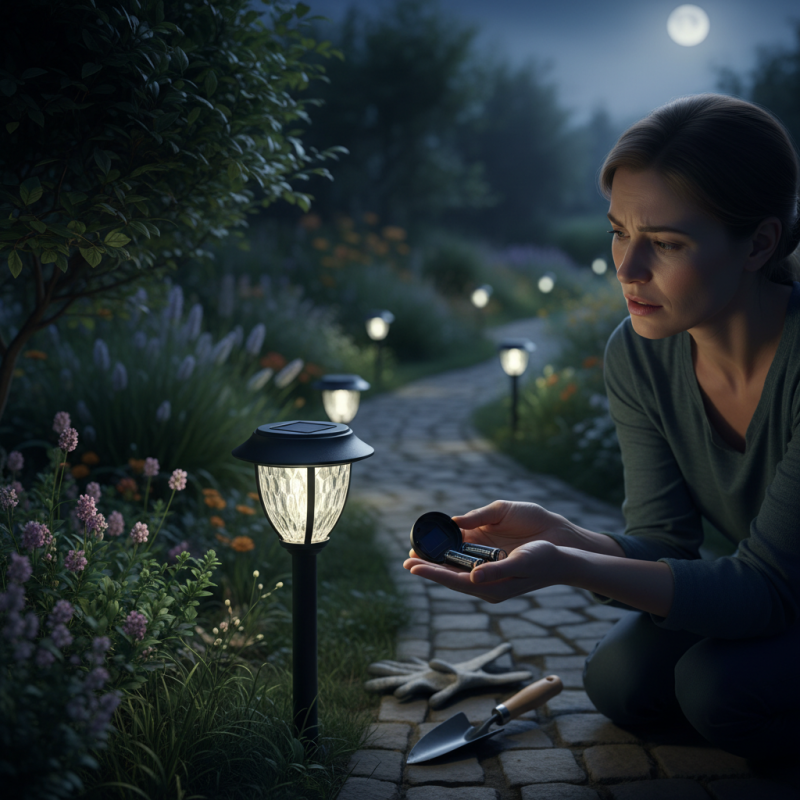
Solar garden lights are a beautiful addition to any outdoor space. However, many users face issues with their lights not working at night. Identifying common problems can help restore their function.
One main reason your solar garden light might not work is inadequate sunlight exposure. These lights rely on solar panels to charge. If placed in shaded areas, they may not collect enough energy. Additionally, dirt or debris on the solar panel can block sunlight. Regular cleaning can make a significant difference.
Another common issue is battery failure. Over time, rechargeable batteries lose their ability to hold a charge. If your lights flicker or are dim, consider replacing the batteries. A misconfigured timer can also lead to malfunctioning. Ensure your lights are set to operate at night only. Sometimes, the light sensor can fail, leading to an improper operation. Testing these elements can improve functionality.
Proper solar panel positioning is crucial for the effective functioning of solar garden lights. If the panels are not placed to maximize sunlight exposure, the lights may not charge adequately during the day. For instance, if the panels are shaded by trees or buildings, they will receive less sunlight. This poor exposure reduces the energy stored for nighttime use.
Setting the angle of the solar panels is also essential. A flat angle may not capture sunlight effectively. Tilt them towards the sun’s path to enhance energy efficiency. However, over-tilting can create other issues, such as rain accumulation or snow cover, blocking the light's exposure. Regular adjustments can help mitigate these challenges.
Always consider the location and season. Different seasons provide varying sunlight intensity and duration. Positioning your solar lights in an area with year-round sun ensures consistent performance. Evaluating these factors can lead to better functionality. Reflecting on your setup will ultimately enhance the overall performance of solar garden lights.
Battery performance plays a crucial role in the operation of solar garden lights at night. When the sun sets, these lights rely on stored energy to provide illumination. If the batteries are old or damaged, their capacity diminishes. This results in dim or nonexistent light during the night.
Weather can also affect battery performance. Extreme temperatures, both hot and cold, can reduce battery efficiency. For instance, excessive heat can cause battery fluid to evaporate, leading to a loss of charge. On the other hand, frigid temperatures often lead to sluggish performance. Regularly checking the battery condition is essential to avoid nighttime failures.
Sometimes, users overlook the importance of proper installation. Improper positioning of solar panels can limit sunlight absorption. If the panels are shaded by trees or structures, they won’t charge effectively. It’s important to evaluate panel placement to ensure maximum exposure. Neglecting this can result in energy deficits, leaving your garden lights ineffective when it matters most.
| Reason | Description | Impact on Performance |
|---|---|---|
| Dirty Solar Panel | Dust and debris block sunlight, reducing charge. | Low; lights may not turn on or shine dimly. |
| Battery Aging | Over time, batteries lose capacity and efficiency. | High; affects duration and brightness. |
| Insufficient Sunlight | Inadequate sunlight exposure leads to low battery charge. | High; lights may not turn on at night. |
| Faulty Wiring | Damaged or loose connections disrupt power flow. | Critical; lights may not function at all. |
| Defective Light Sensor | Malfunctioning sensors fail to detect darkness. | High; could keep lights off at night. |
| Temperature Extremes | High heat or cold can impair battery function. | Moderate; may reduce efficiency. |
| Poor Quality Batteries | Using inferior batteries leads to short life. | High; will not hold charge effectively. |
| Overcharging | Excess sun exposure can damage the battery. | Critical; can reduce battery lifespan. |
| Electrical Short | Short circuits can prevent light activation. | Critical; lights will not turn on. |
| Design Flaws | Inherent design issues can affect performance. | Moderate; can lead to poor light output. |
Weather conditions play a significant role in the performance of solar garden lights. During cloudy or rainy days, these lights may not collect enough solar energy. This reduced exposure to sunlight leads to diminished battery charge. Accordingly, you might notice that your lights struggle to illuminate at night. Even a brief cloud cover can impact their efficiency, especially in the winter months.
Temperature can also influence solar light performance. Very cold temperatures may affect battery longevity, causing them to deplete faster. High temperatures can lead to overheating, which might damage the internal components. It's crucial to position your solar lights thoughtfully. Make sure they receive direct sunlight during peak hours. Avoid placing them under dense tree canopies or near structures that can cast shadows. Assessing your garden layout regularly can ensure optimal performance, but sometimes it may not be enough to prevent issues.
Solar garden lights can enhance the beauty of your outdoor space. However, they often fail to operate at night. Regular maintenance is key to ensuring optimal functionality. Start by checking the solar panels for dirt or debris. Even a thin layer of dust can obstruct sunlight. Clean the panels with a soft cloth to maximize charging efficiency.
Battery health is another crucial aspect. Most solar lights rely on rechargeable batteries. Over time, these batteries can degrade. Replace them if you notice that your lights are dim or fail to turn on after sunset. It’s also important to ensure that the lights are positioned correctly. Trees or buildings can cast shadows, limiting exposure to sunlight, and thereby affecting performance.
Seasonal changes may also play a role in the lights’ effectiveness. Winter months can bring shorter days and lower levels of sunlight. Adapting your care routine can make a big difference. Consider relocating lights to sunnier spots as seasons change. Practicing these maintenance tips can lead to brighter, more reliable solar lights for your garden.
: Battery performance is crucial. Old or damaged batteries can lead to dim or no light.
Extreme temperatures can reduce battery efficiency, impacting charging and overall performance.
Check the solar panel placement. Ensure they are not shaded by trees or structures.
Regularly clean the solar panels to remove dust and debris that block sunlight.
It's essential to check batteries regularly to avoid nighttime failures due to degradation.
Yes, winter brings shorter days and less sunlight, which can diminish performance.
Improper positioning can limit sunlight absorption, leading to insufficient energy for lighting.
Consider relocating them as seasons change to ensure they receive maximum sunlight.
If the lights are dim or do not turn on after sunset, it may be time to replace batteries.
Regular assessment helps identify obstacles that could block sunlight and affect light performance.
If you're wondering, "Why is my solar garden light not working at night?", there are several common reasons to consider. First, the positioning of the solar panel is crucial; if it's not exposed to adequate sunlight during the day, the battery won't charge effectively. Additionally, the performance of the battery itself can significantly impact the light's operation at night. Poor battery health may lead to insufficient power for illumination.
Weather conditions, such as cloudy days or heavy rain, can also hamper the efficiency of solar lights. To ensure your solar garden lights function optimally, regular maintenance is essential. This includes cleaning the solar panels to maximize light absorption and checking battery conditions to replace them when necessary. Understanding these factors can help you troubleshoot and enjoy the benefits of your solar garden lighting throughout the night.

Rhynox Lighting