Top 5 Smart City Lighting Trends You Should Know?

Time:2026-05-25 Author:Sophia
0%

As cities evolve, so too do their lighting systems. The question arises: "What are the latest trends in smart city lighting?" Dr. Emily Chen, a renowned urban design expert, states, “Smart lighting is not just about illumination; it’s about creating vibrant, interactive environments.”

Cities are adopting adaptive lighting solutions. This technology allows streetlights to adjust based on real-time data. For instance, lights brighten in busy areas during peak hours and dim in quieter times. Such systems enhance safety while conserving energy.

Moreover, many cities are integrating IoT (Internet of Things) devices into their lighting infrastructure. This integration leads to improved maintenance and reduced costs. However, not all smart lighting projects succeed. Some face challenges, like high initial costs and technical issues. Engaging community input can help address these pitfalls. Investing in better, more reliable technology is crucial.
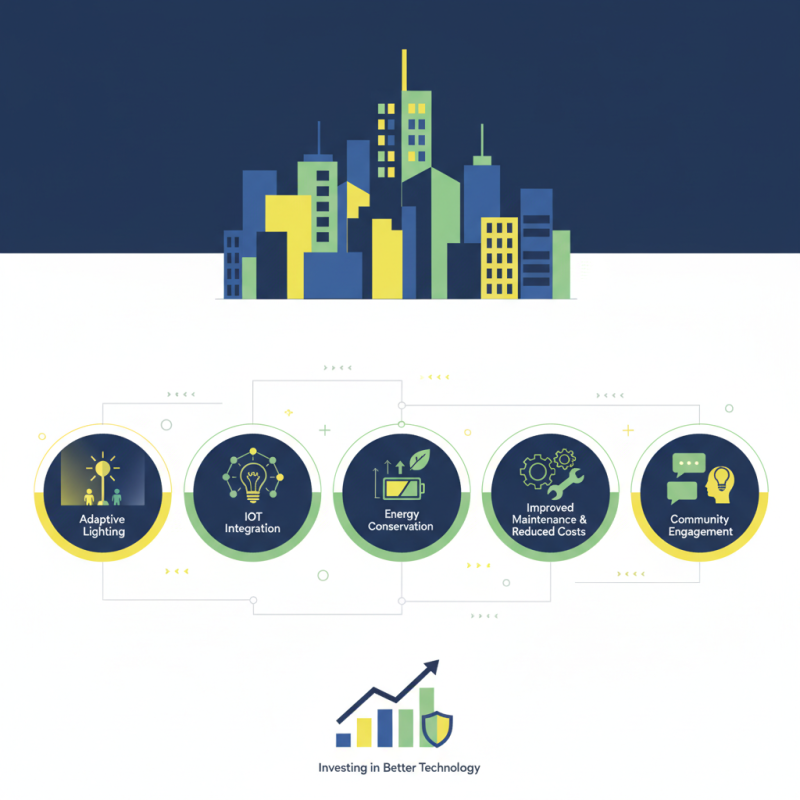
Top 5 Smart City Lighting Trends You Should Know?

Overview of Smart City Lighting and Its Importance

Smart city lighting plays a vital role in enhancing urban living. Effective lighting systems improve safety, reduce energy consumption, and support sustainability initiatives. Streets illuminated by smart lights encourage nighttime activities and enhance community connectivity. More than just visibility, smart lighting sets the mood and creates a welcoming atmosphere.

Tips: When considering smart lighting, think about adaptability. Systems that adjust based on real-time data are more efficient. Also, integrating sensors can optimize energy use and cut costs.

Implementing smart lighting requires careful planning. Municipalities must consider diverse community needs. Feedback loops are essential. Not everyone will agree on what works best. Gathering input can lead to better solutions.

Smart city lighting is not just about technology. It's about creating spaces that feel safe and inviting. Local communities should be involved in these conversations. This collaboration helps ensure lighting meets the needs of all citizens.

Emerging Technologies in Smart City Lighting Solutions

Emerging technologies are revolutionizing smart city lighting solutions. Light-emitting diode (LED) technology plays a pivotal role. LEDs are not only energy-efficient but also offer longevity. This reduces maintenance costs and environmental impact significantly. Many municipalities are shifting to smart LED systems, allowing for real-time brightness adjustments based on natural light levels.

Another innovative approach is the integration of Internet of Things (IoT) devices. These sensors enable cities to monitor energy usage and street conditions dynamically. However, reliance on technology raises concerns. Data privacy issues and system vulnerabilities must be addressed. These challenges remind us of the balance needed between innovation and security.

Additionally, adaptive lighting systems are gaining attention. These systems adjust lighting based on pedestrian movement and vehicular traffic. This results in energy savings and enhances public safety. Yet, striking the right balance remains complex. Not all cities are equipped to implement these advanced solutions uniformly. Continuous dialogue among stakeholders is essential as cities navigate these emerging trends.

Sustainability Practices in Smart City Lighting Initiatives

Sustainability is at the forefront of smart city lighting initiatives. Cities are adopting energy-efficient technologies to reduce their carbon footprint. LED lights are becoming common, using less energy and lasting longer than traditional bulbs. This shift helps municipalities save on energy costs and maintenance expenses.

Smart lighting systems also incorporate sensors. These sensors can adjust brightness based on real-time data. For example, lights can dim when streets are empty. This not only saves energy but also enhances public safety by maintaining adequate lighting when needed. However, this technology raises questions about data privacy and security.

The integration of renewable energy sources is another important trend. Some cities are exploring solar-powered streetlights. While this innovation is promising, it requires careful evaluation of initial costs and long-term efficiency. Balancing innovation with practical implementation remains a challenge. As urban areas evolve, continuous reflection on these strategies can lead to more sustainable practices in smart city lighting.

The Role of Data and Analytics in Optimizing City Lighting

Data and analytics play a crucial role in optimizing city lighting. Cities collect vast amounts of information from various sources. These data points include traffic patterns, pedestrian movement, and environmental conditions. By analyzing this information, city planners can determine where light is needed most. This targeted approach enhances safety and reduces energy waste.

Smart lighting systems adjust based on real-time data. For example, sensors can detect when a street is empty and dim the lights accordingly. This not only saves energy but also allows potential cost reductions. However, the reliance on data raises questions about privacy. Are we comfortable with how our movements are tracked?

Integrating analytics into city lighting can lead to innovative solutions. Cities can create dynamic lighting that responds to specific needs. For instance, brighter lights may be needed during events or emergencies. Yet, there's a challenge in balancing technology with human experience. As cities evolve, so must our understanding of these systems. There’s plenty of room for improvement in this area.

Smart City Lighting Trends: Data-Driven Insights

Future Innovations and Trends Shaping Smart City Lighting

Smart city lighting is evolving rapidly. Innovations are emerging to improve urban life. As cities adopt smart technologies, the focus on energy efficiency, sustainability, and user experience rises.

One trend is the integration of IoT devices. These devices enhance data collection for better decision-making. Cities can monitor real-time usage patterns. This leads to optimized energy consumption. However, the reliance on technology raises questions. Can cities ensure data privacy while maximizing benefits?

Another key trend involves adaptive lighting systems. These systems adjust brightness based on environmental conditions. For instance, they become brighter in busy areas at night. But this flexibility sparks debates on light pollution. Balancing urban brightness and wildlife safety remains a challenge. As cities embrace these innovations, they must navigate potential pitfalls.

Top 5 Smart City Lighting Trends You Should Know

Trend Description Impact Implementation Stage
Smart Sensors Integration of sensors to adjust lighting based on environmental conditions. Enhances energy efficiency and extends equipment lifespan. Pilot Testing
IoT Connectivity Connecting street lights to the Internet for remote monitoring and control. Improves maintenance response times and operational efficiency. Implementation
Adaptive Lighting Adjusting brightness based on pedestrian and vehicle presence. Enhances public safety while reducing energy consumption. Testing in Select Areas
Solar-Powered Lights Utilization of solar panels for outdoor lighting solutions. Reduces energy costs and reliance on the grid. Widely Adopted
Human-Centric Lighting Lighting designed to improve mood and productivity using specific color temperatures. Enhances the urban experience and promotes well-being. Research and Development

FAQS

: What are smart city lighting initiatives focused on?

: They focus on sustainability and energy efficiency to reduce carbon footprints.

How do LED lights benefit cities?

LED lights consume less energy and last longer than traditional bulbs, saving on costs.

What role do sensors play in smart lighting systems?

Sensors adjust brightness based on real-time data, enhancing energy savings and public safety.

How do renewable energy sources impact street lighting?

Solar-powered streetlights offer promise but require evaluations of costs and long-term efficiency.

What data is used to optimize city lighting?

Cities collect data on traffic patterns, pedestrian movement, and environmental conditions.

How can smart lighting improve safety?

Targeted lighting enhances safety in specific areas by providing adequate illumination when needed.

What concerns arise from relying on data for lighting?

Privacy issues emerge regarding how movements and data are tracked by these systems.

What is the significance of adaptive lighting systems?

They adjust brightness according to conditions, yet raise concerns about light pollution.

How do IoT devices contribute to city lighting?

IoT devices enhance data collection, leading to optimized energy consumption and informed decisions.

What ongoing challenges are there in smart city lighting?

Balancing innovation with human experience and ensuring data privacy are critical ongoing concerns.

Conclusion

Smart city lighting is evolving rapidly, driven by the need for cities to enhance safety, efficiency, and sustainability. Understanding what are the latest trends in smart city lighting reveals several key areas of focus. Emerging technologies such as LED lighting and IoT integration are transforming urban landscapes, allowing for intelligent systems that adjust brightness based on real-time data. Sustainability practices are becoming imperative, with initiatives aimed at reducing energy consumption and carbon footprints.

Additionally, the role of data and analytics is crucial in optimizing lighting strategies, providing insights that help governments make informed decisions on infrastructure investments. Future innovations are expected to further shape smart city lighting, emphasizing user-centric design and enhanced connectivity. By adopting these trends, cities can create safer and more sustainable environments for their residents.

Sophia

Sophia

Sophia is a dedicated marketing professional with an exceptional depth of knowledge about her company's products and services. With a keen understanding of market trends and customer needs, she crafts insightful blog posts that not only inform but also engage readers, enriching the company’s online......