As urban areas expand, sustainable landscape lighting becomes crucial. According to the Illuminating Engineering Society, outdoor lighting accounts for up to 30% of a municipality's energy use. Therefore, understanding "How to design a sustainable landscape lighting plan?" is essential for reducing energy consumption and enhancing outdoor spaces. Expert John Smith, a leading figure in sustainable design, states, “Thoughtful lighting can drastically cut energy waste while enhancing landscapes.”
Sustainable landscape lighting not only improves aesthetics but also ensures ecological balance. It supports local wildlife by minimizing light pollution, which disrupts natural behaviors. The National Park Service reports that artificial light can significantly affect species like birds and insects. Designers must be aware of these impacts when developing their plans.
Many landscape lighting designs fail to consider energy efficiency. Overly bright fixtures can create harsh environments, affecting the quality of life. An effective lighting design utilizes dimmers, timers, and energy-efficient LED bulbs to provide functionality while maintaining ecological integrity. Crafting a sustainable plan requires an ongoing commitment to reduce light pollution and energy usage, posing both opportunities and challenges for landscape professionals.
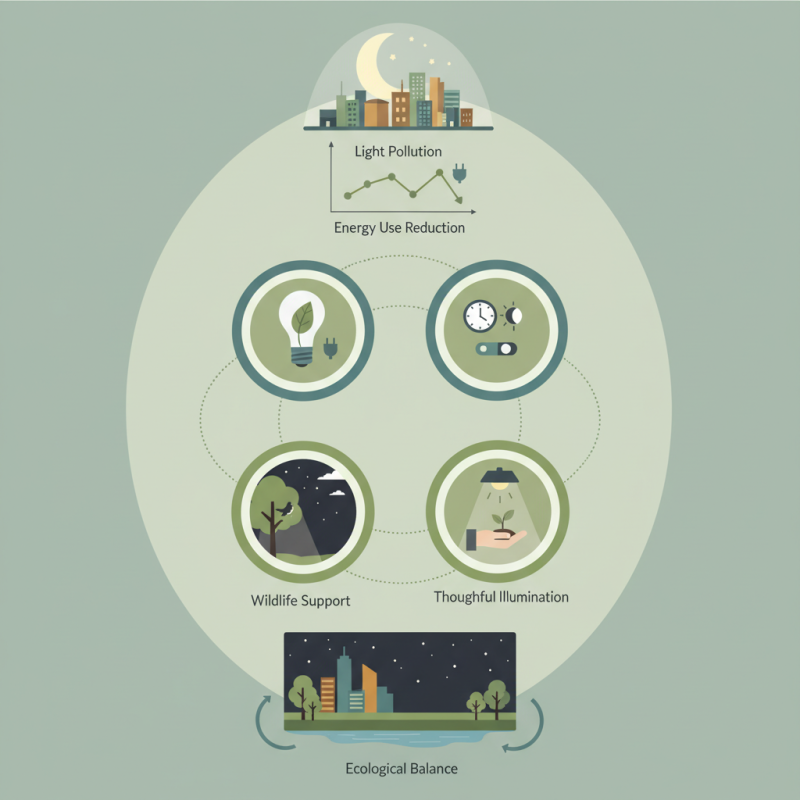
Sustainable landscape lighting is about balance. It's not just about illuminating spaces but protecting the environment. The key principles focus on efficiency, safety, and ecological responsibility.
When designing a lighting plan, choose energy-efficient LEDs. They consume less power and last longer than traditional bulbs. This small change reduces your carbon footprint. Additionally, fixtures should be strategically placed to minimize light pollution. Avoid directing light up into the sky. Instead, aim for downward lighting to enhance safety without affecting wildlife.
Consider using timers and sensors. These tools can help reduce energy consumption. For instance, motion sensors can ensure lights are only on when needed. Reflect on the impact of your choices. Sometimes, less is more. A well-placed light can create a warm atmosphere while preserving the natural darkness of the night.
| Tip | Description | Benefits |
|---|---|---|
| Use LED Lights | LEDs consume less energy and have a longer lifespan compared to traditional bulbs. | Reduced energy consumption and lower maintenance costs. |
| Incorporate Solar Lighting | Solar lights harness energy from the sun, reducing reliance on the grid. | Minimal operational cost and eco-friendly energy source. |
| Use Timers and Sensors | Automate lighting to turn on/off based on ambient light conditions. | Efficiency in energy use and enhanced convenience. |
| Choose the Right Fixture | Select fixtures that minimize light pollution and glare. | Improved aesthetics and protection of nocturnal wildlife. |
| Plan for Biodiversity | Design lighting to support local ecosystems and wildlife. | Maintain ecological balance and promote a healthy environment. |
| Regular Maintenance | Scheduled checks to ensure all lighting equipment is working efficiently. | Increased longevity of lighting systems and continued energy efficiency. |
: They optimize energy use, enhance aesthetics, and reduce electricity bills significantly.
LED lighting can reduce energy consumption by up to 75% compared to incandescent bulbs.
Smart controls ensure lights operate only when necessary, promoting sustainability and convenience.
Many users oversize components or misplace lighting fixtures, impacting functionality.
They harness sunlight, reducing dependence on traditional energy sources.
Motion sensors activate lights only when someone is present, enhancing energy efficiency.
Regularly clean fixtures and check the system for efficiency improvements.
Yes, some systems change brightness based on moonlight and weather conditions.
A thoughtful approach helps balance aesthetic appeal with functionality for better results.
They should always look for new methods to implement environmentally friendly practices.
Creating a sustainable landscape lighting plan involves several key principles that prioritize environmental responsibility. First, understanding the principles of sustainable landscape lighting is essential, focusing on maximizing efficiency while minimizing ecological impact. Next, it’s important to assess your landscape's unique lighting needs, which helps identify the best approach to illuminate various areas effectively without excessive energy use.
Choosing energy-efficient lighting options is a crucial step, as it significantly reduces power consumption and operational costs. Integrating smart technology can further enhance control over lighting systems, allowing for adjustments based on real-time needs. Finally, implementing environmentally friendly installation practices ensures that the overall process contributes positively to the landscape. Thus, anyone wondering how to design a sustainable landscape lighting plan can follow these guidelines to create an effective and eco-friendly outdoor lighting solution.

 Rhynox Lighting