When faced with the issue of "Why is my solar garden light not working at night?", many homeowners feel frustration. According to a recent report by the Solar Energy Industries Association, roughly 40% of users encounter performance issues with outdoor solar lighting. These problems can arise from various factors including battery failure, insufficient sunlight exposure, or poor placement.
Expert Sam Reynolds, a solar energy consultant, emphasizes, “The effectiveness of solar lights heavily relies on consistent charging.” This highlights the importance of proper installation and maintenance. Neglecting these aspects can lead to disappointing results, especially in regions with less sunlight. Consider this: your garden light relies on technology that harnesses sunlight during the day to function at night. A small oversight can render it ineffective.
Understanding the core reasons behind malfunctioning solar lights helps in implementing effective solutions. It's essential to explore the potential pitfalls and rectify them, ensuring your solar garden light illuminates your outdoor space effectively when darkness falls.
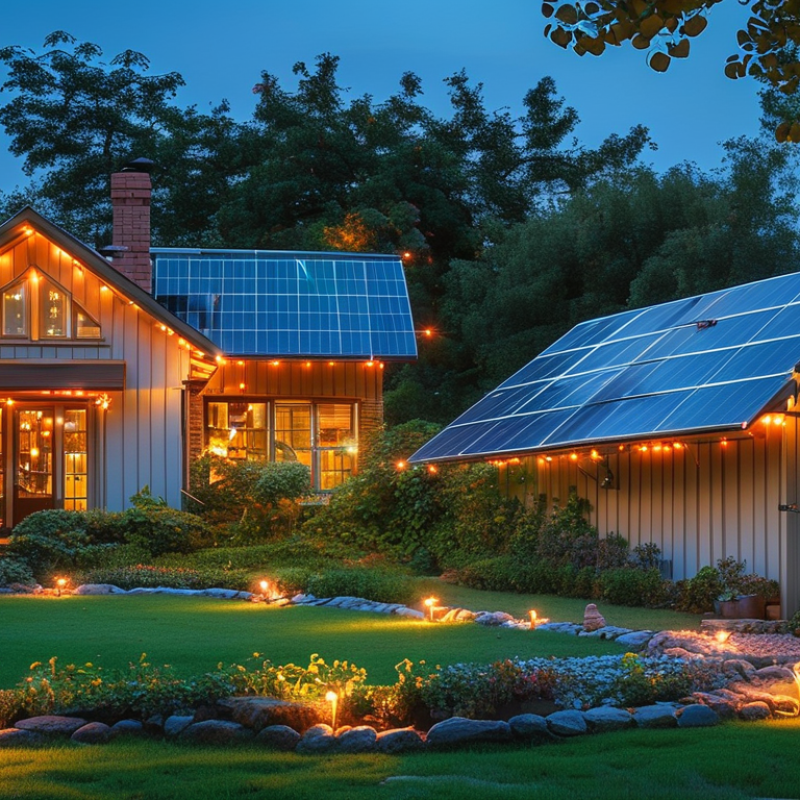
Solar garden lights operate using the energy harnessed from sunlight during the day. They typically consist of solar panels, batteries, and LED lights. The solar panels absorb sunlight and convert it into electricity. This electricity charges the batteries, which later power the lights at night. Understanding this fundamental process is crucial when troubleshooting issues.
A common problem arises when the lights fail to illuminate. Often, this may be due to insufficient sunlight exposure. If your lights are placed in shaded areas, they cannot gather enough energy. Additionally, dirty solar panels can block sunlight absorption. It's also possible that the batteries are old or malfunctioning. Regular maintenance, like cleaning the panels, is essential to keep them working efficiently.
Some users may overlook the importance of placement. Positioning lights near reflective surfaces can enhance their effectiveness, while poor angles can lead to inadequate charging. Moreover, it's essential to check if the light settings are configured correctly. Automatic features can sometimes malfunction, leading to unwanted results. Recognizing these nuances can lead to a better understanding of solar garden lights and improve their performance.
| Issue | Possible Cause | Solution |
|---|---|---|
| Not Turning On | Daytime Light Exposure | Move light to a sunnier location |
| Dim Light Output | Weak Battery | Replace or recharge the battery |
| Flickering Light | Bad Connection | Check and secure all connections |
| No Response | Blocked Solar Panel | Clean the solar panel area |
| Shorter Lighting Duration | Old Batteries | Replace batteries regularly |
| Weather Damage | Corrosion or Wear | Inspect and replace damaged parts |
| Inconsistent Performance | Inadequate Charging | Ensure direct sunlight exposure |
: Solar garden lights convert sunlight into electricity. They use solar panels to charge batteries during the day.
Insufficient sunlight exposure often leads to lights not illuminating. Dirty panels or old batteries may also cause problems.
Positioning the lights in shaded areas limits sunlight absorption. Reflective surfaces can enhance their effectiveness.
Regularly clean the solar panels. Ensure they receive 6-8 hours of sunlight and check battery performance regularly.
Consider replacements if the lights flicker or illuminate dimly. Battery life typically ranges from 1 to 3 years.
First, check panel cleanliness. Next, verify battery charge and inspect for faulty wiring or sensor malfunctions.
Battery age, solar panel condition, and LED quality significantly impact overall performance and reliability.
No, about 25% of solar products face performance issues within their first year. Quality and materials matter greatly.
Regular cleaning of panels and checking batteries can enhance performance. It’s crucial for optimal functionality.
Consider durability, materials, and warranties. High-quality options may offer better energy efficiency and longevity.
When faced with the question, "Why is my solar garden light not working at night?", it's essential to understand how these lights operate. Solar garden lights harness energy from sunlight during the day, storing it in rechargeable batteries for illumination at night. Common reasons for their malfunction at night include inadequate sunlight exposure, dirty solar panels, faulty batteries, or improper installation.
To troubleshoot these issues, one should check for obstructions that might block sunlight, clean the solar panels, and test or replace the batteries if necessary. Regular maintenance is crucial for optimal functionality, which involves cleaning the panels and ensuring components are in good condition. If problems persist even after troubleshooting, it may be time to consider replacing the solar garden lights to ensure a consistently bright garden ambiance.

 Rhynox Lighting