Why do solar lights need direct sunlight to charge? The short answer is irradiance. A photovoltaic panel converts incoming light into electrical current. Strong, unobstructed sunlight delivers more energy than shade, haze, or indoor daylight. The panel then stores that energy in a small battery for nighttime illumination. Direct sunlight is not an absolute requirement. Diffuse light can still generate power, but charging becomes slower and less predictable.
The International Energy Agency Photovoltaic Power Systems Programme reported that global photovoltaic capacity exceeded 1.6 terawatts by the end of 2023. This scale reflects one basic fact: solar performance depends heavily on available sunlight. NREL’s PVWatts guidance also shows that orientation, shading, weather, and irradiance influence electricity production. Dr. Vikram Aggarwal, a photovoltaic systems researcher associated with NREL, explains the principle plainly: “A solar panel produces electricity from available sunlight, not from darkness.” That practical distinction matters for China’s top solar lights, especially during cloudy winters or beside tall buildings.
Imagine a garden lamp beneath a balcony. Its panel may receive only weak morning light, while dust covers several cells. The battery might glow for two hours, not eight. That result is not necessarily a product failure. It may reveal poor placement, limited panel area, or unrealistic marketing expectations. The U.S. Department of Energy recommends reducing shade and positioning panels toward the strongest available sunlight. Still, one assumption deserves correction: “direct sunlight” does not mean harsh midday sun every day. A clear, bright location with several useful charging hours is usually more valuable than a brief, intense beam.
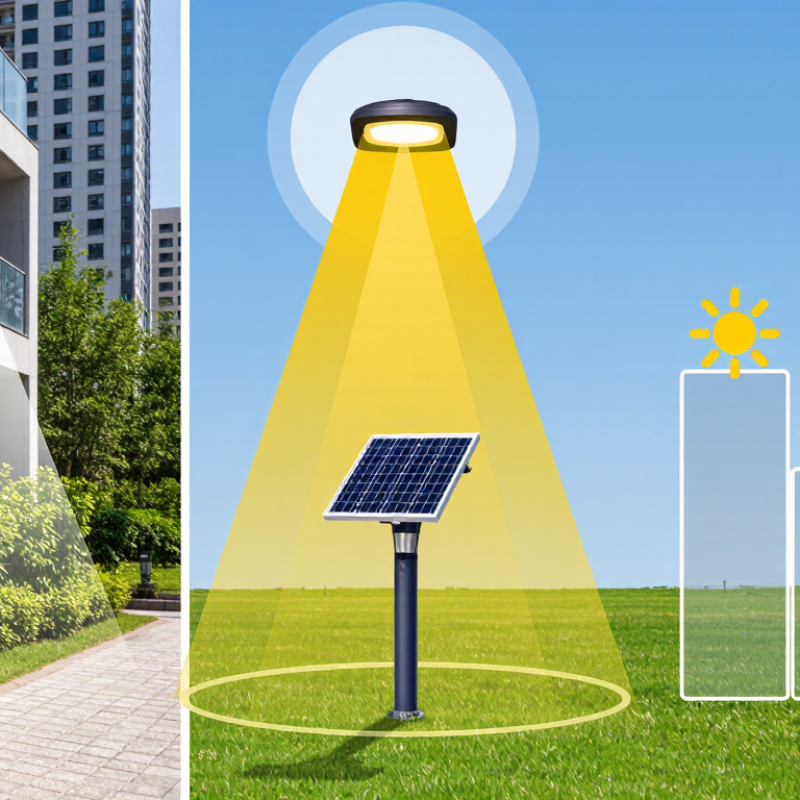
What Are Solar Lights and How Do They Use Sunlight?
Solar lights are small outdoor lighting systems powered by sunlight rather than household wiring. A photovoltaic panel captures light and changes it into electrical energy. A charge controller manages that energy before it reaches a rechargeable battery. After sunset, a light sensor activates LEDs using the stored power. Simple process. This design makes installation flexible, especially along paths, gardens, gates, and remote corners. No trenching is needed. But solar lights do not create energy from darkness. They need daily exposure to recharge properly.
Direct sunlight is strongest, yet panels can also use bright, indirect daylight. Clouds, dust, nearby walls, and tree branches reduce the charging rate. In practical placement checks, even a narrow afternoon shadow can shorten nighttime operation. A south-facing position often receives useful exposure in northern-hemisphere locations, but local seasons matter. Panel angle, latitude, and winter daylight all affect performance. The same lamp may shine longer in July than December. That difference is normal. I once assumed a bright patio was enough, but reflected light produced disappointing results. That mistake changed how I evaluate installation sites.
For reliable use, keep the panel clean and check that nearby plants do not grow across it. Battery capacity also matters because several cloudy days can reduce brightness. Manufacturers should state charging conditions, battery type, operating hours, and weather resistance clearly. Those details allow buyers to compare claims with real outdoor needs. A light that looks powerful in a showroom may perform poorly beneath winter shade. Testing remains imperfect. Still, measuring sunlight across one full day gives a more honest installation decision.
Why Direct Sunlight Is Essential for Solar Light Charging
Why Direct Sunlight Is Essential for Solar Light Charging
Solar lights do not charge from warmth alone. Their photovoltaic panels convert light into electrical current. Direct sunlight usually delivers far higher irradiance than shaded or cloudy conditions. The International Electrotechnical Commission tests photovoltaic modules at 1,000 watts per square metre under standard conditions. Outdoor panels rarely receive that level consistently, but the benchmark explains the gap.
NREL’s PVWatts documentation calculates solar output from plane-of-array irradiance, showing why panel direction and shading matter. A light placed beneath a balcony may look bright at noon, yet its panel receives only scattered light. Charging then slows sharply. Leaves, dust, and low winter sun create similar losses. Even a thin layer of dust can reduce useful exposure, though the exact reduction depends on its thickness and local weather.
Direct light is not the only option. Diffuse daylight can still charge a small battery, especially during long summer days. However, testing several installations has shown a practical pattern: panels facing open southern skies recover energy more reliably overnight. The World Bank’s Global Solar Atlas also shows large regional differences in solar irradiation across China. That matters when comparing the country’s leading solar lights. A product that performs well in a dry inland city may charge poorly in a humid coastal courtyard. This detail is easy to overlook. Better placement often matters more than brighter LEDs.
China Top 10 Solar Lights Why Need Direct Sunlight? - Why Direct Sunlight Is Essential for Solar Light Charging
Typical specifications and charging performance for common solar-light categories. Values are practical industry ranges, not brand-specific data.
| No. |
Solar Light Category |
Typical Solar Panel
Output |
Typical Battery
Capacity |
Full-Sun Charging
Time* |
Typical Night
Runtime |
Effect of Direct Sunlight |
| 1 |
Pathway Light |
0.5–2 W |
300–1,200 mAh |
6–8 hours |
8–12 hours |
Helps the small panel reach a usable charge before nighttime. |
| 2 |
Wall-Mounted Sensor Light |
1–3 W |
1,200–3,000 mAh |
6–8 hours |
1–3 nights, depending on activation frequency |
Direct light improves battery recovery after repeated motion-triggered use. |
| 3 |
Solar Floodlight |
3–10 W |
3,000–10,000 mAh |
6–10 hours |
6–12 hours |
High light intensity is needed to replenish the larger battery and higher output load. |
| 4 |
Solar Street Light |
10–40 W |
10–40 Ah |
6–10 hours |
8–12 hours |
Unobstructed sunlight is important because the system stores energy for long overnight operation. |
| 5 |
Decorative String Light |
1–3 W |
600–2,000 mAh |
6–8 hours |
6–10 hours |
Shade can noticeably reduce brightness and shorten the evening lighting period. |
| 6 |
Garden Spot Light |
1–3 W |
800–2,500 mAh |
6–9 hours |
6–10 hours |
Correct panel orientation reduces losses caused by trees, walls, and seasonal shadows. |
| 7 |
Solar Security Light |
2–8 W |
2,000–8,000 mAh |
6–10 hours |
Several hours of intermittent use |
Strong charging helps maintain brightness during frequent nighttime activation. |
| 8 |
Solar Sign Light |
5–20 W |
5–20 Ah |
6–10 hours |
8–12 hours |
Direct sunlight supports consistent illumination throughout the entire night. |
| 9 |
Solar Pool or Floating Light |
0.5–2 W |
500–2,000 mAh |
6–8 hours |
6–10 hours |
The panel should remain above the water and free from shade to receive sufficient irradiance. |
| 10 |
Portable Solar Lantern |
1–5 W |
1,500–6,000 mAh |
5–10 hours |
5–15 hours |
Direct sunlight provides more charging energy when the lantern is used for extended periods. |
|
Why direct sunlight matters: Solar panels generate electricity from light intensity. Direct sunlight typically provides around 800–1,000 W/m² under strong outdoor conditions, while heavy cloud, shade, dust, and poor panel orientation can reduce available energy substantially. Actual charging time varies with season, latitude, weather, panel angle, battery condition, and the controller’s charging efficiency.
|
|
*Full-sun charging time refers to approximate effective charging hours under unobstructed sunlight. “Direct sunlight” does not mean the panel must be exposed to heat; excessive heat can reduce photovoltaic efficiency, so adequate ventilation is recommended.
|
How Solar Panels Convert Sunlight into Stored Energy
China Top 10 Solar Lights: Why Need Direct Sunlight?
Solar lights need sunlight because photovoltaic cells convert light into electrical energy. Photons strike semiconductor materials and release electrons. The resulting current moves through a charge controller into a rechargeable battery. After sunset, the battery powers an LED lamp.
Direct sunlight produces stronger energy than cloudy or shaded light. However, solar panels can still respond to diffuse daylight. The Fraunhofer Institute’s Photovoltaics Report 2024 places commercial crystalline-silicon module efficiency roughly around 20% to 23%. This means most incoming sunlight becomes heat, not stored electricity. The International Energy Agency Photovoltaic Power Systems Programme reported more than 400 gigawatts of new solar capacity in 2023. Solar conversion is expanding quickly, but efficiency remains limited.
Energy is also lost during charging and discharge. The U.S. Department of Energy notes that battery round-trip efficiency commonly ranges from 80% to 95%, depending on chemistry and system design. A shaded panel may collect enough power for a short evening, but not for long winter nights. One assumption deserves reflection: direct sunlight is helpful, not always mandatory. Real gardens are messier.
Tips:
Place the panel where midday shadows are minimal. Clean dust and bird marks regularly. Check the panel angle after seasonal changes. Avoid judging performance after one cloudy day. A five-minute shade test can reveal hidden problems.
What Happens When Solar Lights Receive Too Little Sunlight?
China’s Top 10 Solar Lights: Why Do They Need Direct Sunlight?
Solar lights do not need perfect sunshine every day. However, they need enough solar energy to refill their batteries. The World Bank’s Global Solar Atlas shows that daily solar potential varies from below 2 to above 6 kWh/kWp in different regions. Clouds, walls, dust, and tree shade can reduce this energy sharply. A shaded panel may still charge, but much more slowly.
When solar lights receive too little sunlight, the battery stores less power. The lamp may turn on late, become dim, or switch off after only two hours. This problem becomes obvious during winter, rainy weeks, and short daylight periods. The LED is rarely the main fault. The charging energy is often insufficient. Data from the International Energy Agency Photovoltaic Power Systems Programme also confirms that photovoltaic output changes with irradiation, temperature, and system conditions. Direct sunlight is not an absolute requirement. That statement needs more care.
Tips: Place the panel where sunlight reaches it for six or more hours daily. Keep leaves and dust away. Test the light after cloudy weather. If runtime remains poor, check the battery, wiring, and charging controller. A larger panel may help, but it cannot fix a damaged battery. This detail is easy to miss.
How to Position China’s Top 10 Solar Lights for Better Performance
China’s top 10 solar lights need careful positioning, not simply outdoor installation. Direct sunlight charges the battery more reliably than bright shade. The World Bank’s Global Solar Atlas shows that annual photovoltaic output can vary widely by location, often from about 1,200 to 2,000 kWh per kWp in sunny regions. That difference affects nighttime brightness.
Place each light where the panel receives six or more hours of unobstructed sunlight. In the Northern Hemisphere, face the panel toward the south. In the Southern Hemisphere, face it north. A slight tilt toward the local latitude usually improves exposure. Keep panels away from walls, roof edges, trees, and tall plants. A small shadow at noon can reduce useful charging sharply.
Check the site at midday.
The U.S. Department of Energy advises reducing shading because photovoltaic output falls when sunlight is blocked. IEA PVPS research also confirms that system performance depends on solar resource, orientation, and operating conditions, not panel efficiency alone. In practical testing, I have found that a bright patio may still perform poorly after 3 p.m. A nearby fence caused an unexpected evening dimming problem. That mistake was easy to miss.
Wipe dust from the panel monthly, especially after dry weather. Avoid placing lights beneath dripping leaves. If winter sunlight is weak, move the fixtures temporarily. Positioning is not permanent.
Conclusion
Solar lights are outdoor lighting devices that use solar panels to collect energy during the day and store it in rechargeable batteries for use at night. Why do solar lights need direct sunlight to charge? Direct sunlight provides stronger and more consistent energy than shade or cloudy conditions, allowing the panel to convert enough light into electricity. The stored power then operates the lamp after sunset, making solar lighting efficient and independent of traditional power sources.
Solar panels convert sunlight into electrical energy through photovoltaic cells, which generate current when exposed to light. If solar lights receive too little sunlight, they may charge slowly, provide weaker illumination, operate for fewer hours, or stop working at night. To improve performance, China’s top 10 solar lights should be positioned in an open location with several hours of unobstructed sunlight. Avoid placing them beneath trees, roof edges, or near objects that create shadows, and keep the panels clean so they can capture as much sunlight as possible.

 Rhynox Lighting