Engineered to support Seychelles coastal parameters and urban walkway requirements
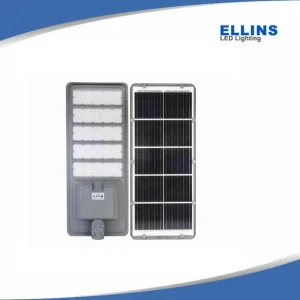
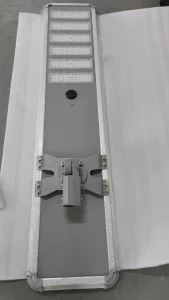
As an archipelago of legendary ecological value, Seychelles demands a delicate balance between modern tourist infrastructure and deep environmental protection. In places like Victoria, Beau Vallon, and Praslin Island, pedestrian paths serve not only local commuters but also high-end global tourism. Finding the correct lighting solutions represents a challenge of balancing clean solar energy adoption with protection against high saline, tropical atmospheric conditions.
Traditional outdoor luminaires fail prematurely due to C5-M (Very High Marine) corrosion categories. With constant relative humidity averages over 80% and high-ambient salt mist, municipal developers and luxury resort groups are shifting purchasing patterns to IP68 rating architectures, heavy-anodized aluminum alloys, and smart controller interfaces that conserve energy during off-peak periods while protecting local wildlife (dark-sky compliance).
| Parameters Required | Standard Solutions | Rhynox Coastal Grade Specifications |
|---|---|---|
| Corrosion Class | C3 to C4 Mild Steel | C5-M Heavy Marine Anodized Aluminum |
| Water Protection | IP65 Rating | IP66 / IP68 Continuous Waterproofing |
| Salt Spray Resistance | 144 hours testing | Exceeding 1000 hours ASTM B117 standards |
| Smart Power Saving | Manual / Static Timer | IoT integrated MPPT with motion profiling |
10+ Years of supply transparency, customized engineering, and rigorous physical testing
Every batch experiences 36 severe laboratory quality tests. This includes extreme thermal cycle chambers (-40℃ up to 85℃) and continuous 72-hour automated burn-in tests to guarantee total component durability before departure.
We provide complimentary professional lighting simulations using Dialux and AGI32 layout softwares. Project managers can preview correct lux levels, unified glare ratings (UGR), and optical distribution pattern curves prior to production.
Through our digital "One-Light-One-File" asset tracking program, clients enjoy instant component clarity. Supported by comprehensive civil liability and product execution insurance policies for maximum procurement safety.
Every step in our China manufacturing center is certified for premium output execution
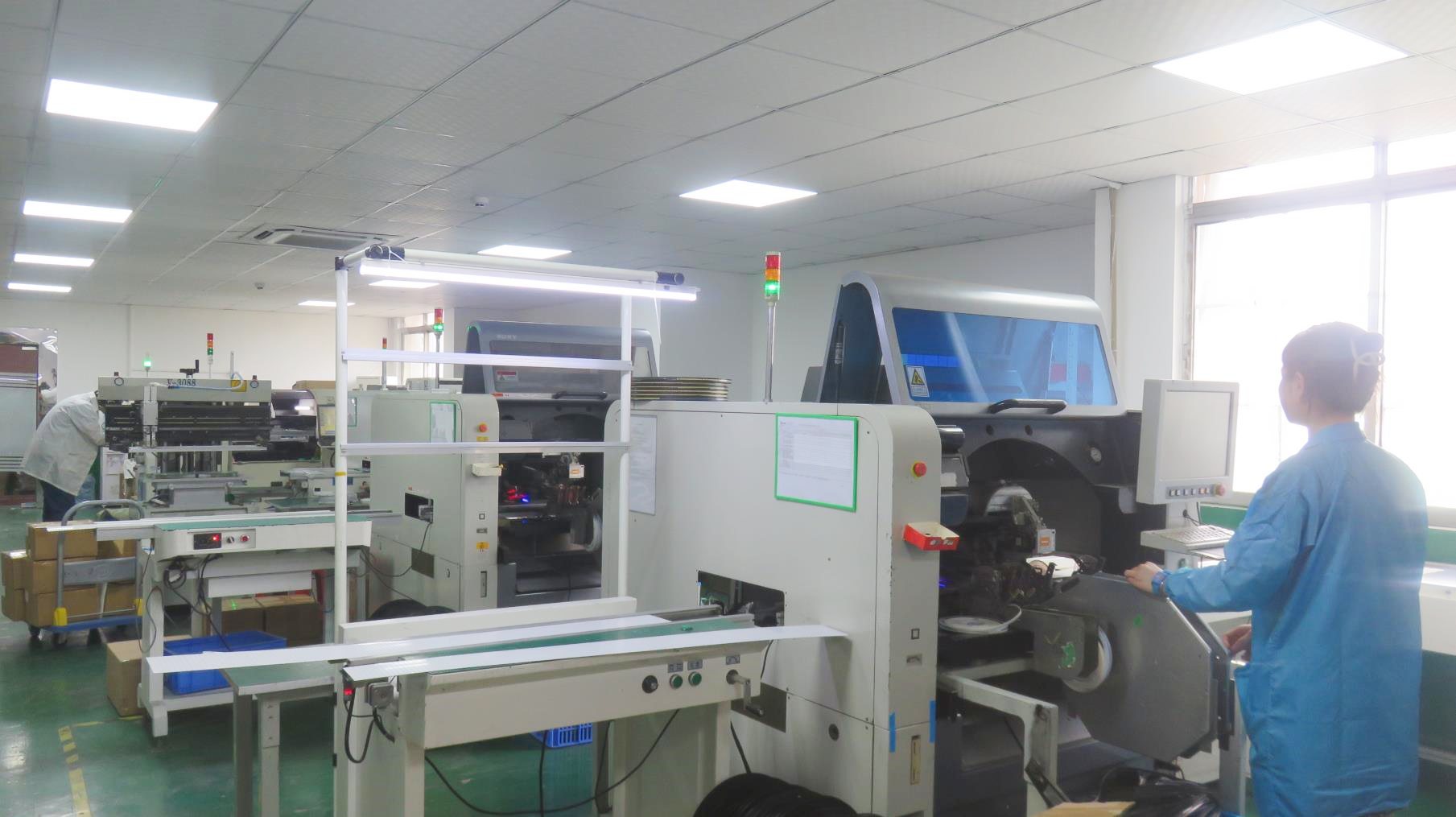
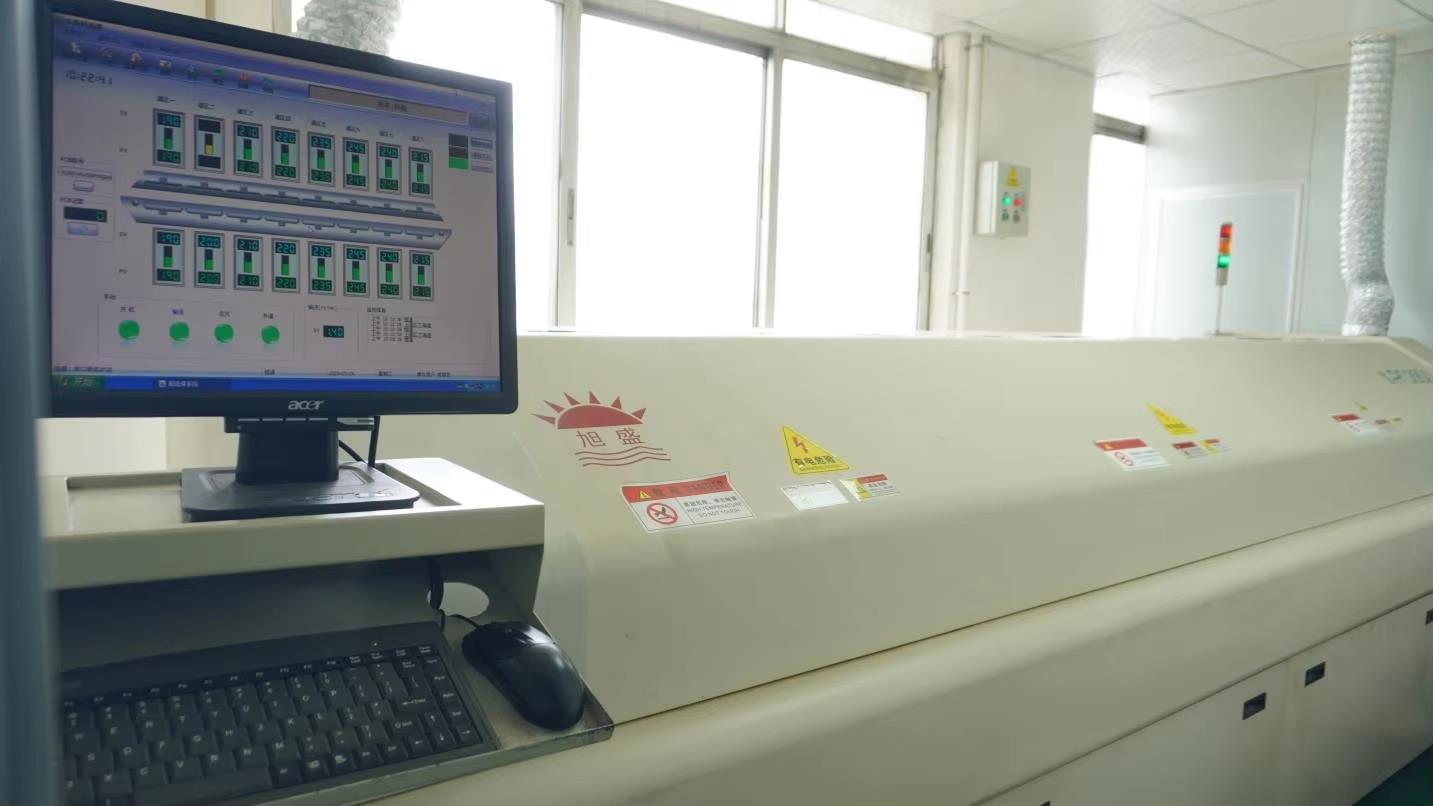
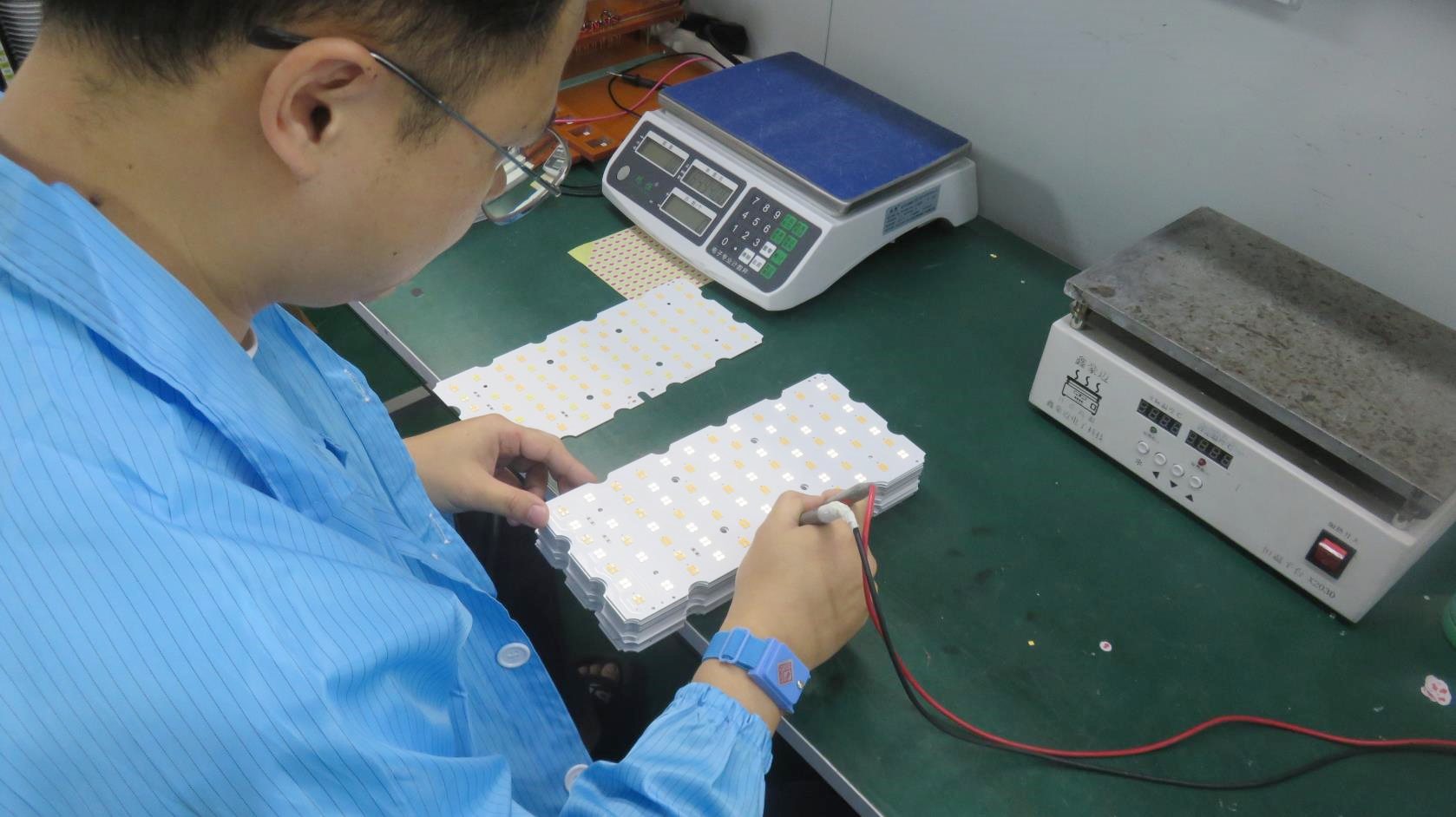
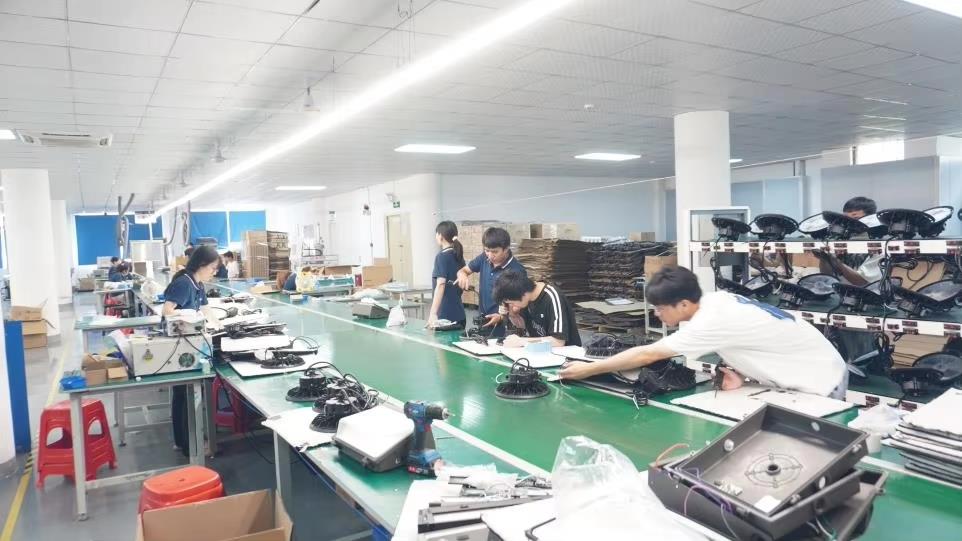
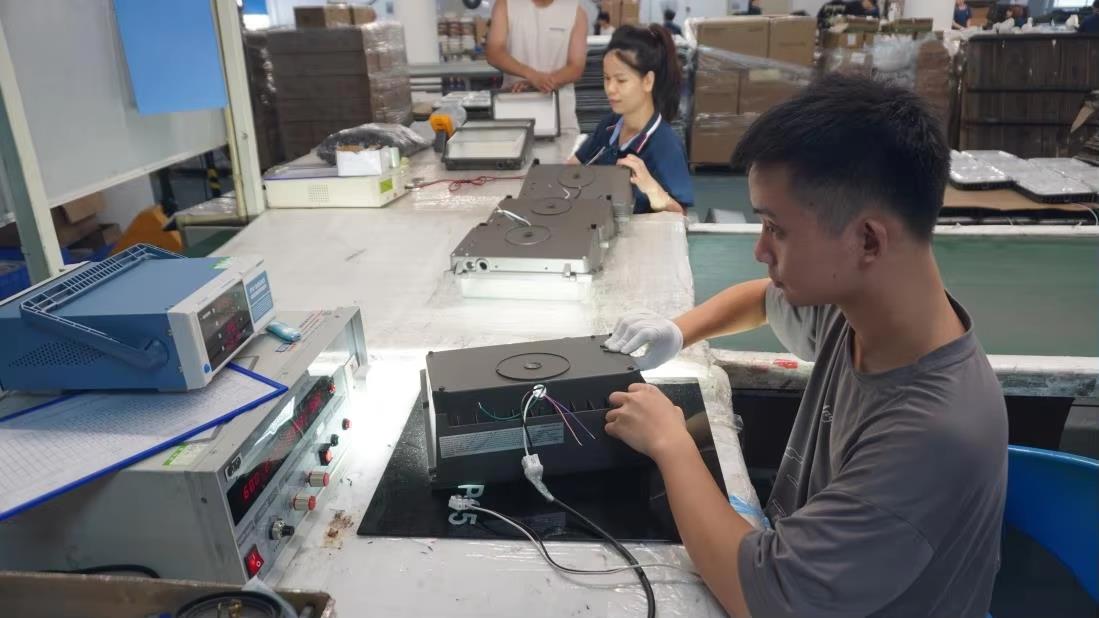
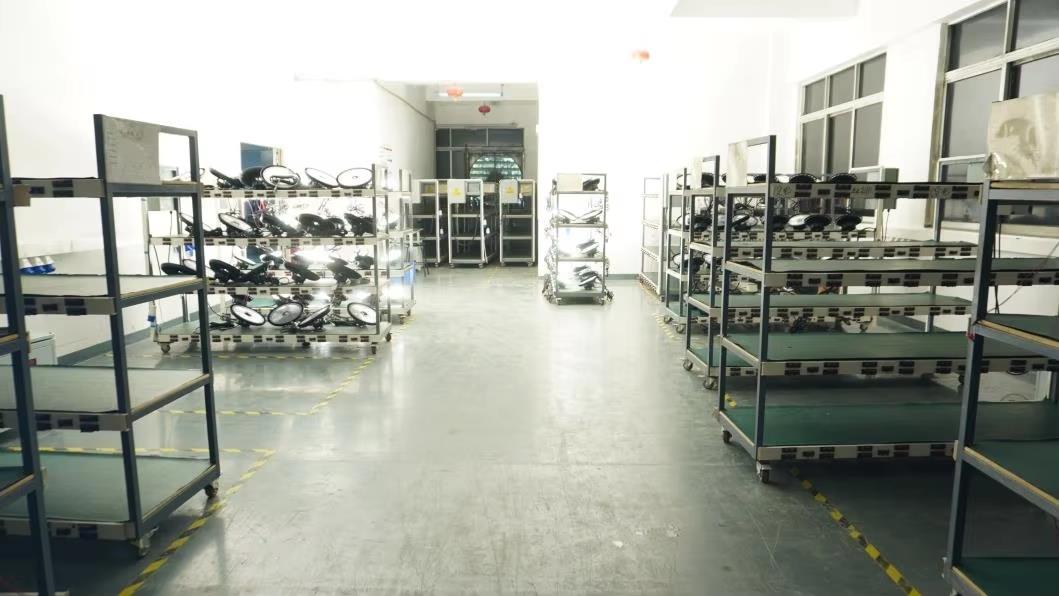

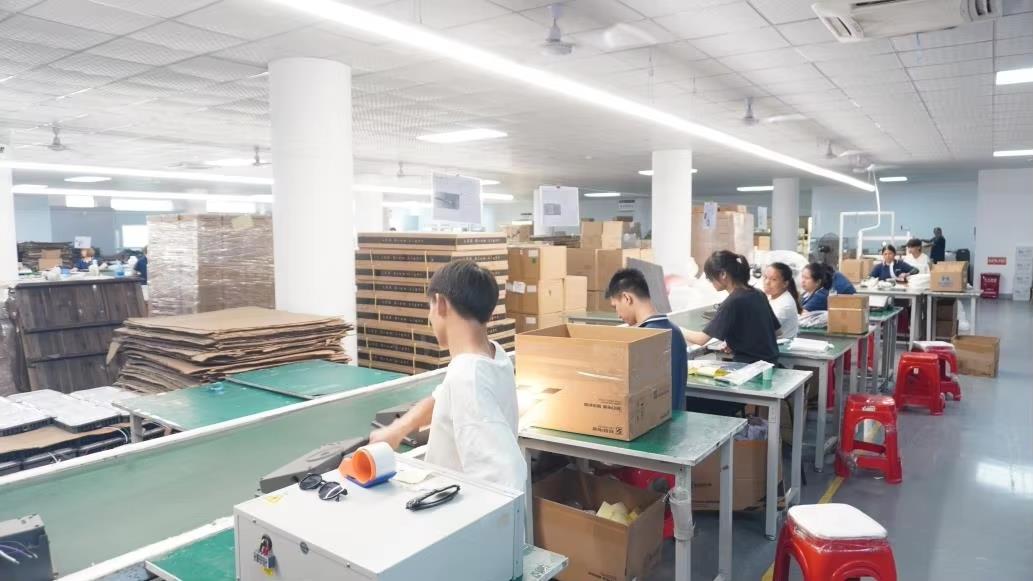
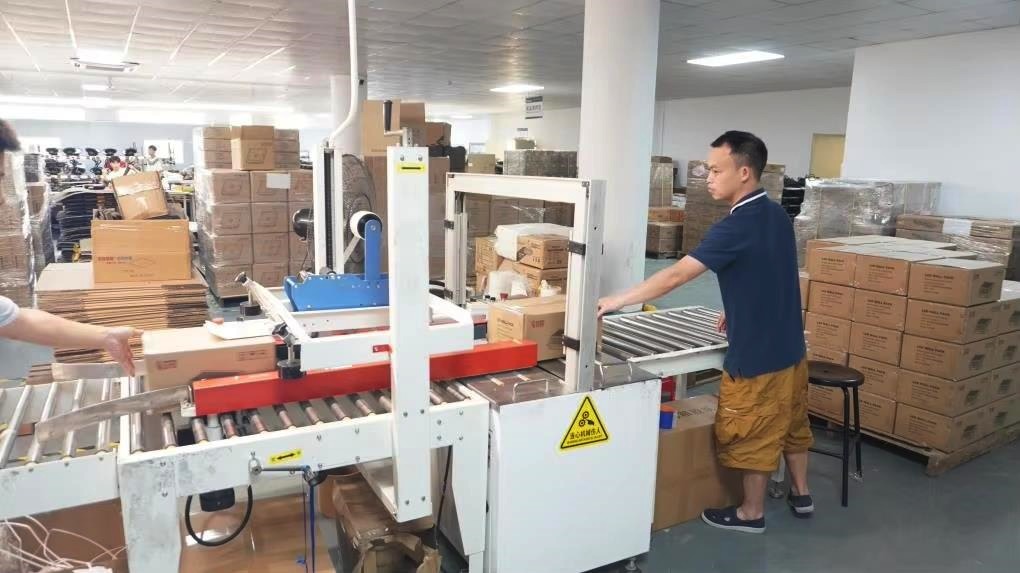
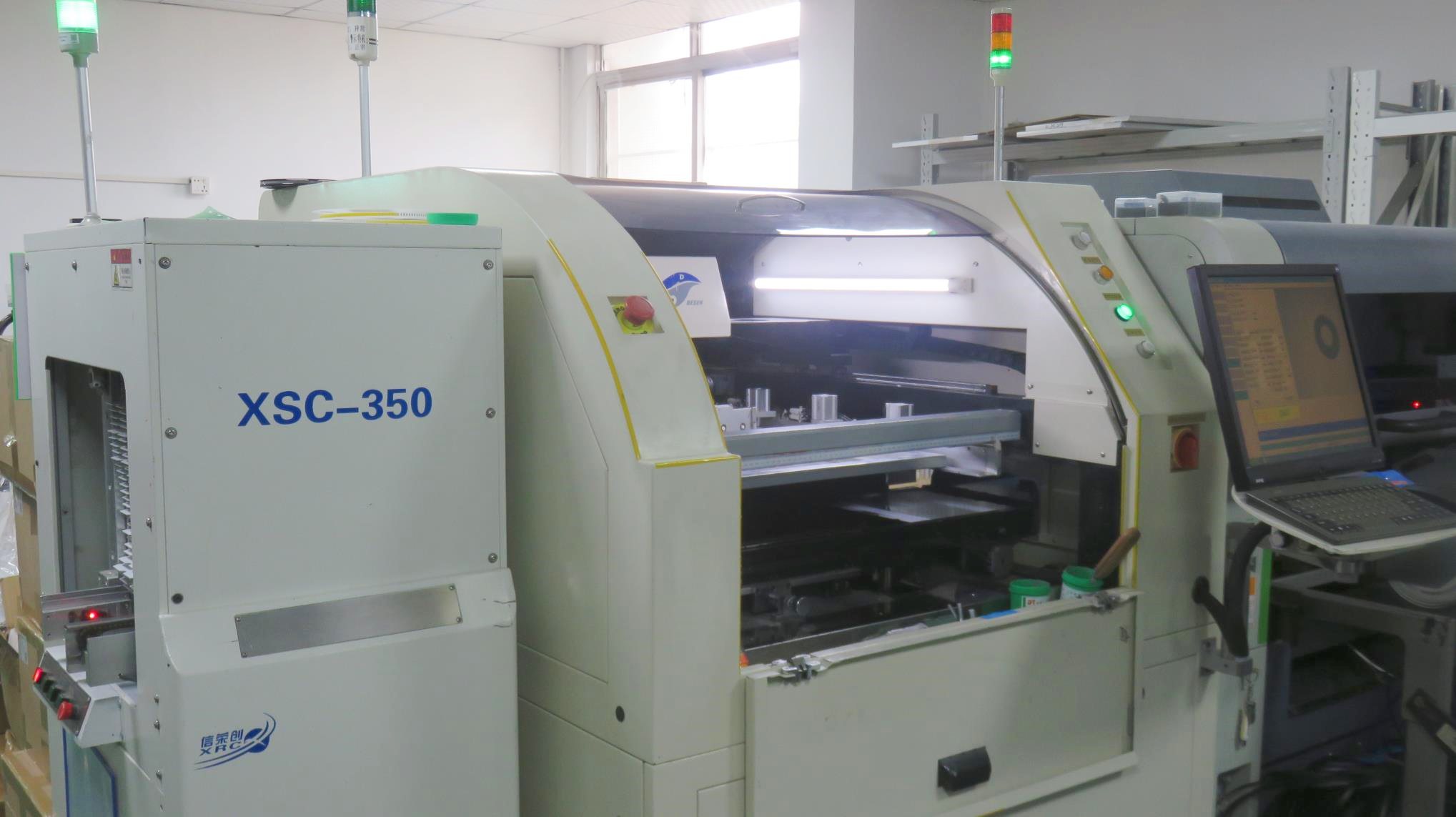
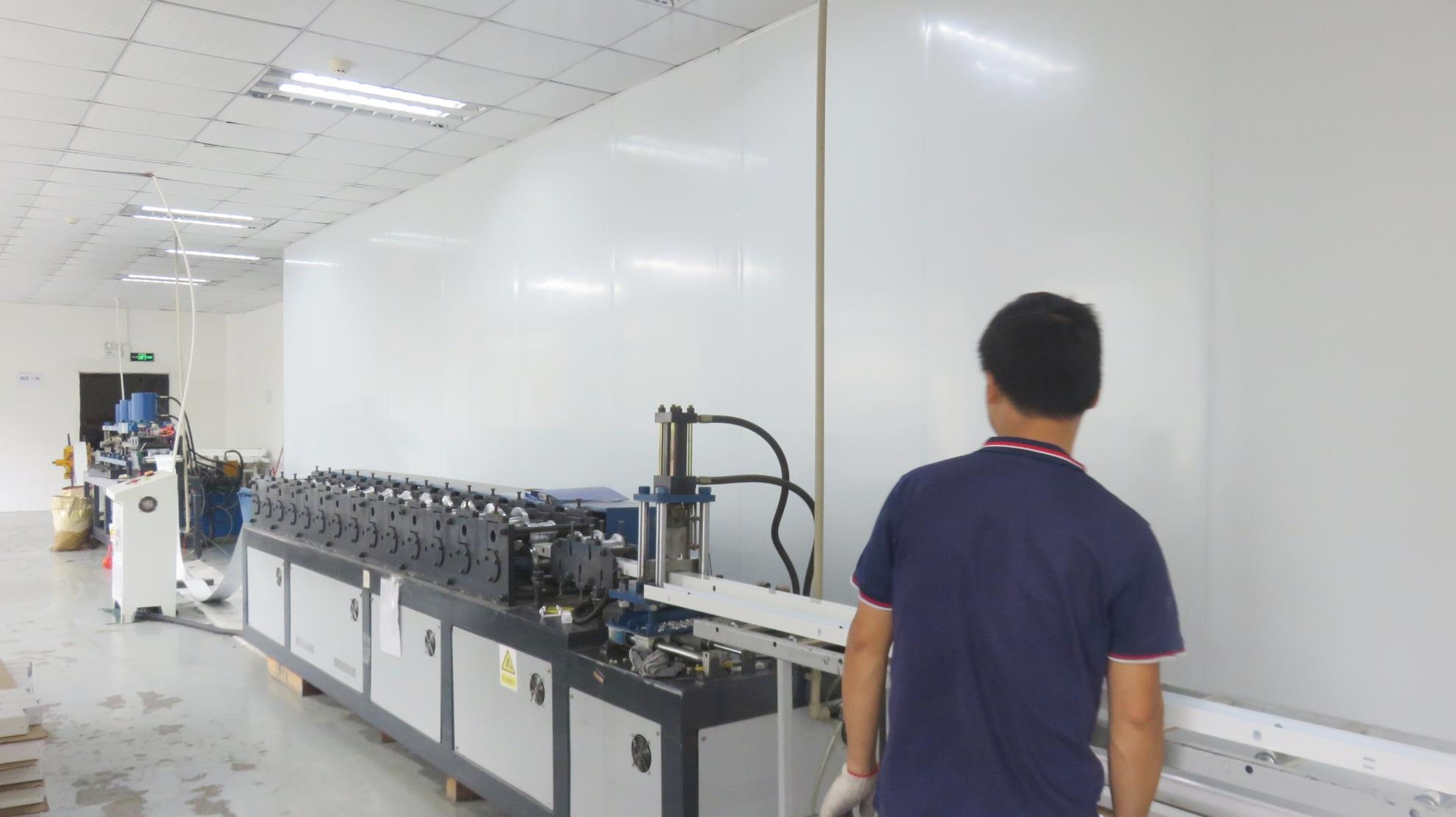
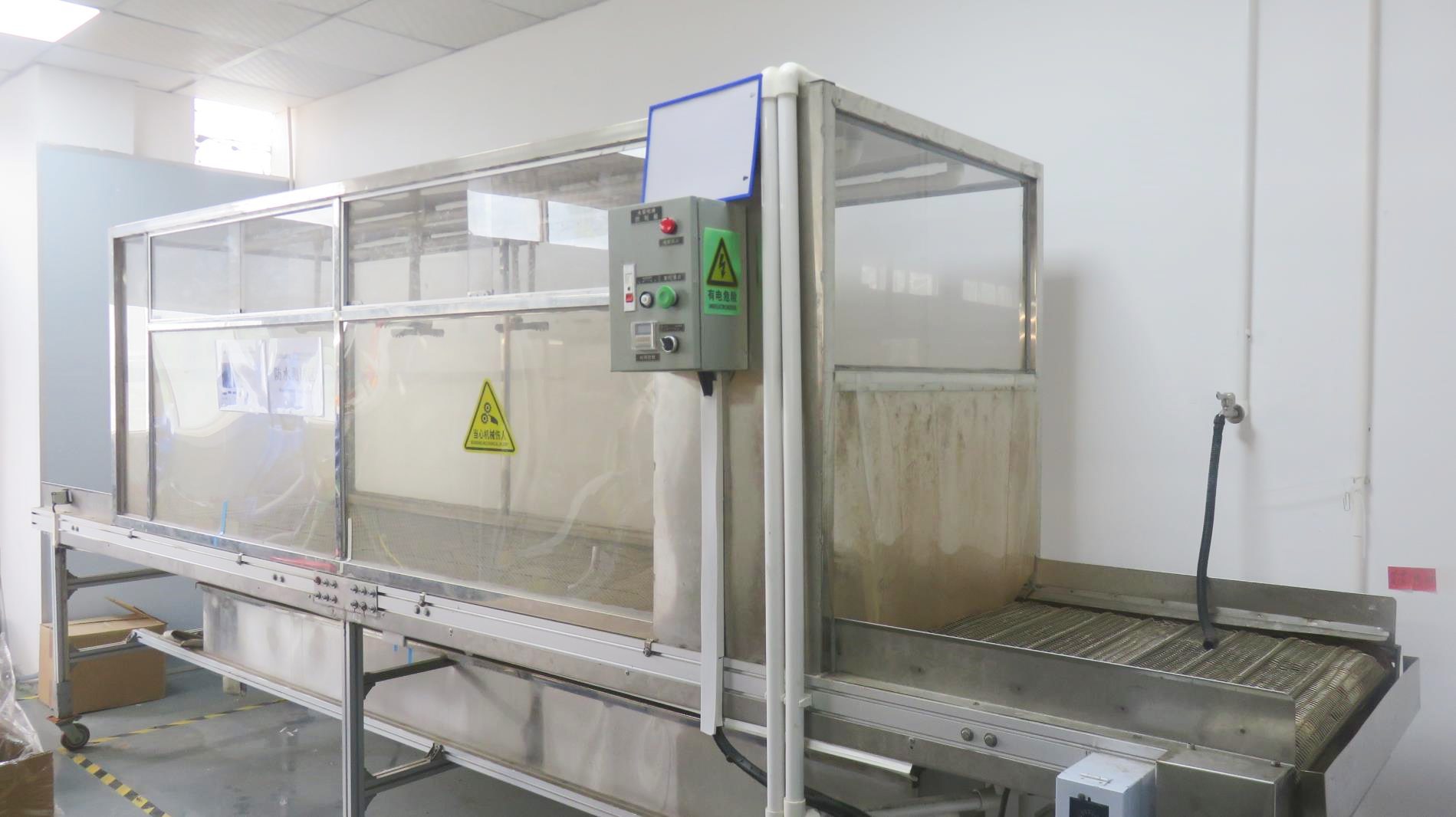
We do not guess illumination levels. Our in-house technical department designs complete spatial modeling of pedestrian paths. Get detailed maps for lux levels, pole spacing, glare indices, and light trespass profiles according to CIBSE or IESNA regulatory guidelines.
Request Free Simulation Layout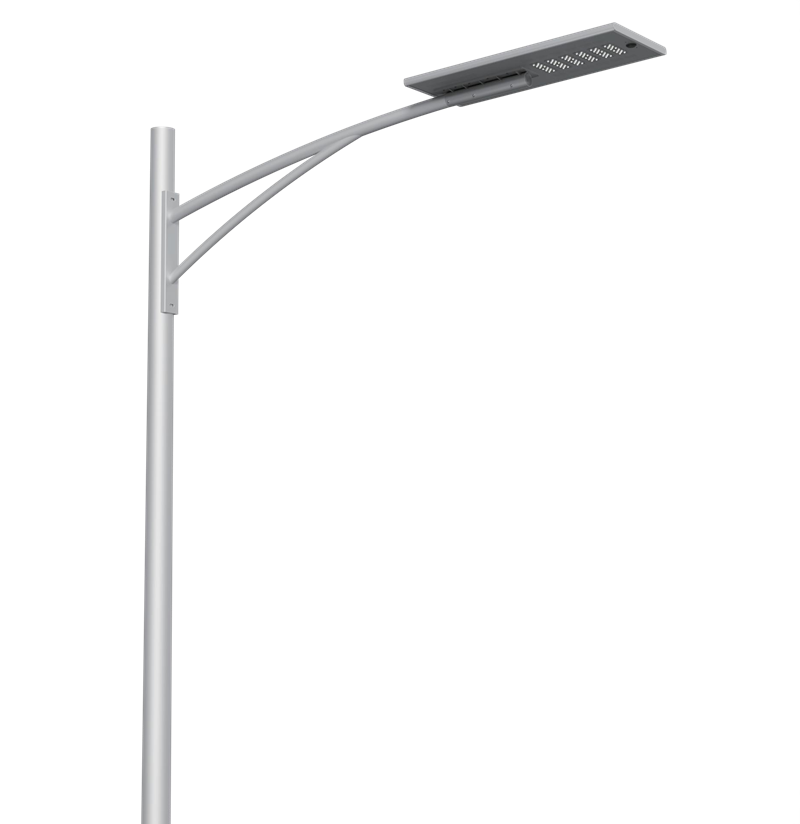
Adapting Chinese supply chain advantages to Seychelles municipal and residential projects
Resort complexes require low-glare, warm illumination (2700K - 3000K) to enhance aesthetic values. Fixtures must remain hidden from straight visual lines while offering reliable light boundaries. Anti-corrosive powder finishes ensure the units preserve visual quality after years of tropical downpours and humid sea salt exposures.
High-occupancy paths around Victoria call for durable configurations that reduce city maintenance costs. Grid-independent solar solutions reduce infrastructure layouts, omitting copper cabling routes. Heavy-duty aluminum poles withstand monsoonal winds up to Category 4.
On islands like La Digue, preserving the night landscape is vital. Our solar systems feature intelligent motion profiling (PIR/microwave sensors). Lights switch to 10% standby output, raising to full illumination only when walkers or cyclists approach, avoiding light pollution and conserving battery power.
From chemical surfacing components to safety equipment and heavy-duty structural walkway items
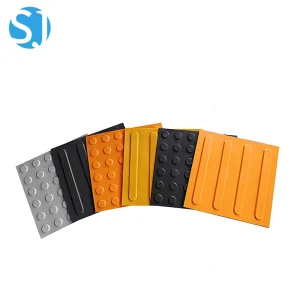
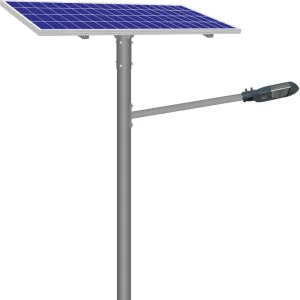

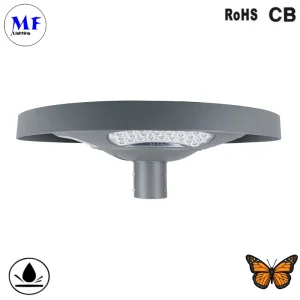
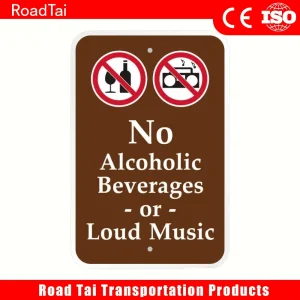
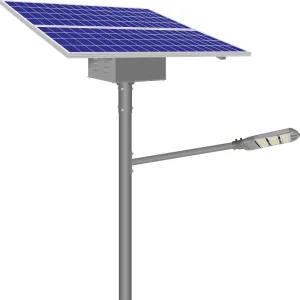
Innovations driving next-generation island and coastal walkway developments
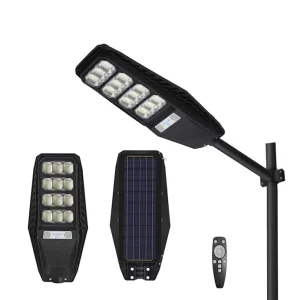
The outdoor pedestrian path sector is moving rapidly toward intelligent energy storage integration. By linking high-capacity LiFePO4 (Lithium Iron Phosphate) chemistry cells with advanced MPPT (Maximum Power Point Tracking) solar charge controllers, modern systems can achieve reliable operating lifecycles exceeding 10 years without maintenance interference.
Additionally, the adoption of IoT connectivity standards (LoRaWAN, Zigbee, and cellular NB-IoT) allows municipality operators to monitor individual lamp efficiency, power levels, and battery statuses from centralized command dashboards. If a single unit fails on an outlying Seychelles resort trail, an automated alert is triggered instantly, reducing monitoring inspection overheads and keeping public routes safe.
Environmental standards also play a major role in modern lighting design. High-pressure sodium (HPS) installations are being replaced by high-efficacy LEDs (exceeding 180 lm/W) featuring directional, dark-sky-friendly distributions. This ensures zero light pollution spills into marine habitats, preventing disruption to nesting sea turtles and night bird species along the island coastlines.
With color rendering index profiles over Ra 80, urban parks and promenades display natural tones, improving visual safety for pedestrians while maintaining the natural beauty of the local flora and landscaped surroundings.
Answers to critical questions asked by procurement teams and engineers
Coastal installations require materials that withstand salt air, humidity, and rain. True coastal-grade lights must feature marine-grade aluminum housing with a low-copper content (<0.1%), treated with a multi-stage powder coat compliant with C5-M marine anti-corrosion standards. Additionally, internal drivers, batteries, and LED boards must be sealed to IP66/IP67, and connectors must be made of stainless steel (SUS316) to prevent galvanic corrosion.
Our solar systems are designed with smart power management that adjusts output based on battery charge. Combined with high-efficiency LiFePO4 batteries and MPPT controllers, the systems can run for 3 to 5 rainy days at reduced brightness, keeping paths illuminated even during long periods of low sunlight.
Ordering directly from the manufacturer gives you full customization control over materials and optical lenses, lower unit pricing, and access to testing certifications. Jiangsu Rhynox offers direct factory support, including Dialux simulations, custom modifications, and quality control tracking for international projects, bridging the gap between local distribution limitations and complex project demands.
LiFePO4 batteries have a longer service life, lasting 3000 to 5000 charge cycles, compared to only 500 to 800 cycles for lead-acid batteries. They also perform better in tropical temperatures (up to 60°C) without losing capacity and are more environmentally friendly, making them ideal for green energy projects.
Yes, we customize our luminaires with dark-sky optical shields that direct light downward, keeping it under the horizontal plane. We also offer warm color temperatures (2200K to 3000K) that emit minimal blue light, helping to protect local wildlife and coastal ecosystems.
 Rhynox Lighting