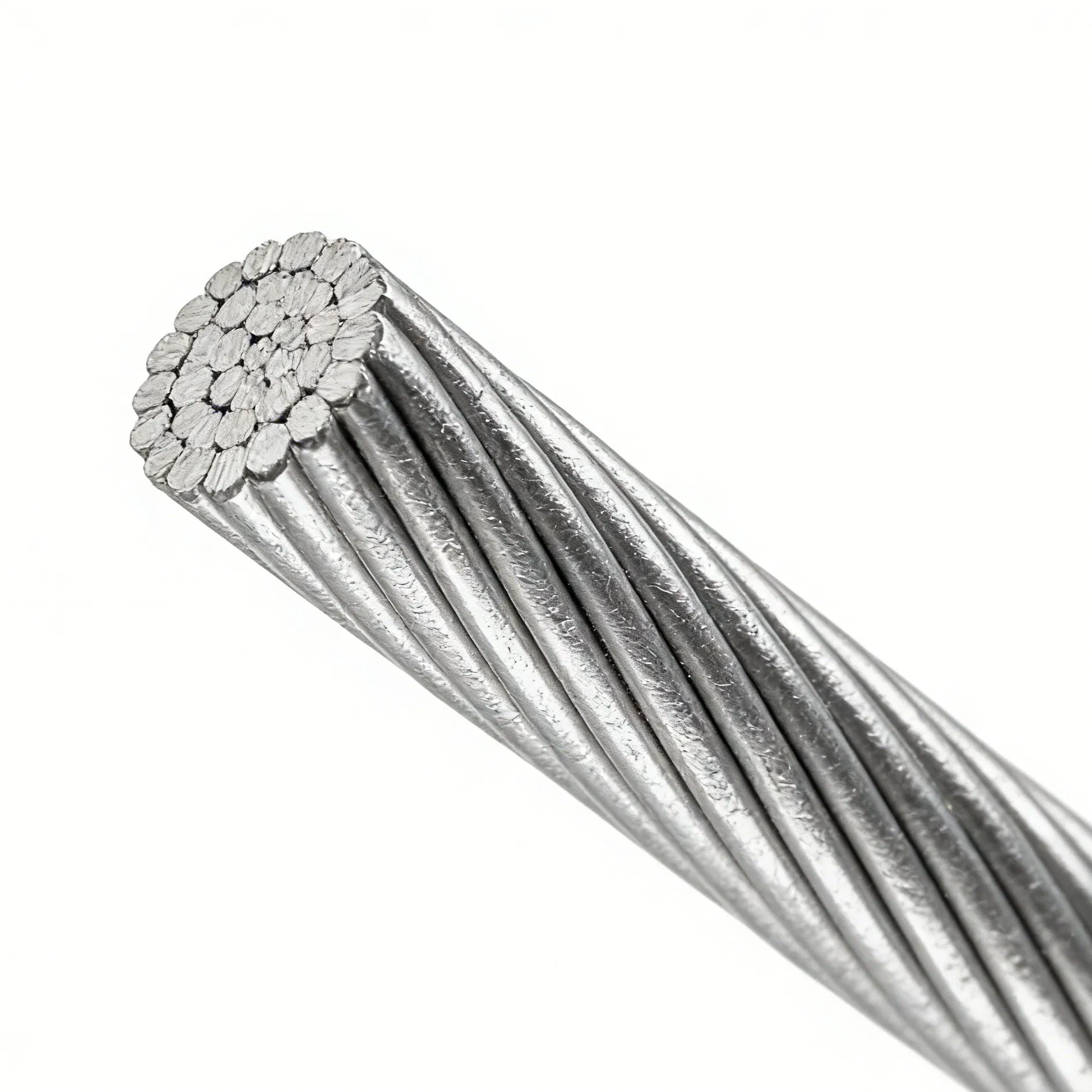
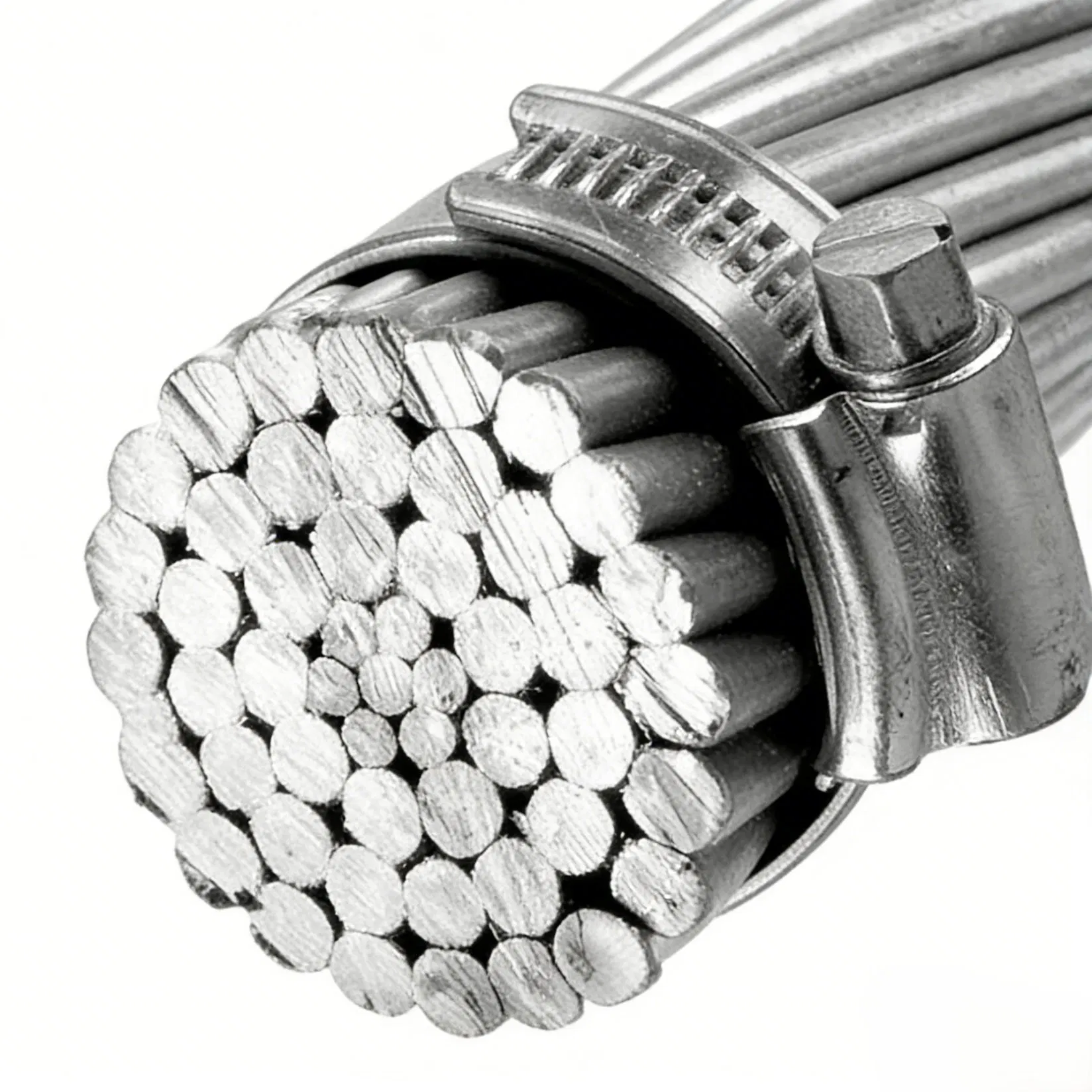
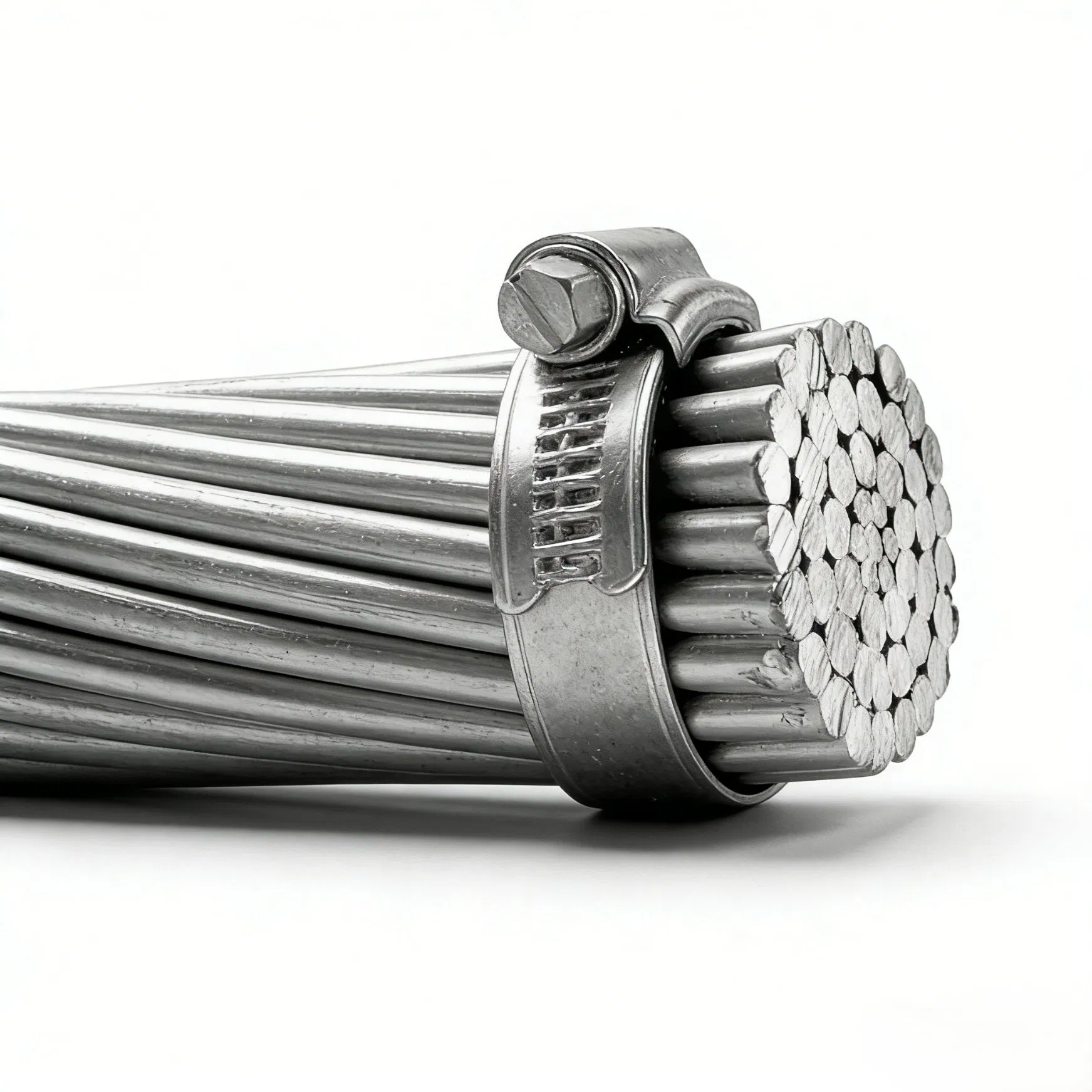
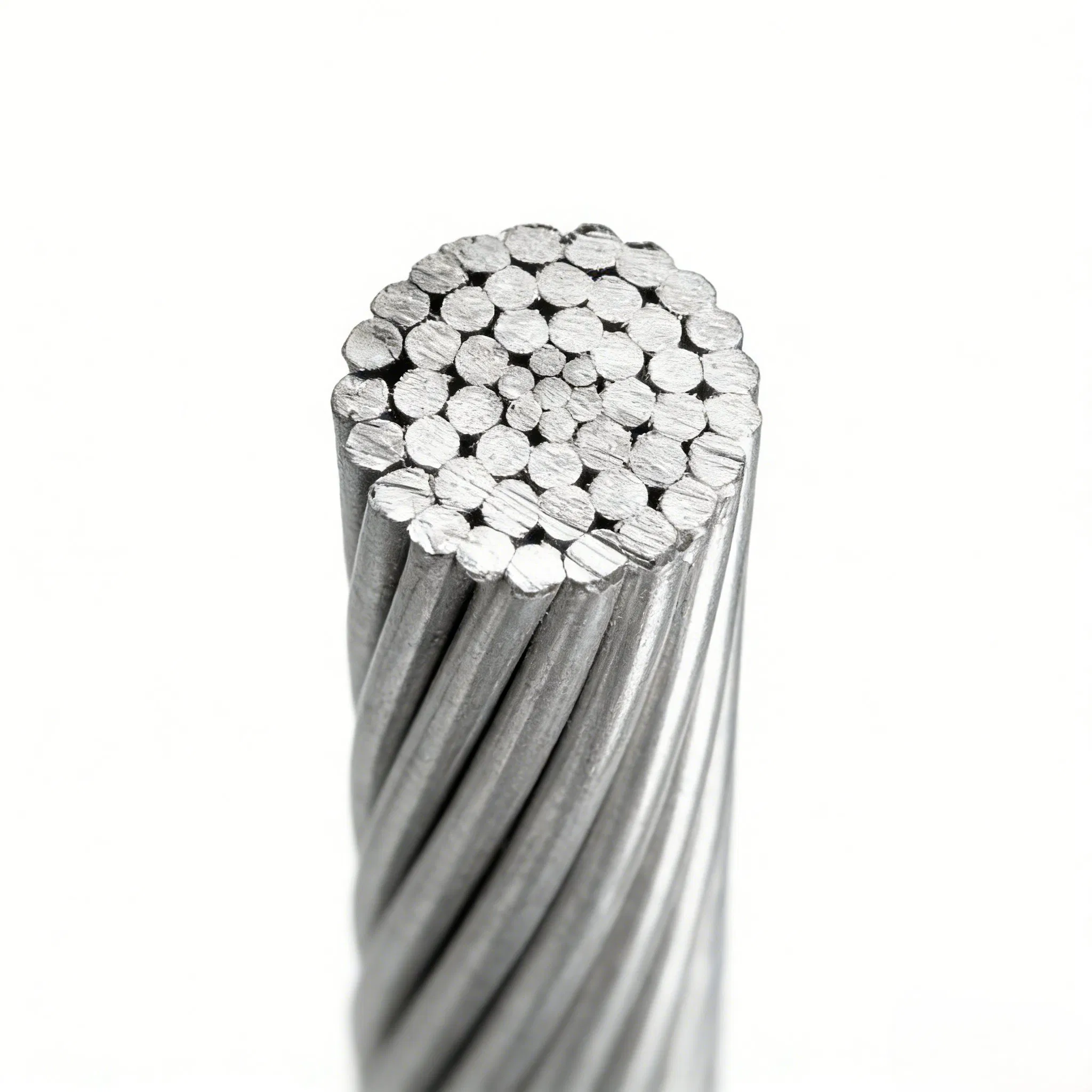
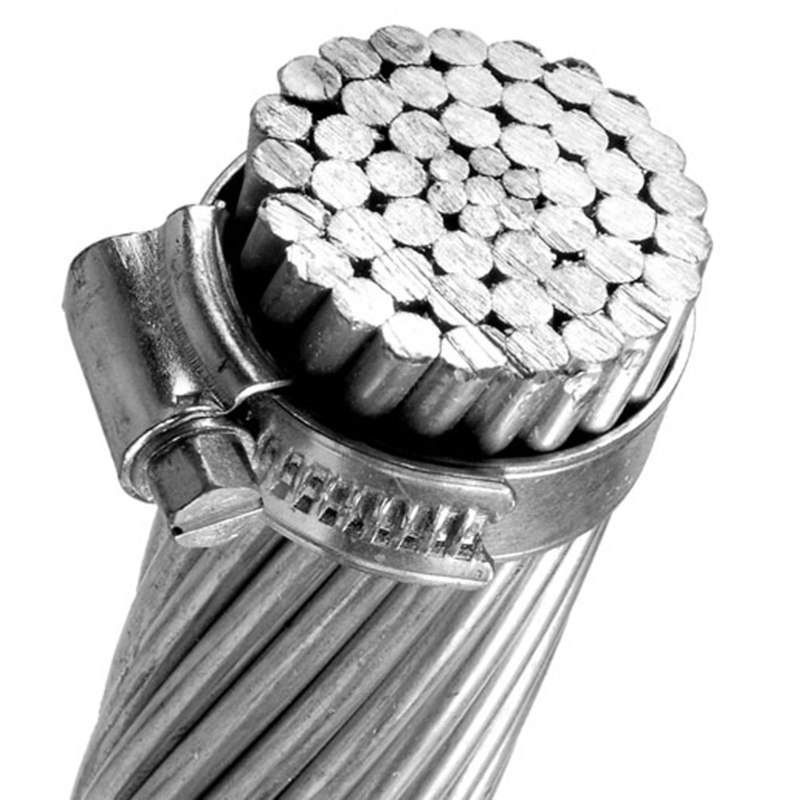
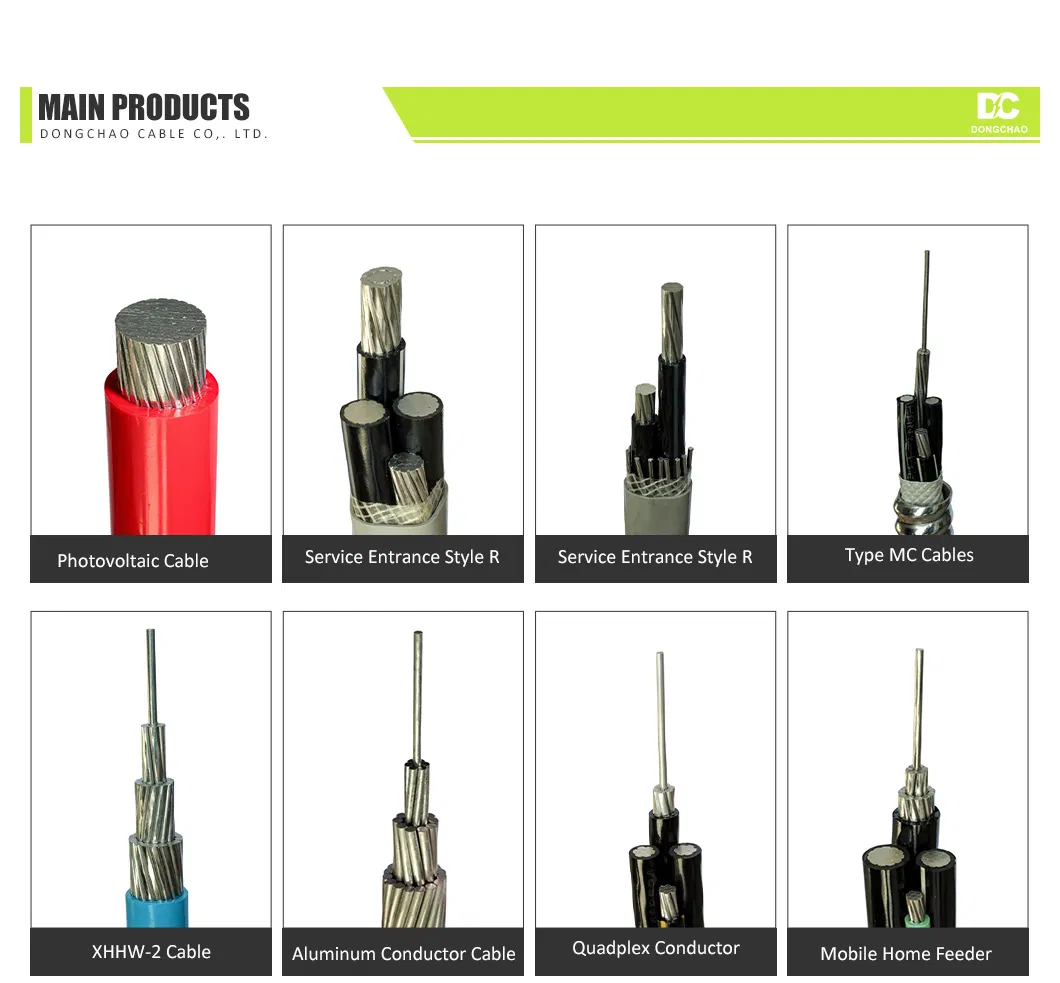
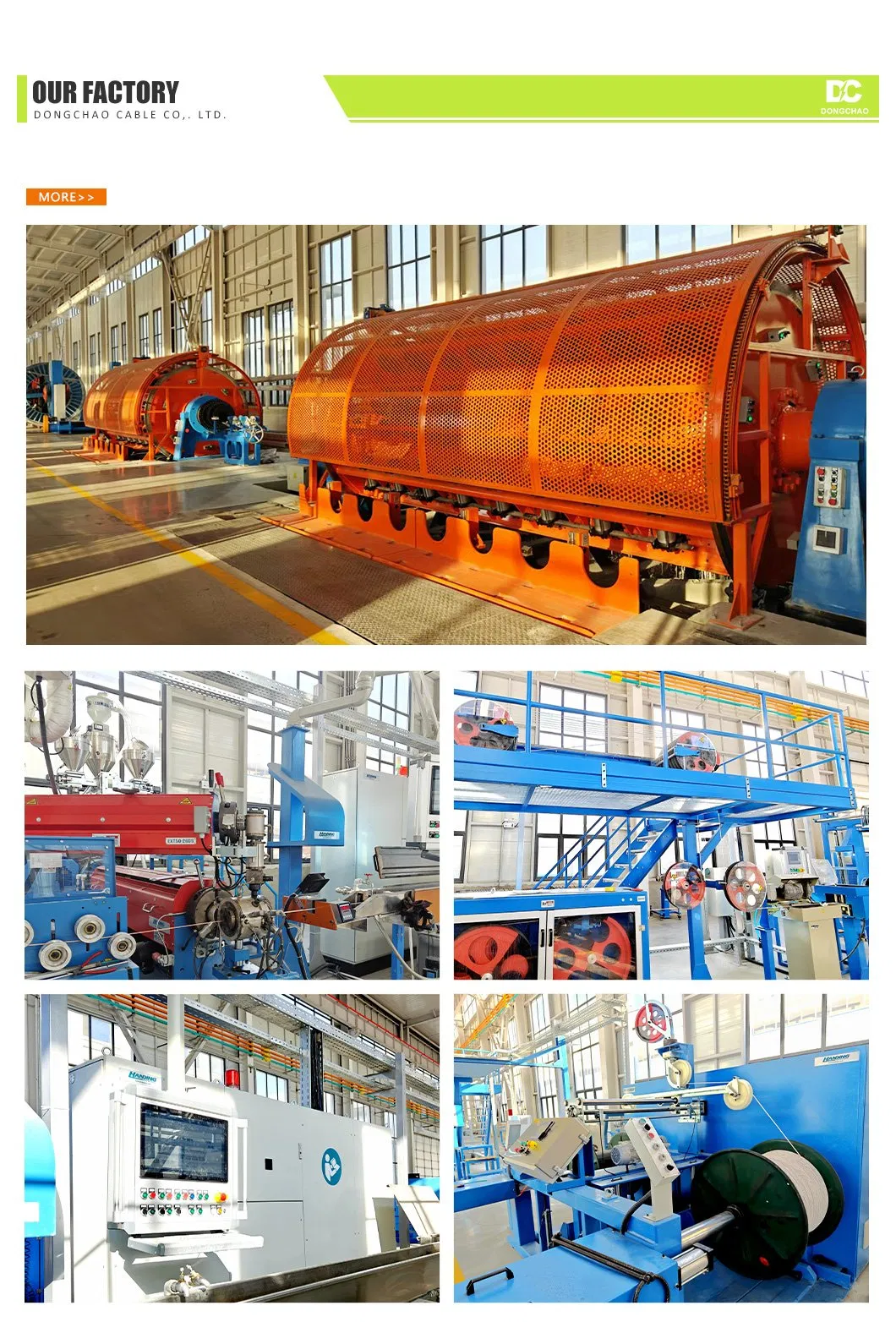
◈ AAC All Aluminum Conductor Wire Cable
APPLICATION: All aluminum conductors (SAAC) for overhead transmission lines in overhead power transmission and distribution.
✔ CONSTRUCTION:
Aluminum alloy 1350 wires stranded helically around a central wire. Class AA for bare conductors used in overhead lines where greater flexibility is required. Class A conductors covered with weather resistant materials.
✔ STANDARDS:
ASTM B-230: ALUMINUM 1350-H19 WIRE FOR ELECTRICAL PURPOSE
ASTM B-231: CONCENTRIC LAY STRANDED ALUMINUM 1350 CONDUCTORS
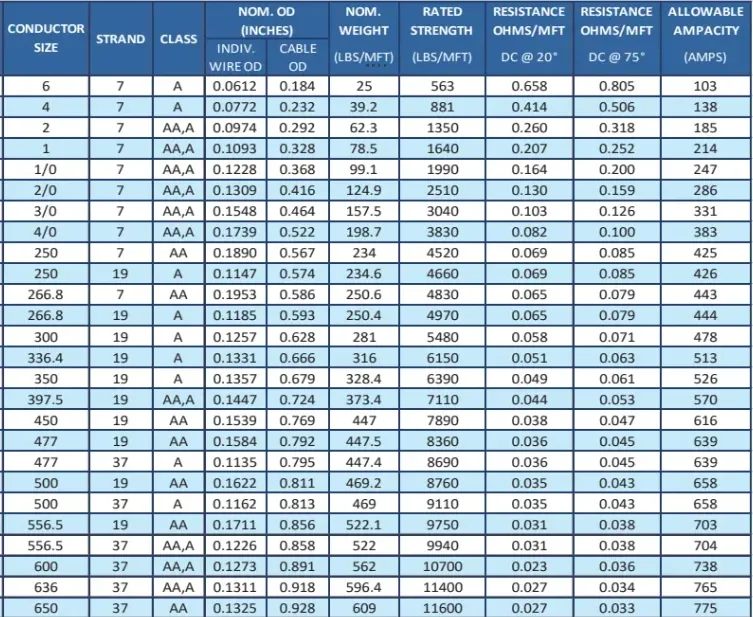
Technical Specifications & Available Size
Product Gallery
Frequently Asked Questions
1. What is an AAC Conductor?
AAC stands for All Aluminum Conductor. It is a type of bare overhead conductor composed of refined aluminum 1350-H19 wires stranded helically, primarily used in urban areas where spacings are short and supports are close.
2. What are the main applications of AAC cables?
AAC conductors are widely used for overhead power transmission and distribution lines, as well as some underground applications. They are particularly suitable for coastal regions due to their high degree of corrosion resistance.
3. Which international standards do your AAC conductors meet?
Our products comply with international standards including ASTM B-230 for electrical purpose wires and ASTM B-231 for concentric-lay-stranded aluminum conductors, ensuring safety and reliability.
4. What is the difference between Class AA and Class A AAC?
Class AA is designed for bare conductors used in overhead lines where greater flexibility is required. Class A is typically used for conductors to be covered with weather-resistant materials.
5. Why choose aluminum conductors over copper for overhead lines?
Aluminum conductors are significantly lighter and more cost-effective than copper. AAC provides a high conductivity-to-weight ratio, making it ideal for transmission over long distances where weight on supports is a concern.
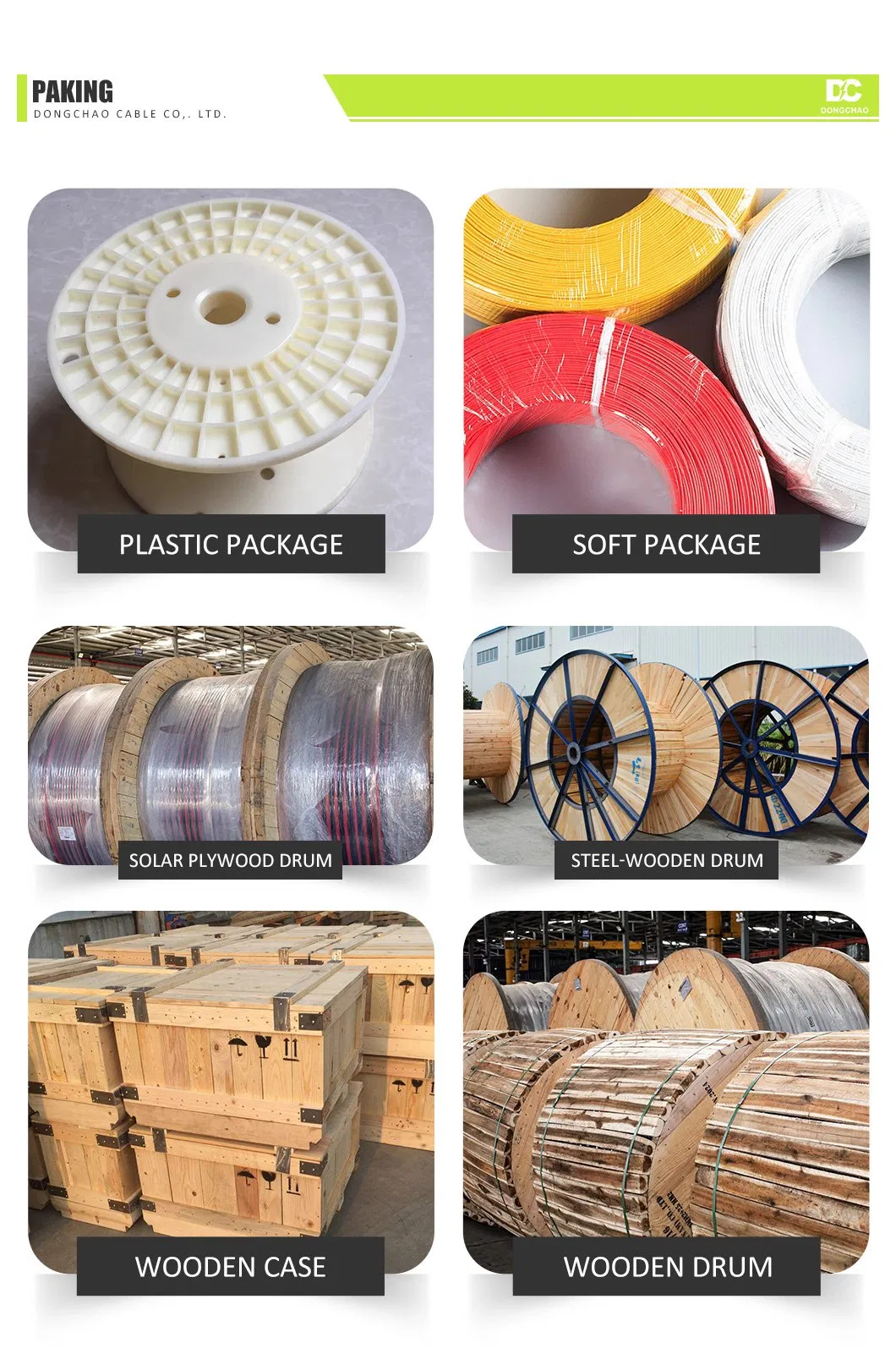
6. What type of packaging is used for transportation?
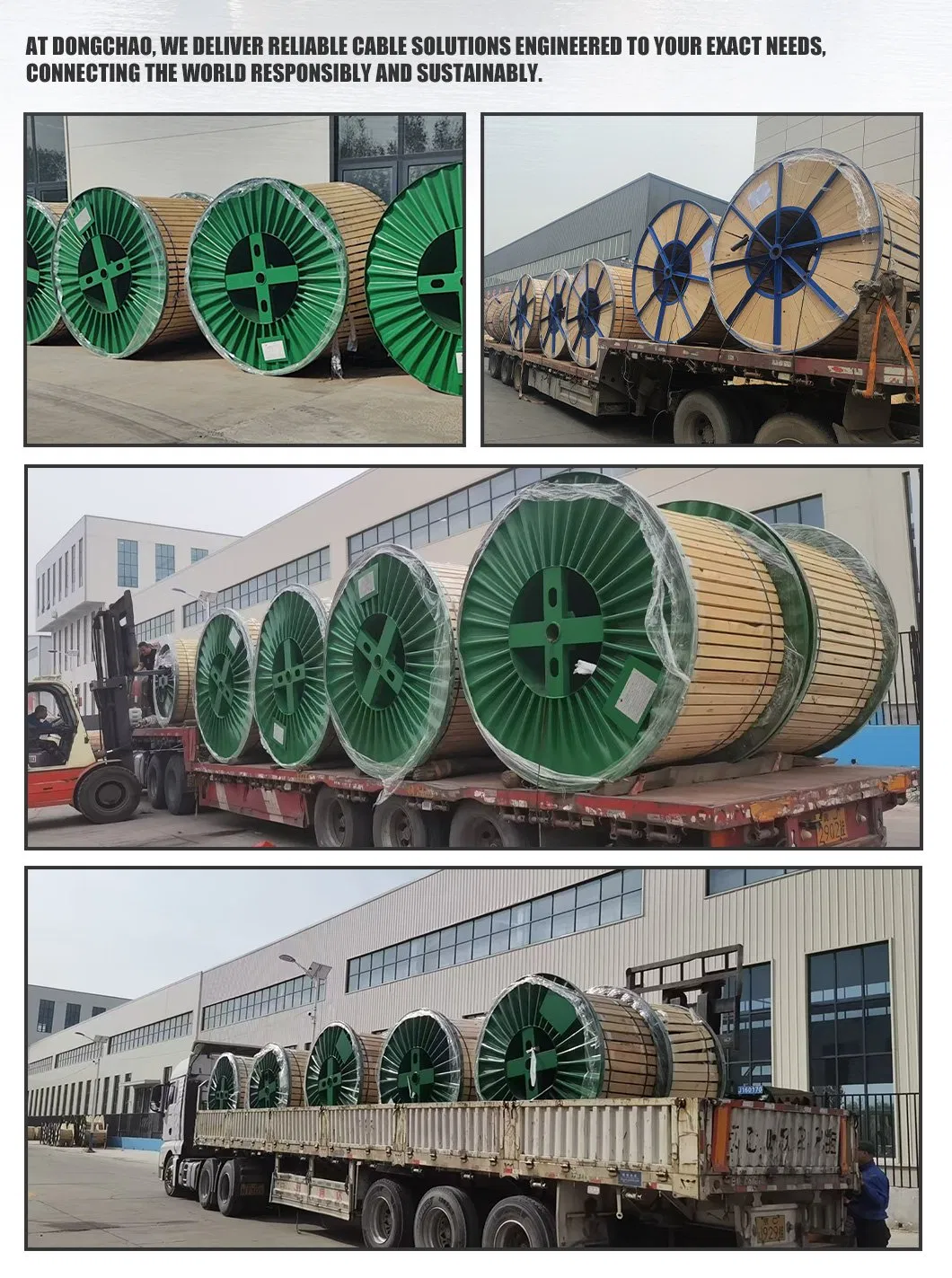
We use heavy-duty wooden drums or wood-and-steel composite drums to ensure the cable is protected from mechanical damage during shipping and handling.
 Rhynox Lighting