🌟 Product Description
Professional Manufacturer of Stainless Steel Tactile Paving & Indicators for Global Projects.
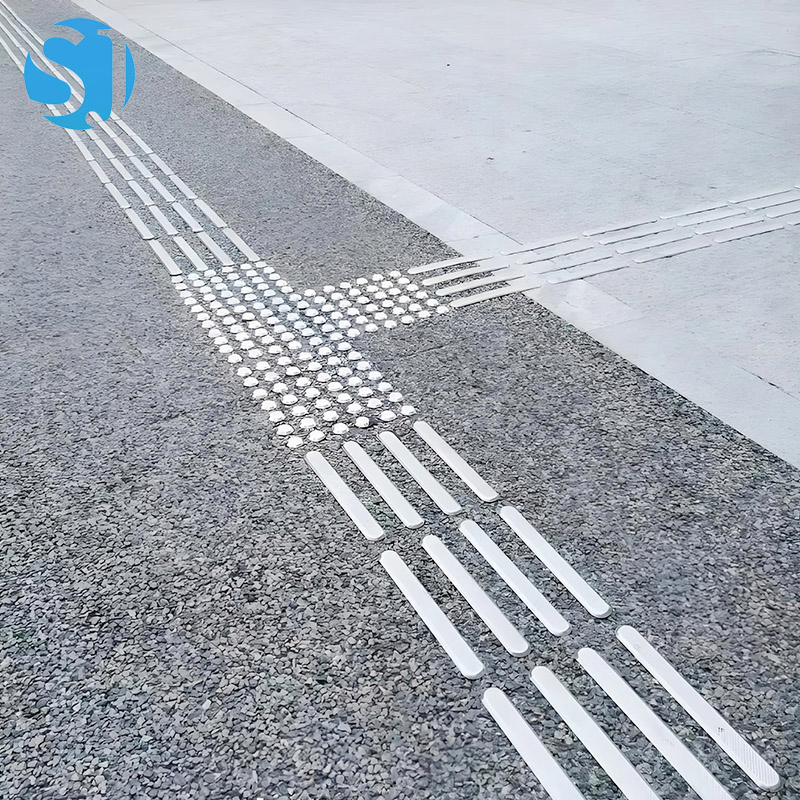
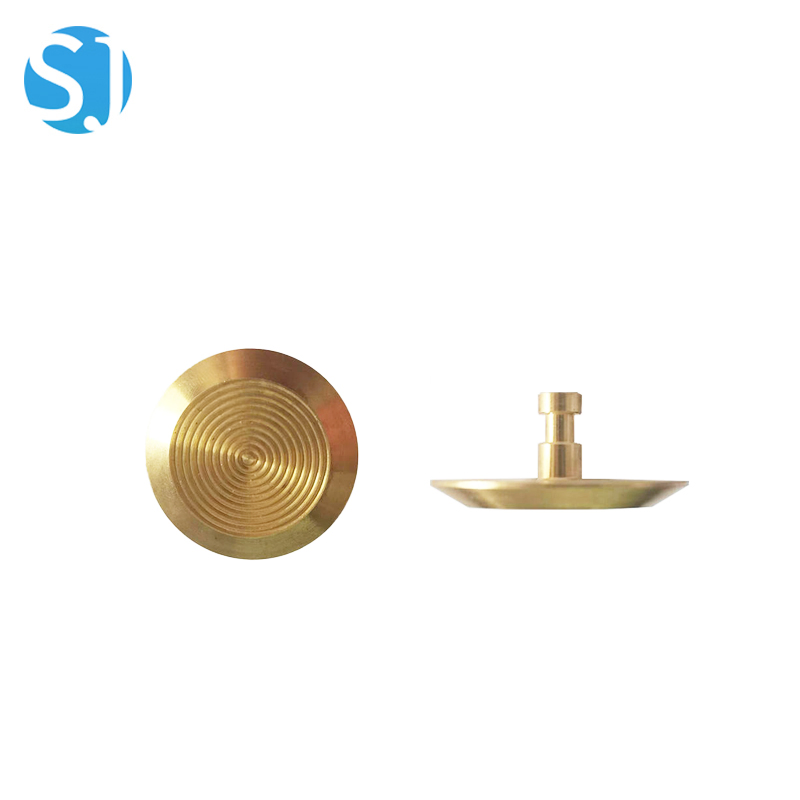
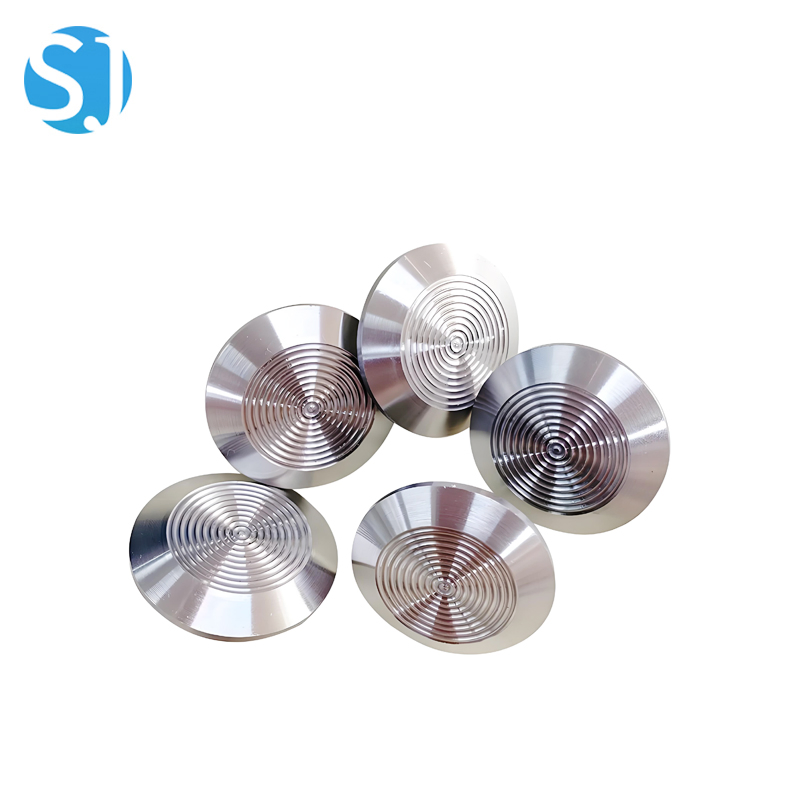
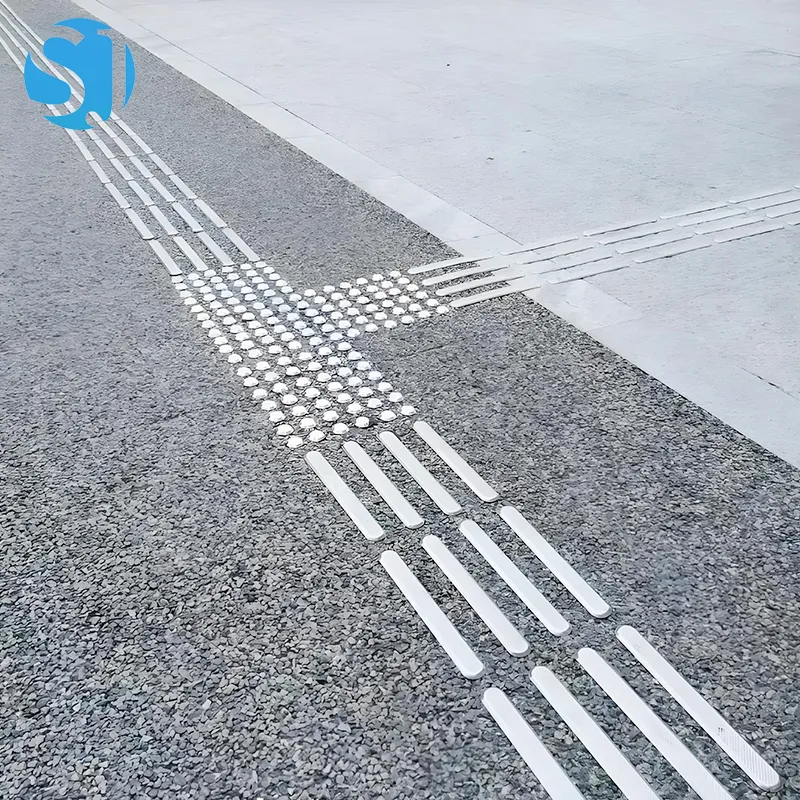
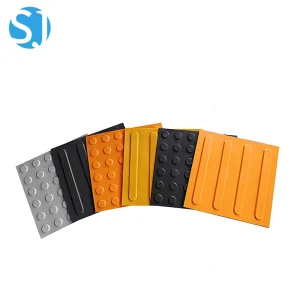
The Stainless Steel Tactile Indicators Series combines tactile studs (dot pattern) and tactile strips (bar pattern), providing a complete tactile ground surface indicator (TGSI) solution for public safety and accessibility. These indicators offer reliable hazard warning and directional guidance for visually impaired pedestrians in various public areas.
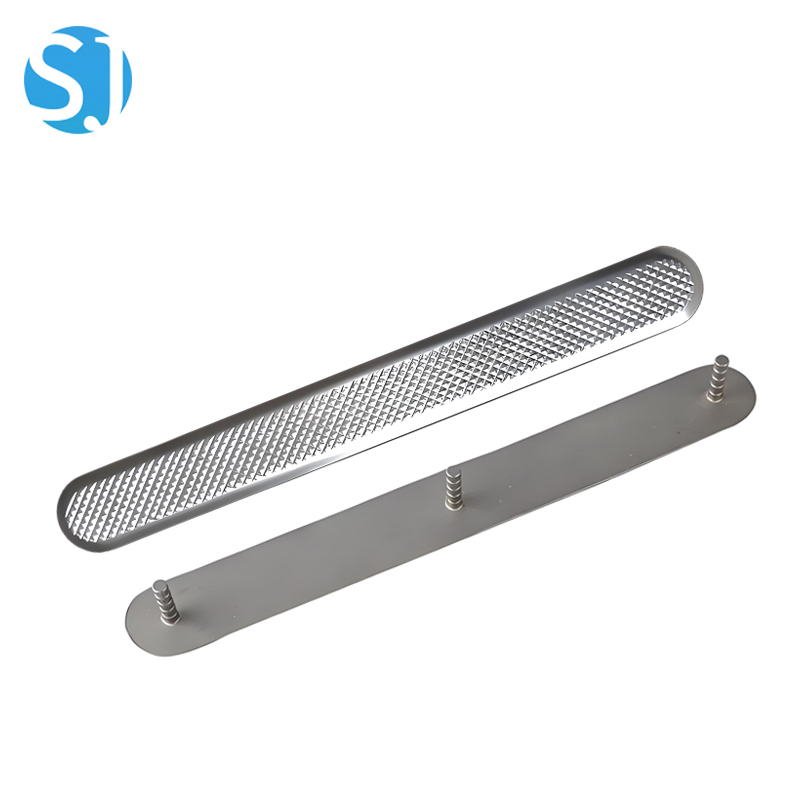
Manufactured from premium SUS304 or SUS316L stainless steel using one-piece stamping technology, the tactile studs and strips deliver outstanding anti-slip performance, weather resistance, and long-lasting durability. They are suitable for indoor and outdoor heavy pedestrian traffic, including train and subway stations, airports, hospitals, shopping malls, and pedestrian crossings.
✅ Key Features
✔ Compliant with international accessibility standards
✔ High-grade SUS304 / SUS316L for corrosion resistance
✔ Anti-slip P4 performance for heavy transport areas
✔ Weatherproof and low-maintenance design
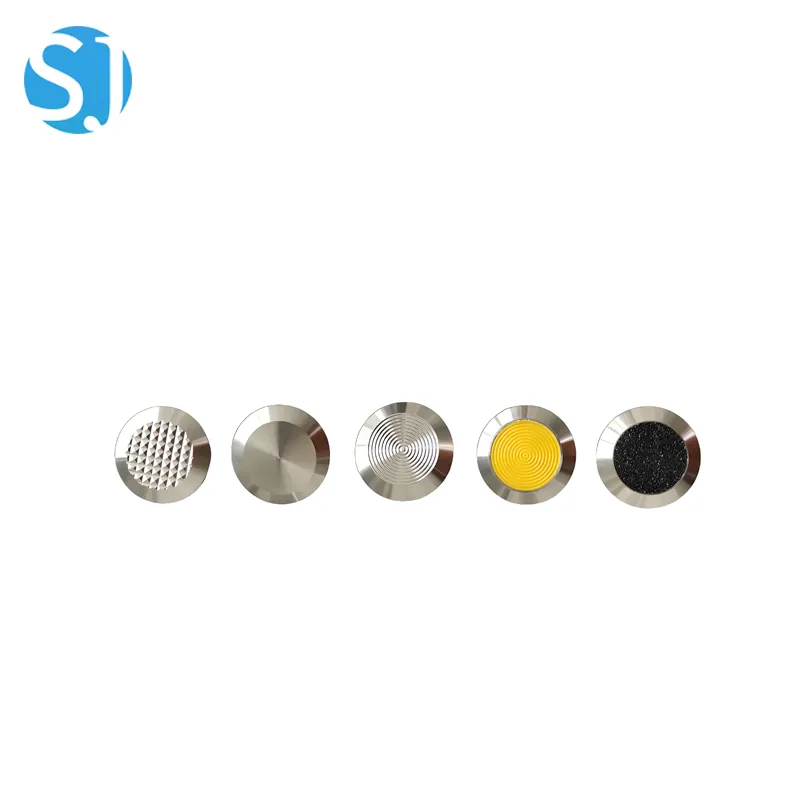
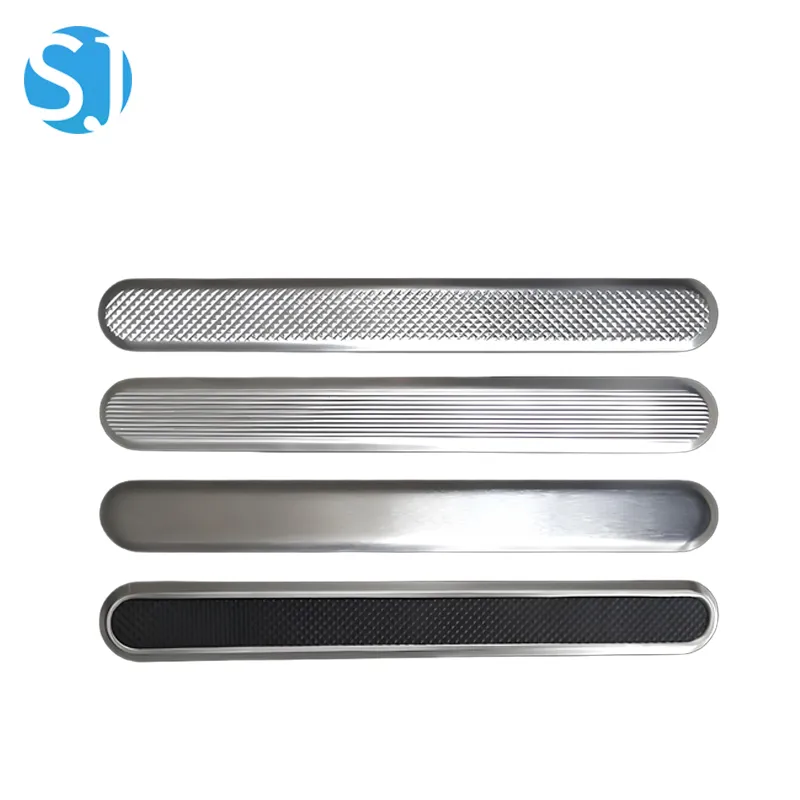
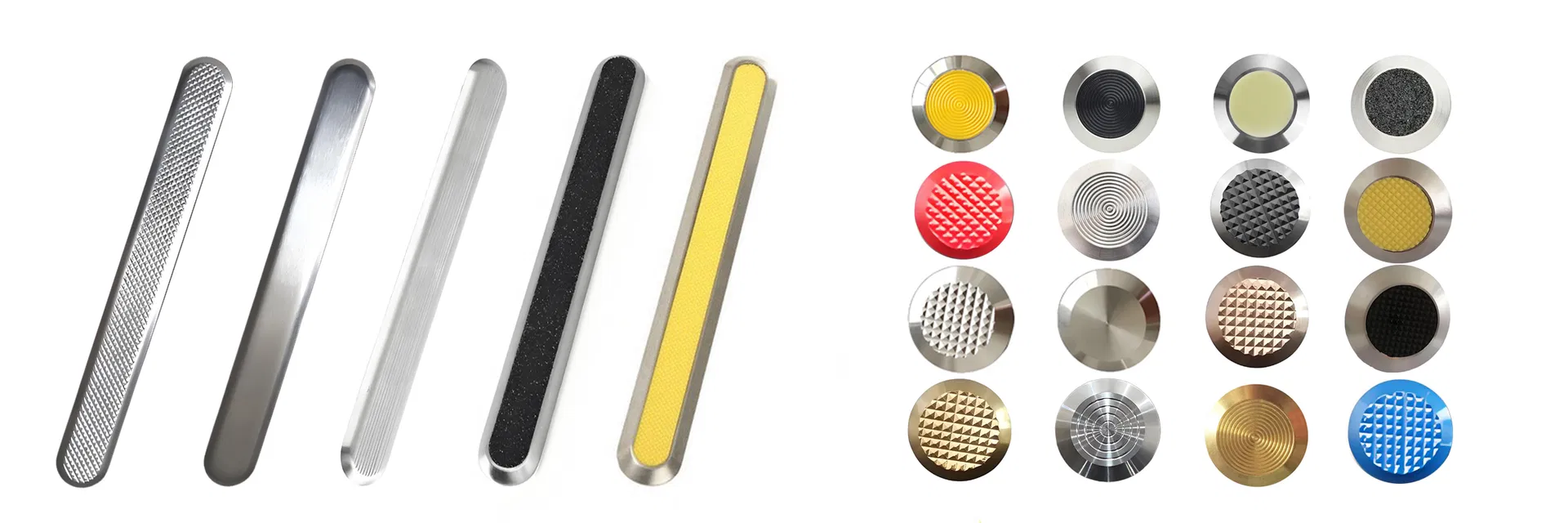
✔ Multiple surface textures: Checker, Grooved, Carborundum
✔ Compatible with Concrete, Asphalt, Stone, and Tile
🏗️ Project Cases
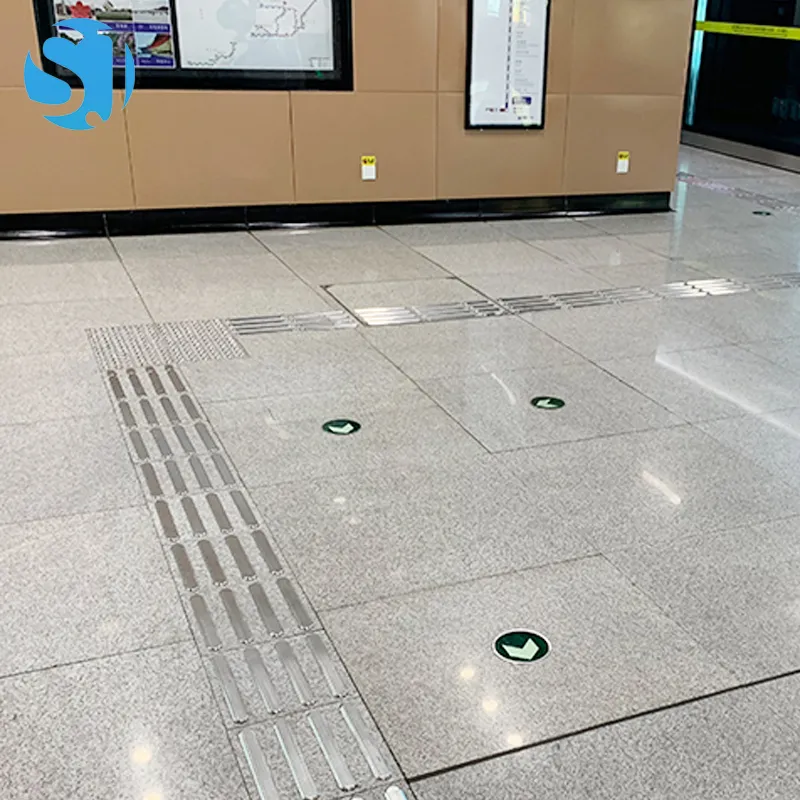
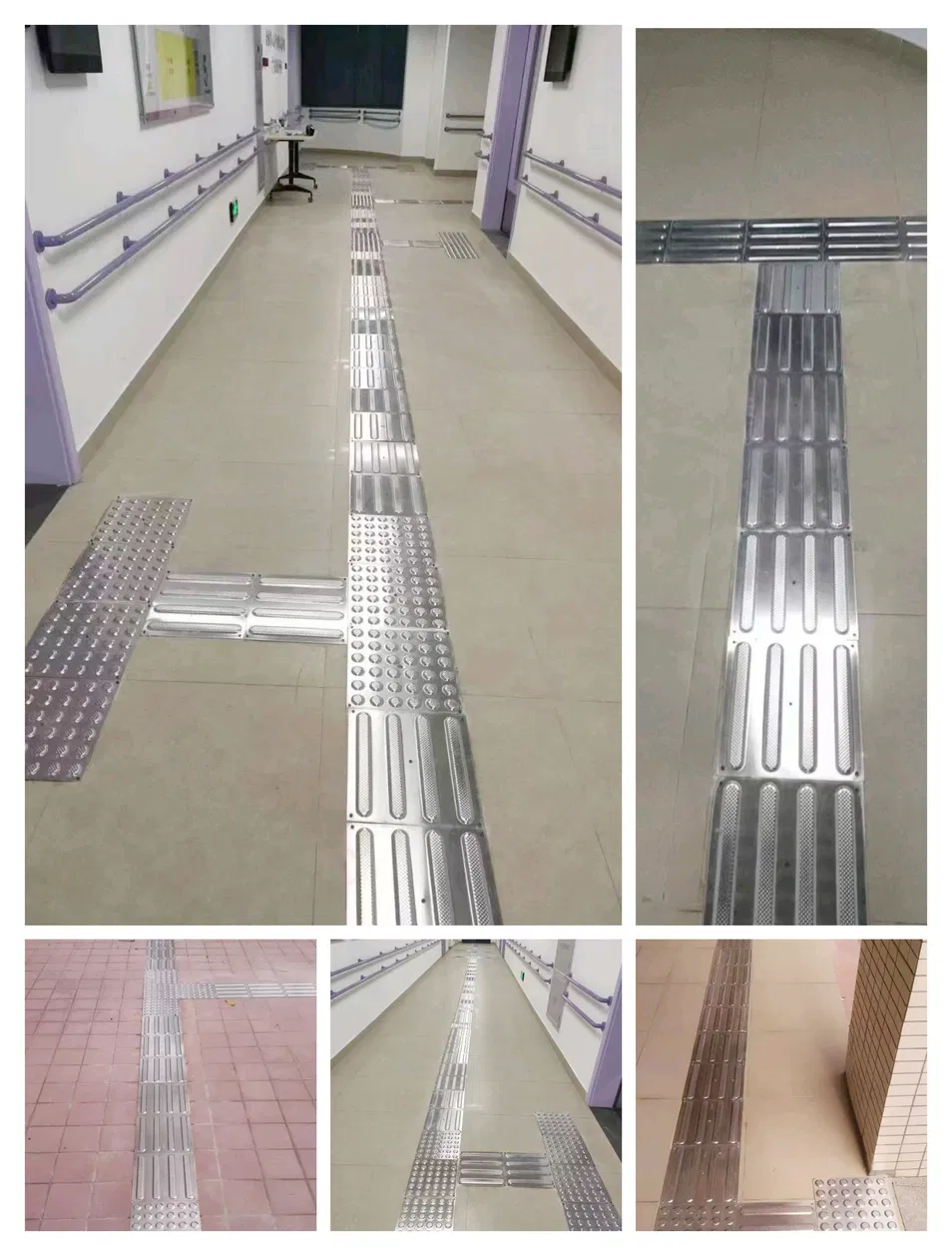
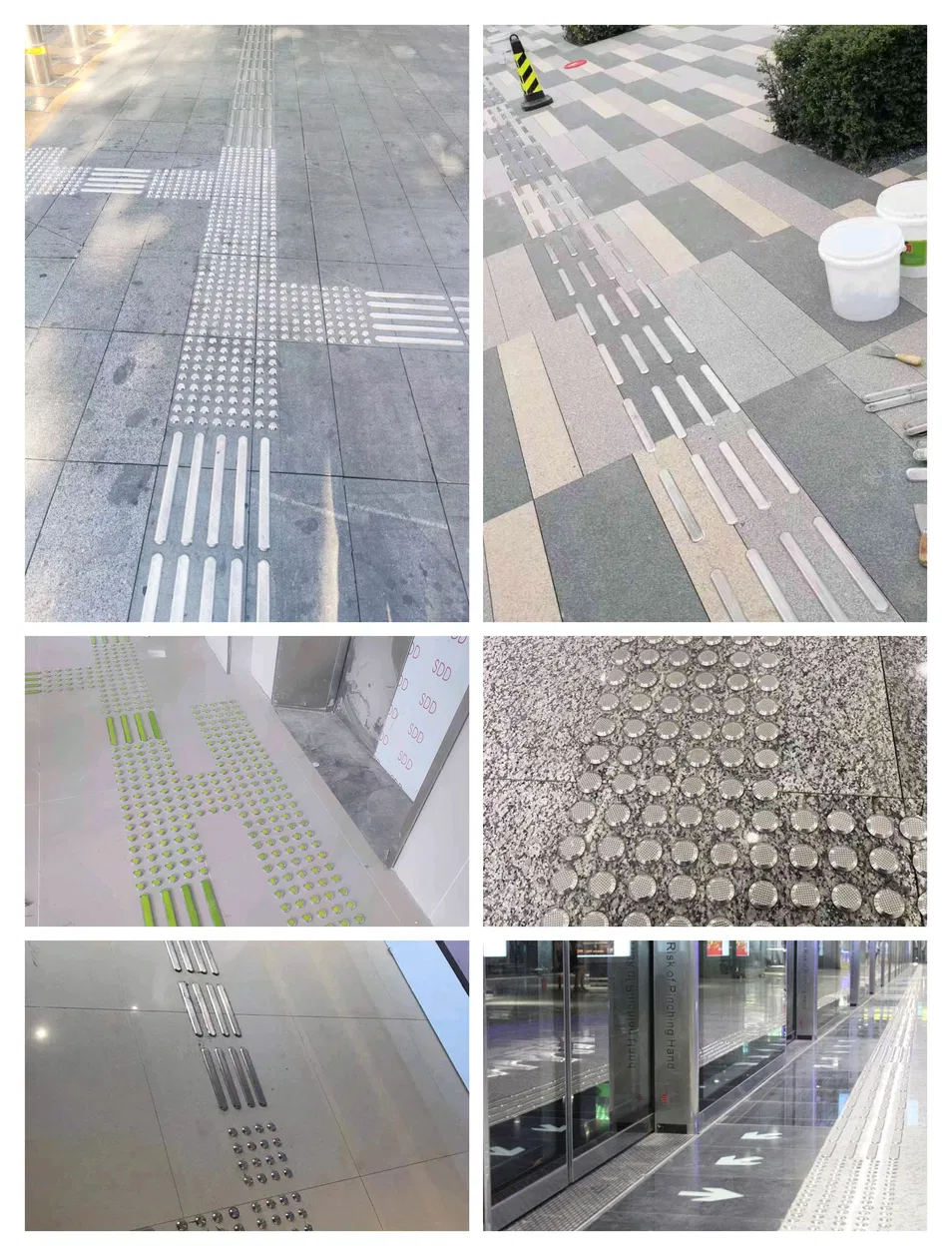
Our Stainless Steel Tactile Paving has been successfully installed in high-traffic public areas, including subway platforms, airports, and hospital corridors, ensuring safe and accessible navigation.
❓ Frequently Asked Questions
1. What are the main types of Stainless Steel Tactile Indicators?
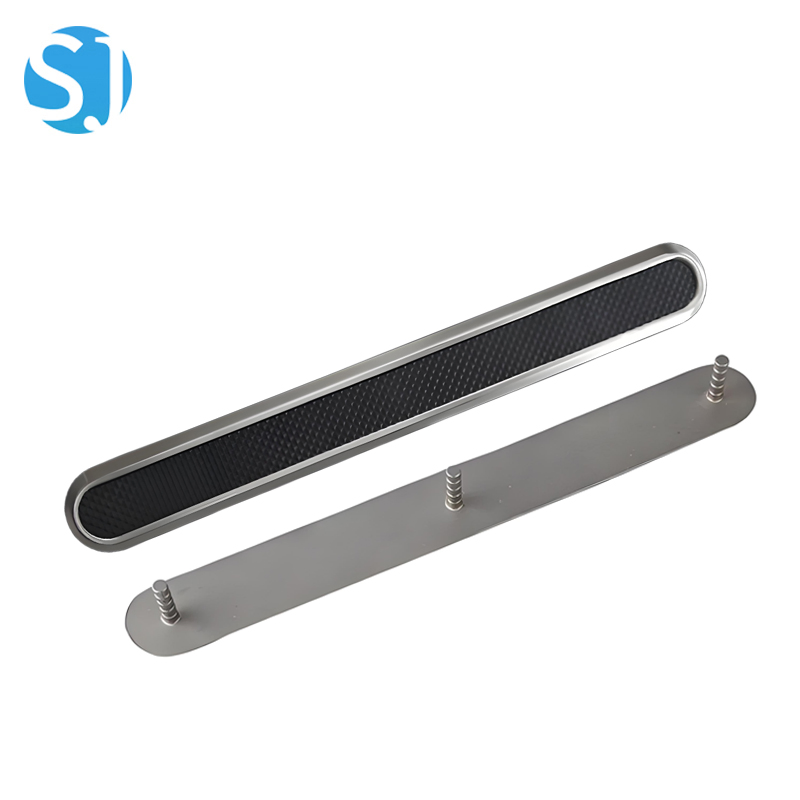
The series includes tactile studs (dot pattern) for hazard warning zones and tactile strips (bar pattern) for directional guidance paths.
2. Which materials are used for durability?
We use premium SUS304 or SUS316L stainless steel, which offers superior corrosion resistance and weather durability for both indoor and outdoor use.
3. What surface finishes are available for slip resistance?
Surface options include plain polished, checker diamond, ring grooved, linear grooved, carborundum insert, and PU insert finishes, achieving a P4 anti-slip performance rating.
4. On which surfaces can these tactile pavings be installed?
They are compatible with a wide range of substrates, including concrete, asphalt, stone, ceramics, wood, steel, and aluminum.
5. What are the common application areas?
Typical applications include subway and train platforms, airports, hospitals, shopping centers, pedestrian crossings, ramps, and stairways.
6. What installation methods can be used?
Indicators can be installed via pre-drilled mechanical fixing, adhesive fixing, or direct surface application depending on the project requirements.
 Rhynox Lighting