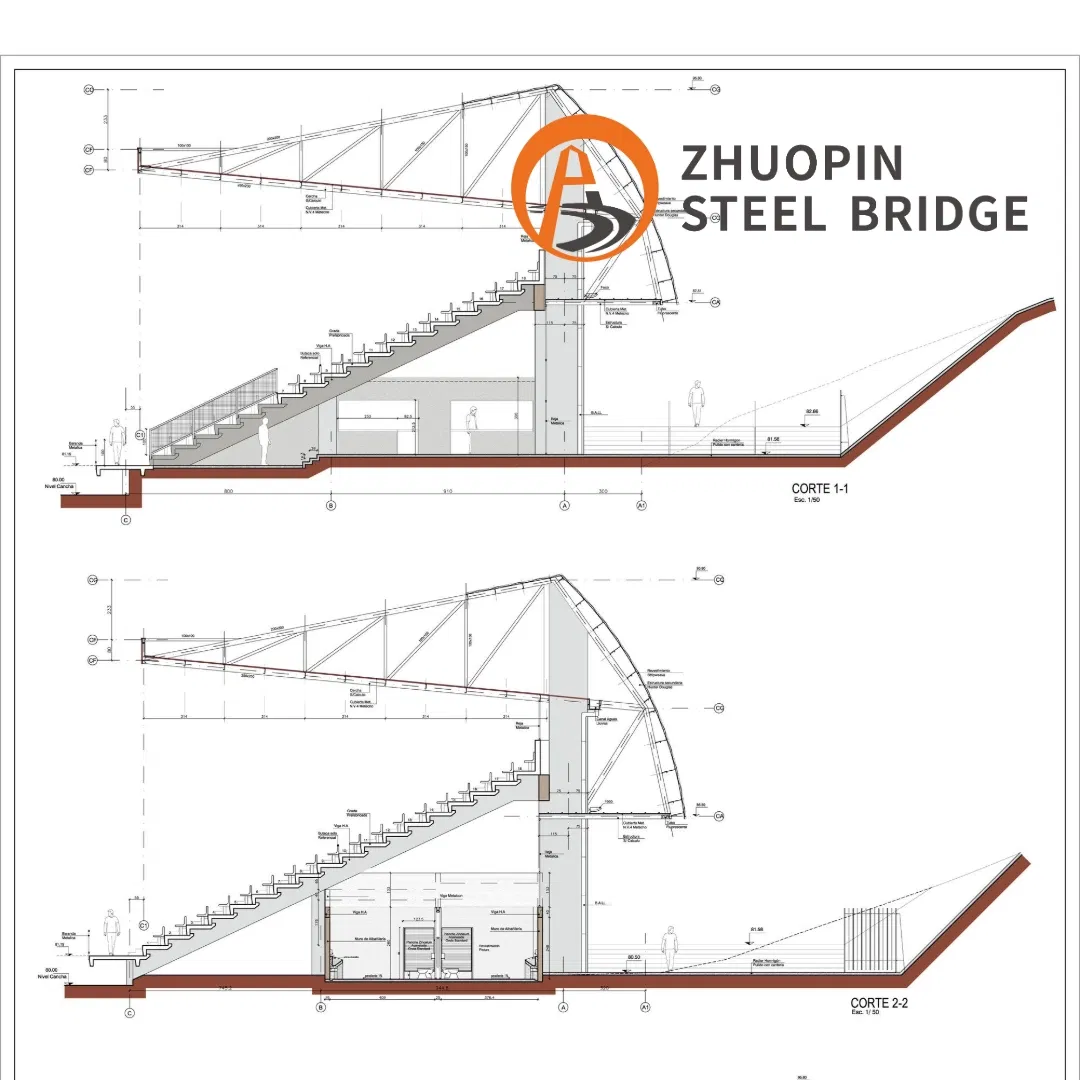
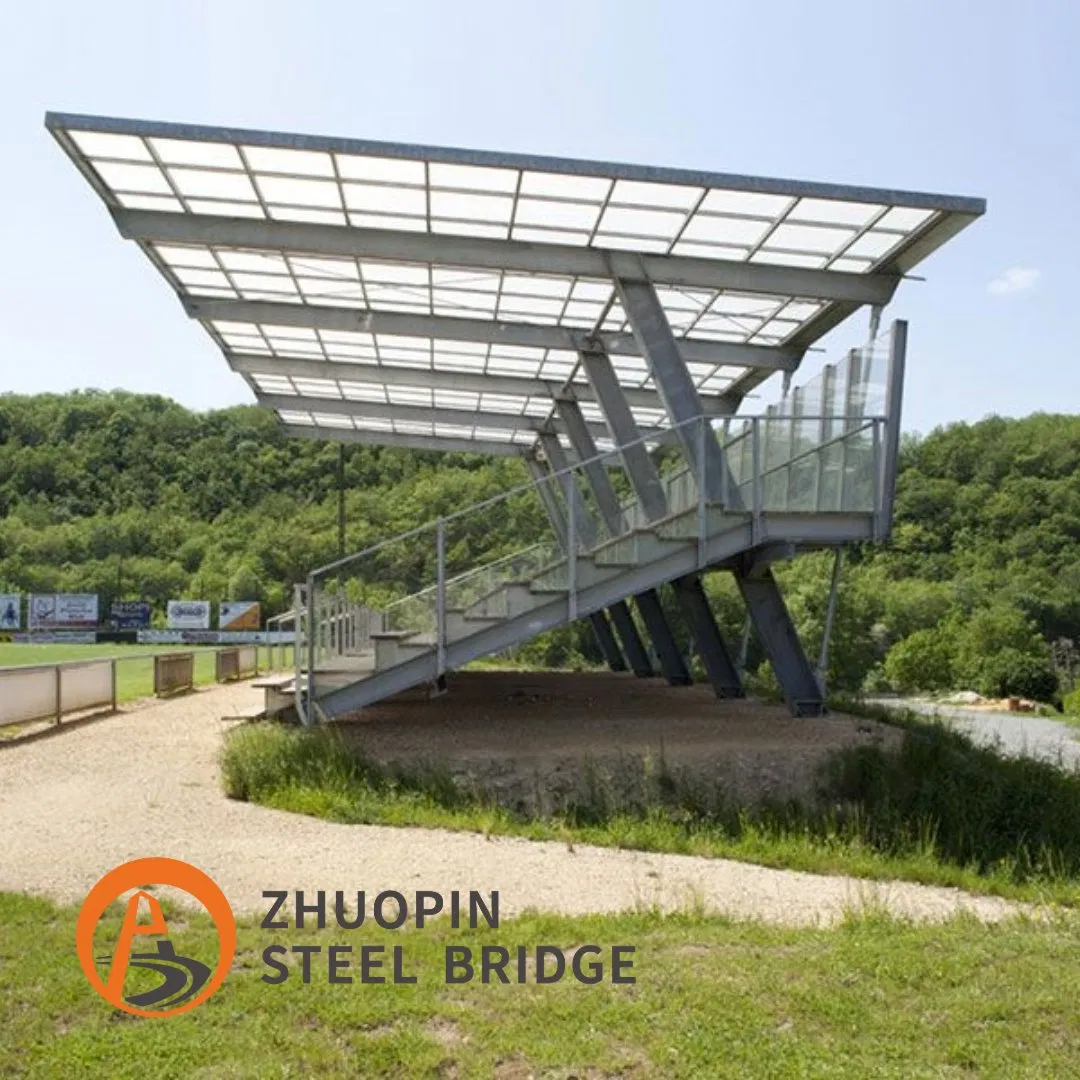
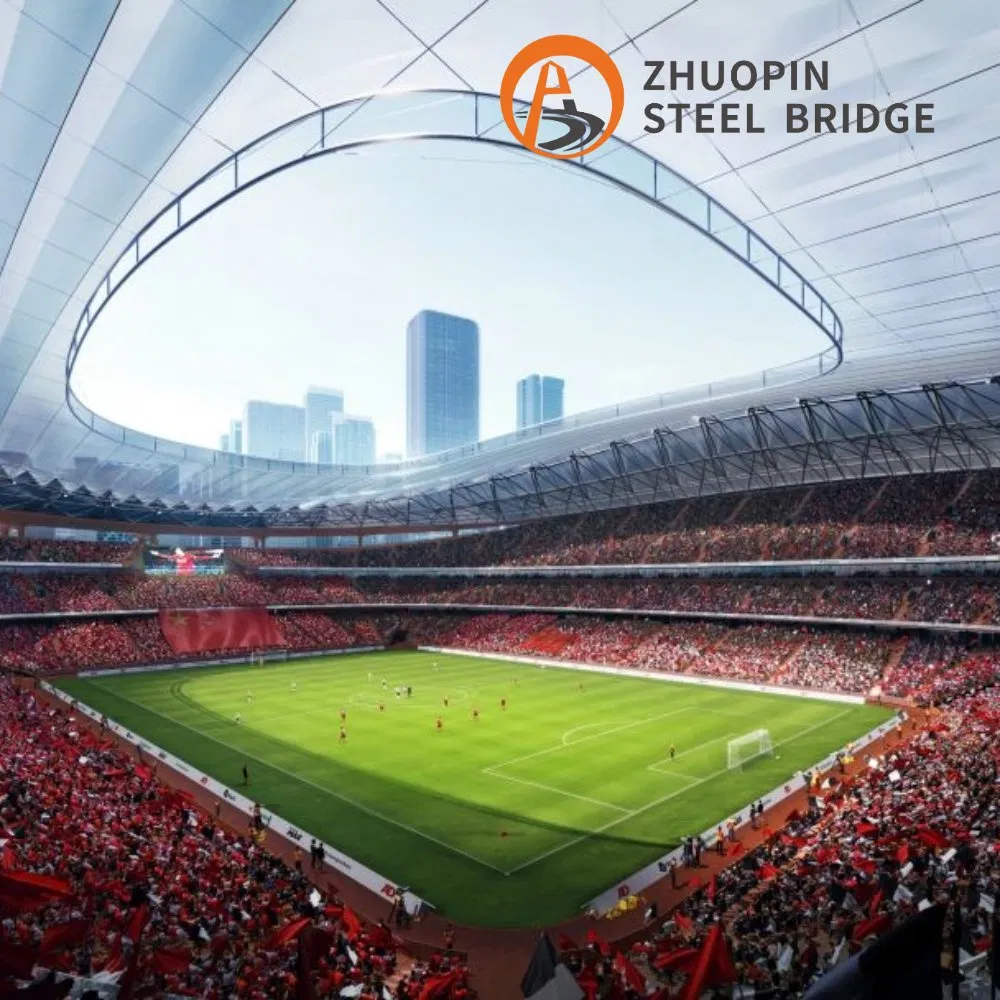
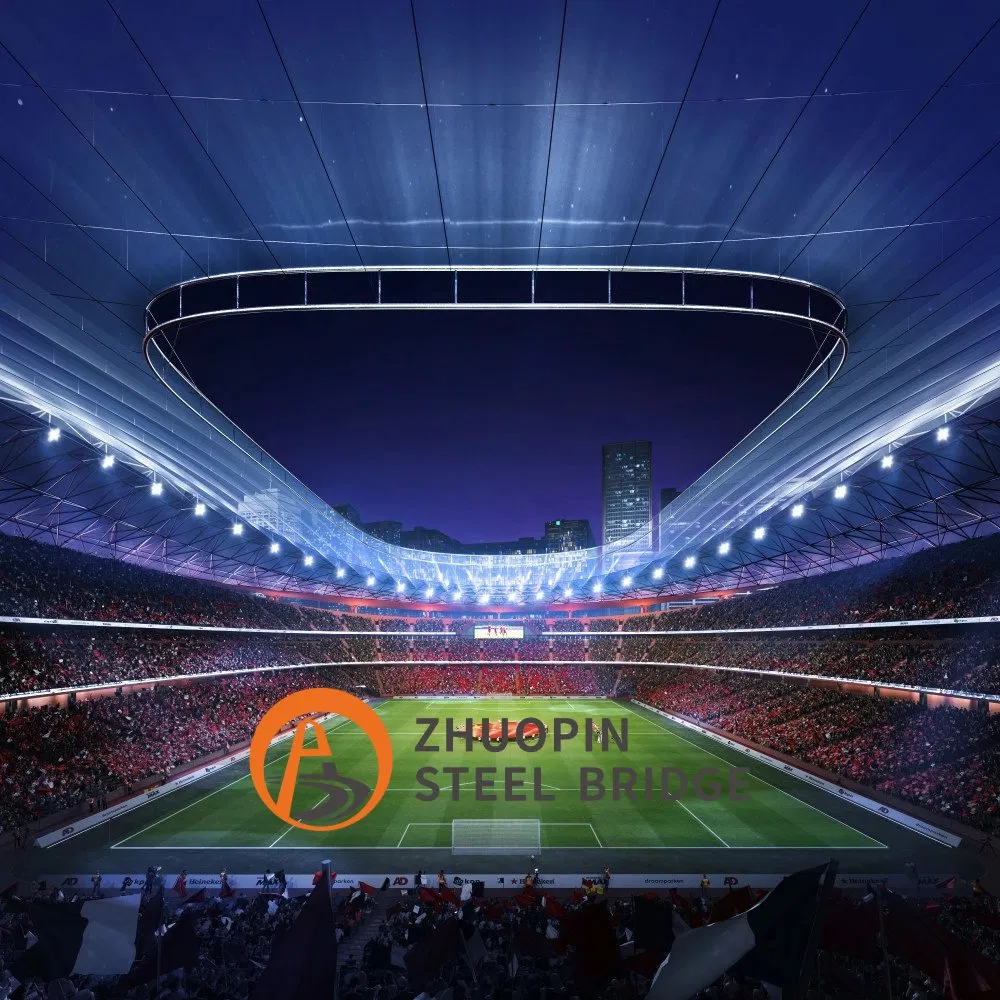
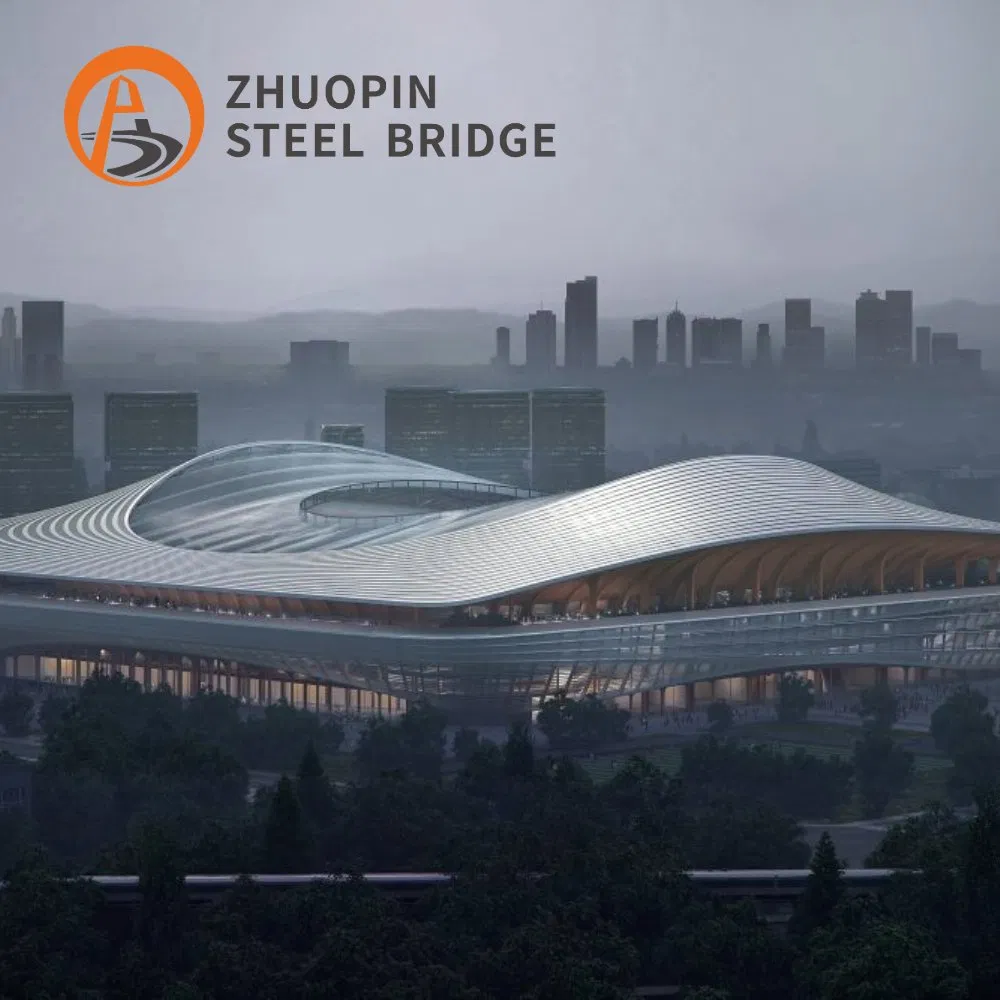
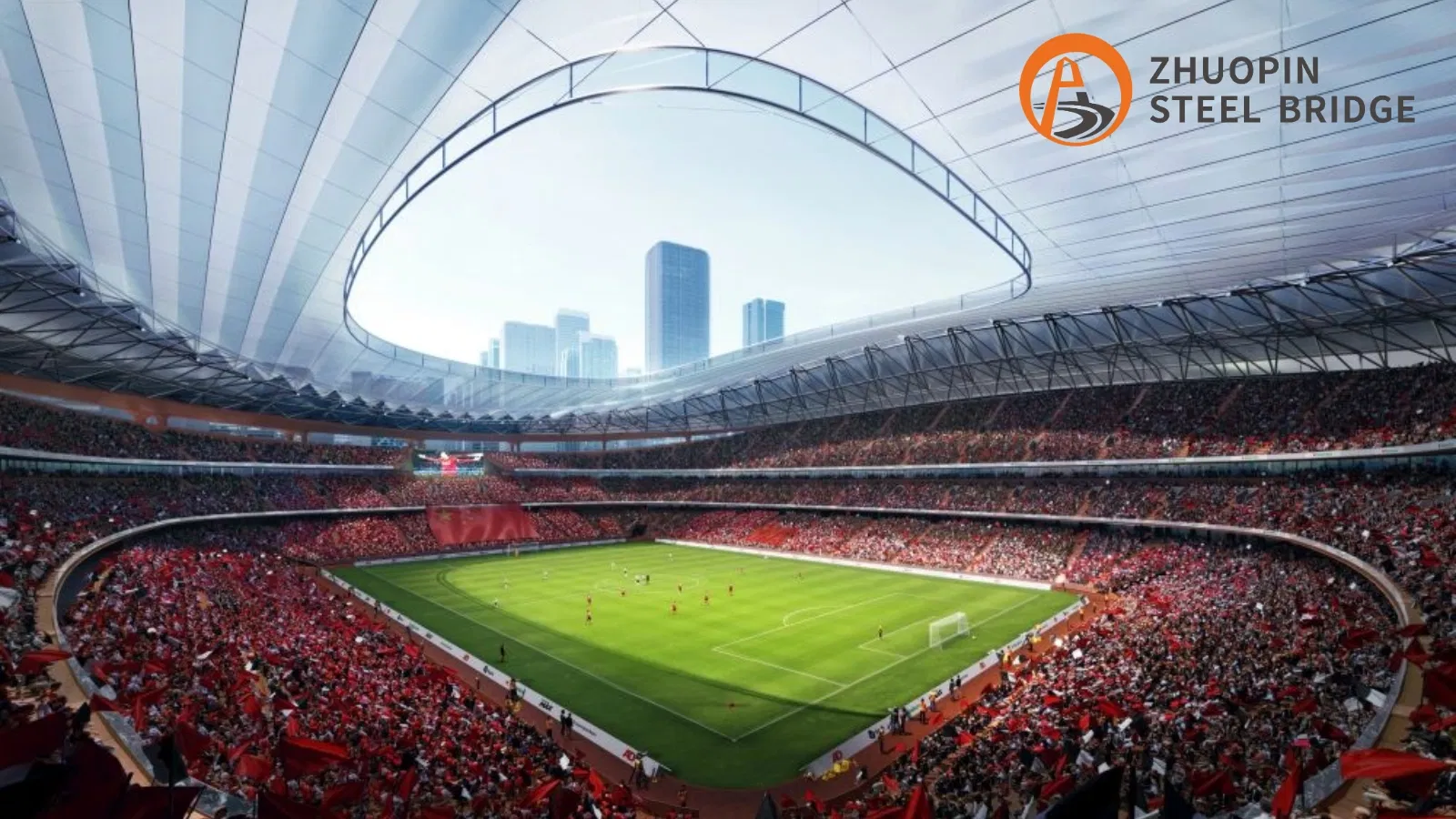
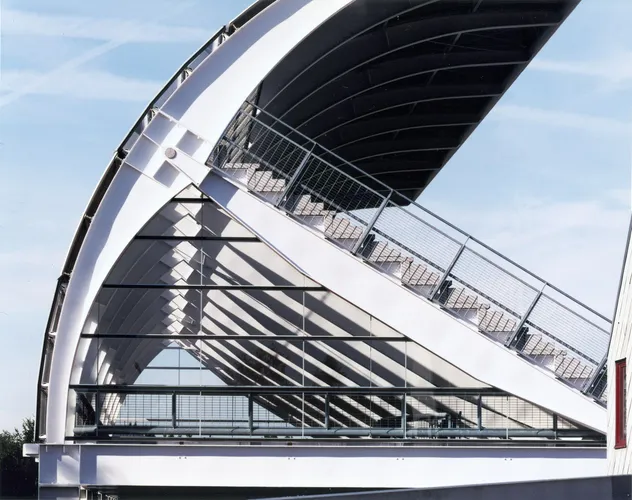
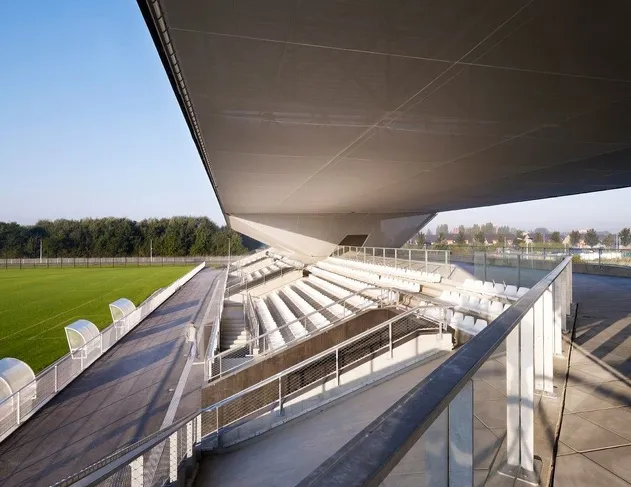
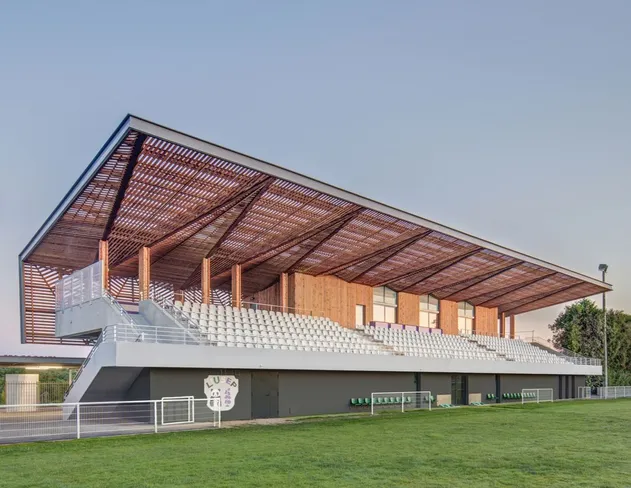
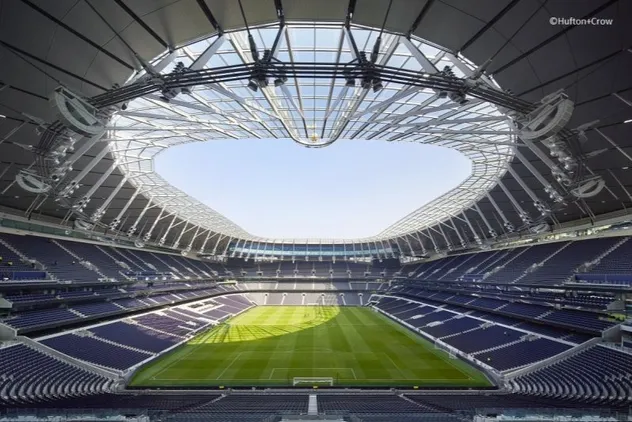
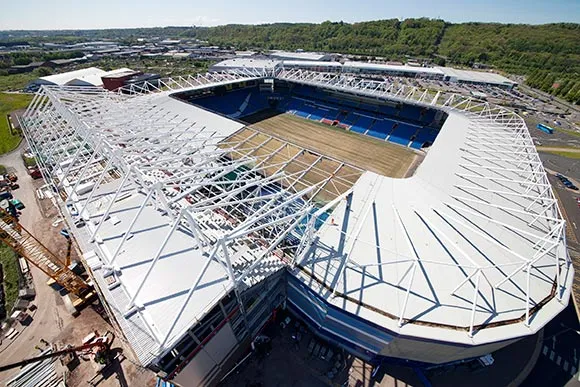
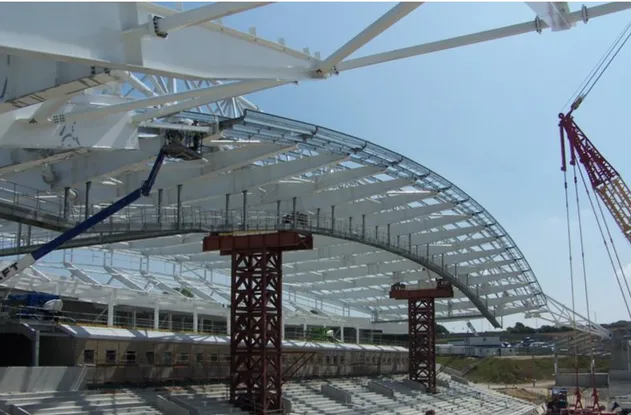
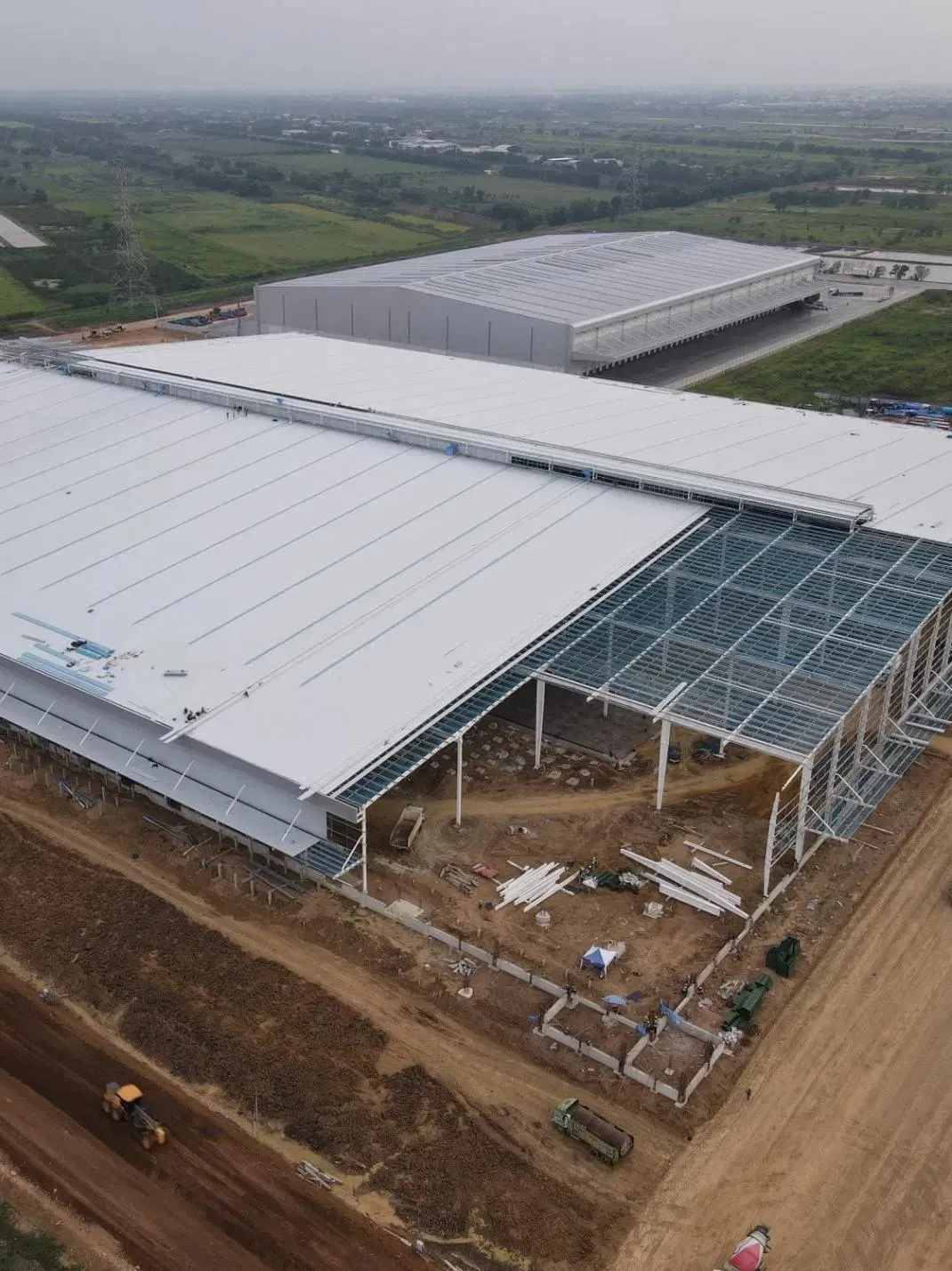
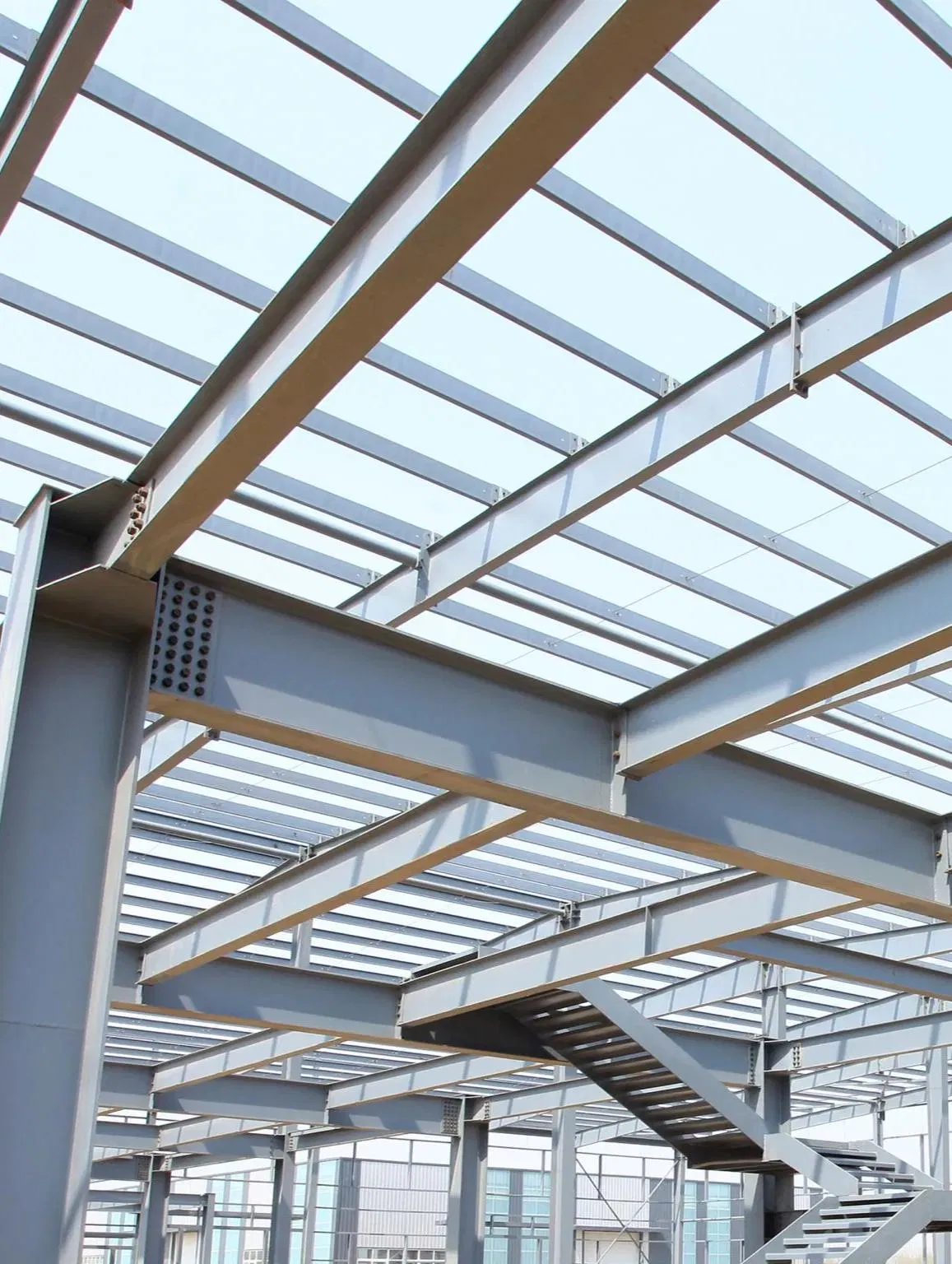
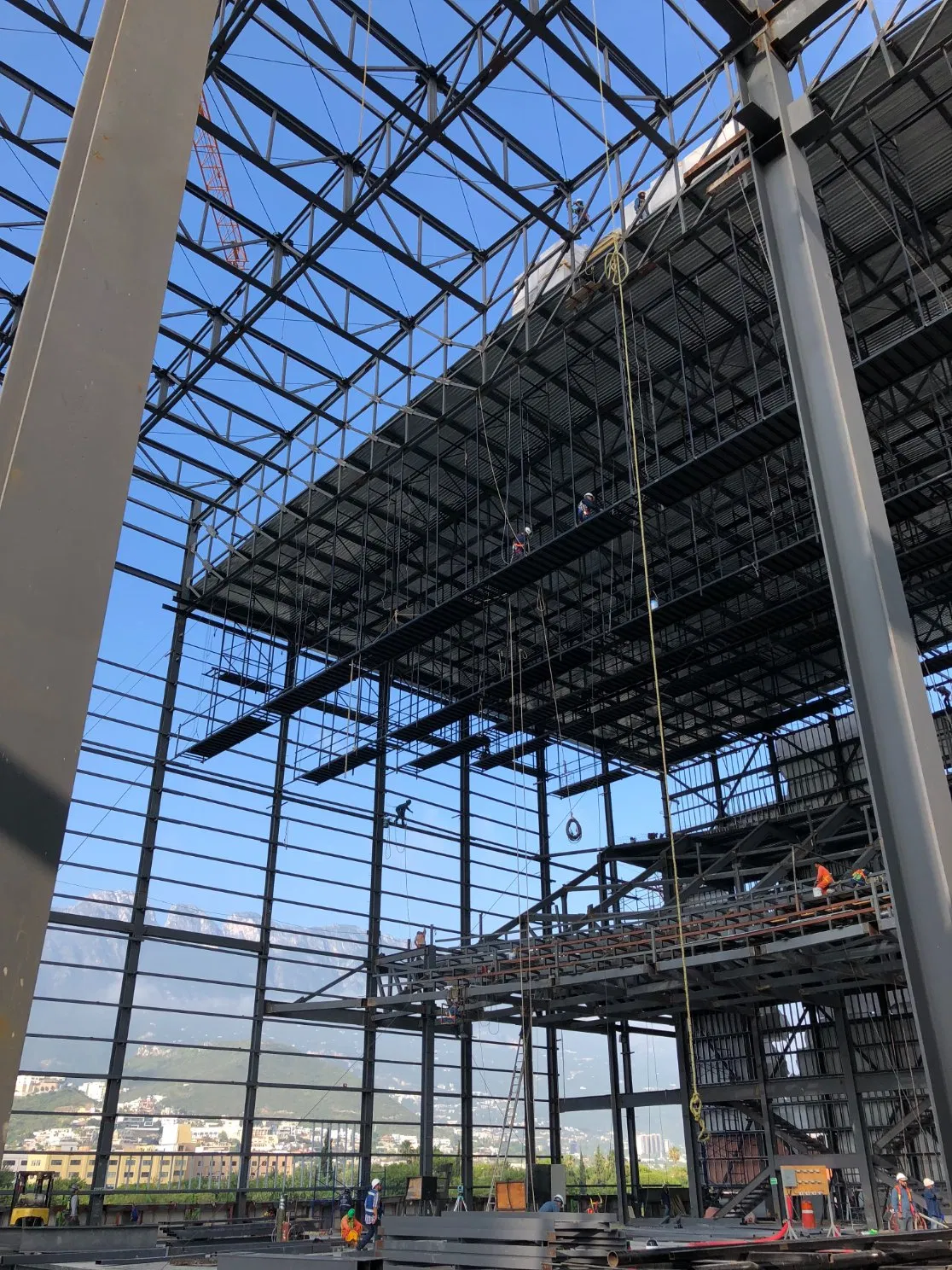
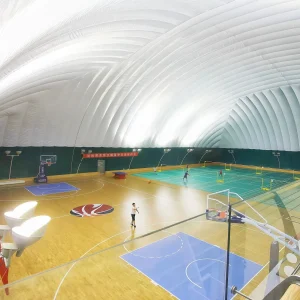
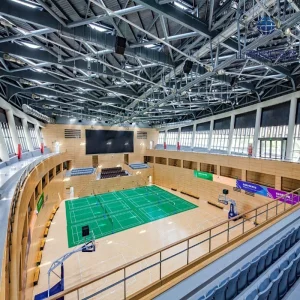
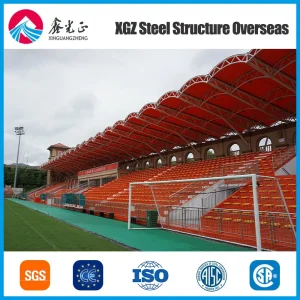
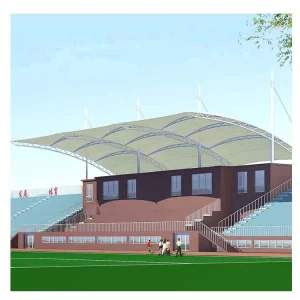
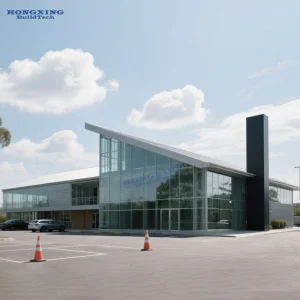
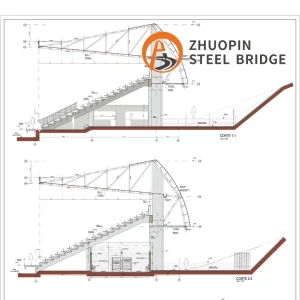
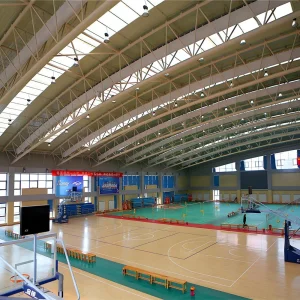
The attributes of steel construction are well adapted for leisure facilities and are routinely used to optimise the design. This is primarily because it offers a cost-effective solution for bespoke, architecturally-driven solutions such as stadia, as well as cost effective generic designs such as portal-framed sports halls. In addition, steel is a versatile and sustainable material which has an aesthetic appeal at both large and at small/detail-scale.
Stadium design is often governed by unique criteria such as local access routes, health and safety (including fire safety), as well as aesthetic and community considerations. A modern stadium operates as a multi-purpose venue offering conference facilities, concerts, restaurants and retail outlets. The flexibility offered by steel-framed solutions is ideal for these requirements.
Sustainability & Economic Attribution
Modern steel structures take advantage of the latest advances in automated fabrication and construction techniques. Steel scores well on all sustainability measures and addresses the 'triple bottom line' of economic, environmental, and social priorities.
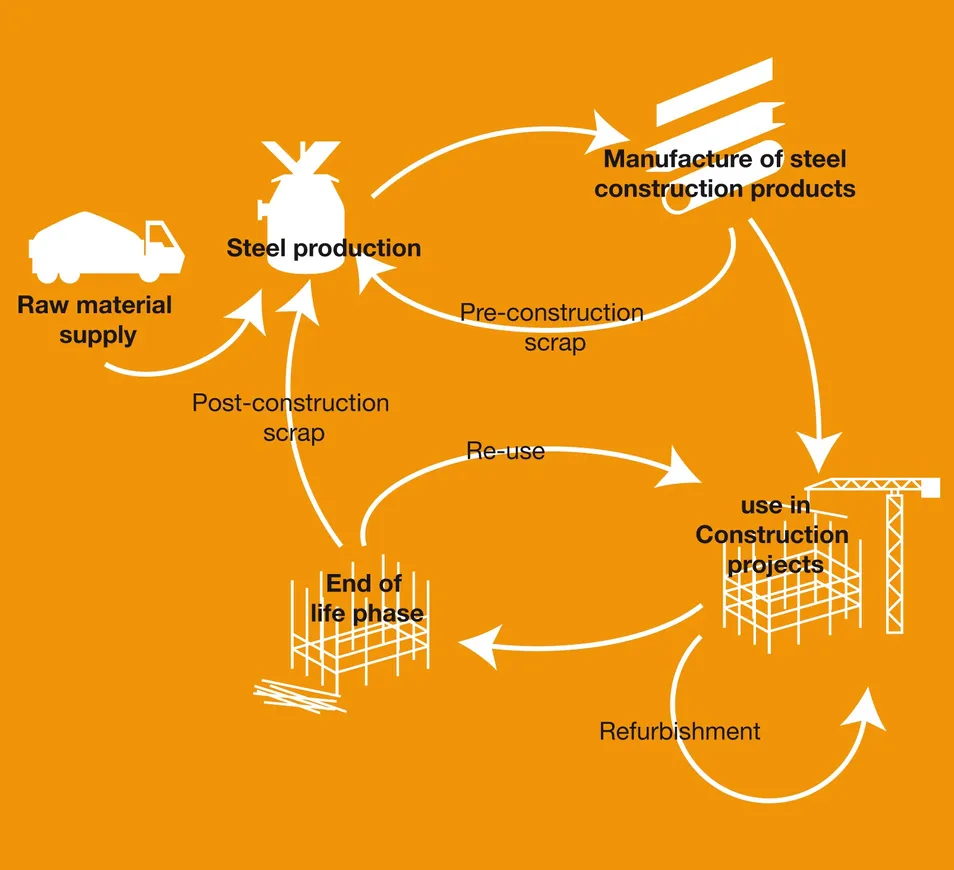
- Recycling and re-use - Minimum CO2 energy burdens - Minimum waste
Social
- Sustainable communities - Health and safety - Aesthetic appeal
Recycling Route Diagram
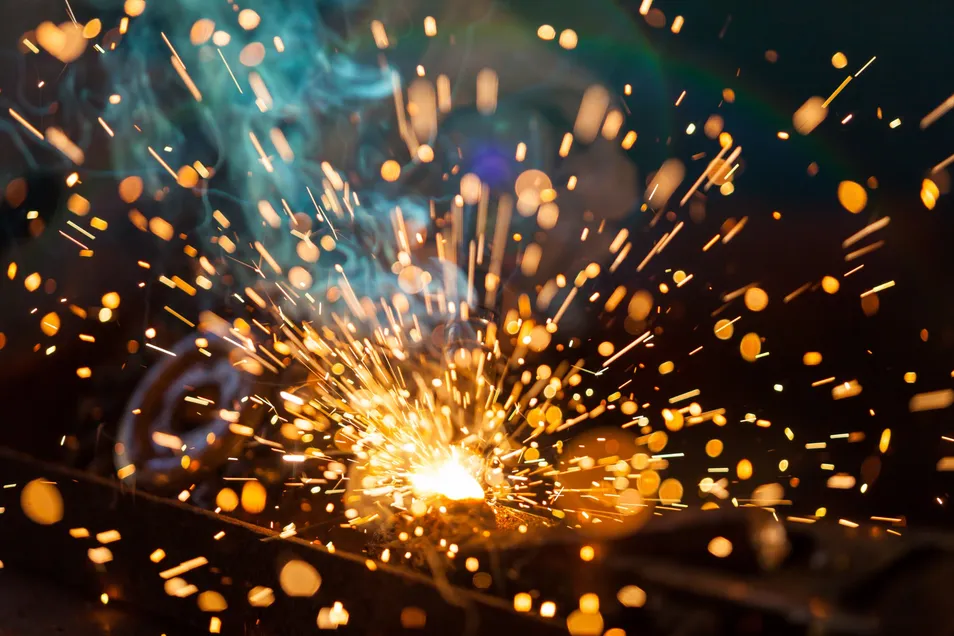
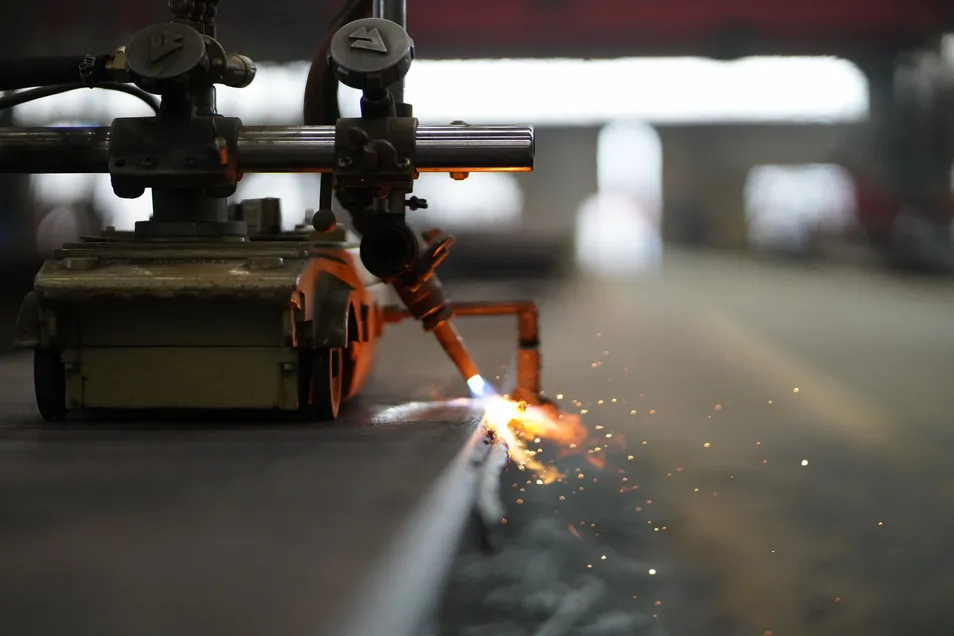
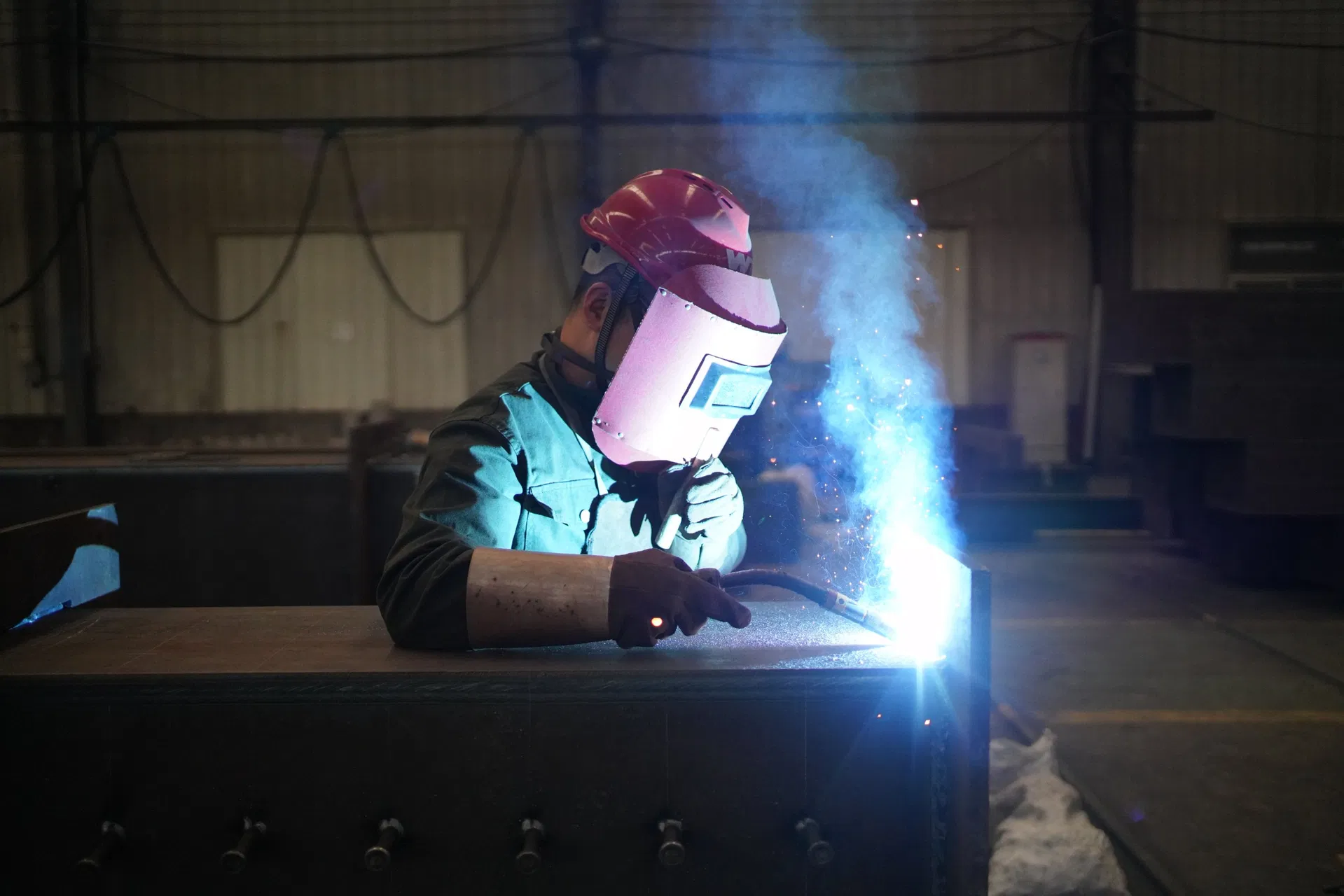
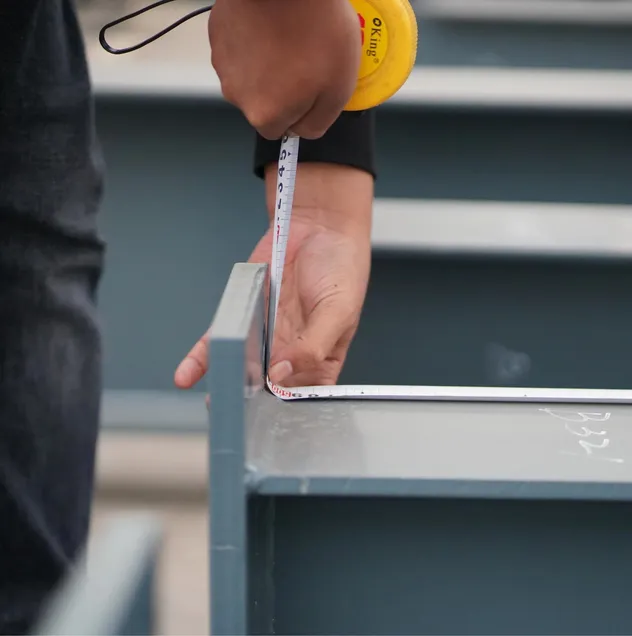
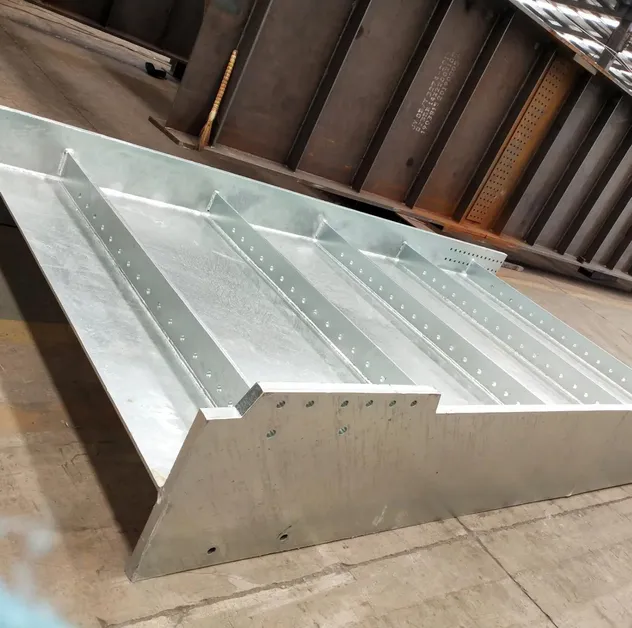
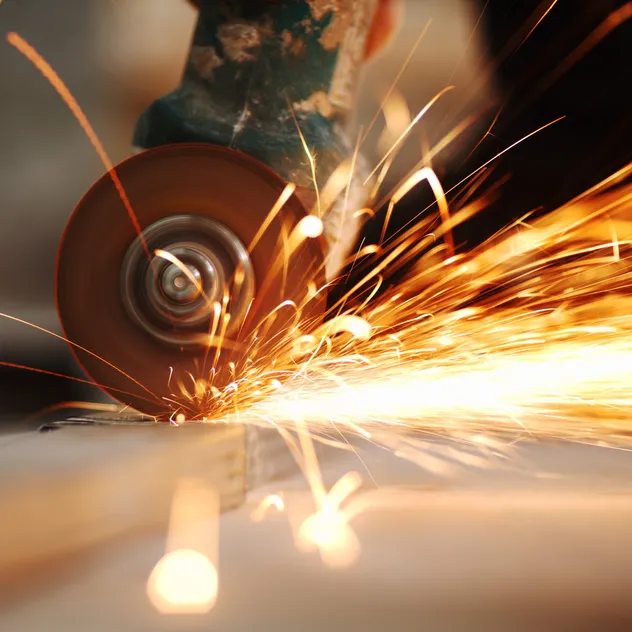
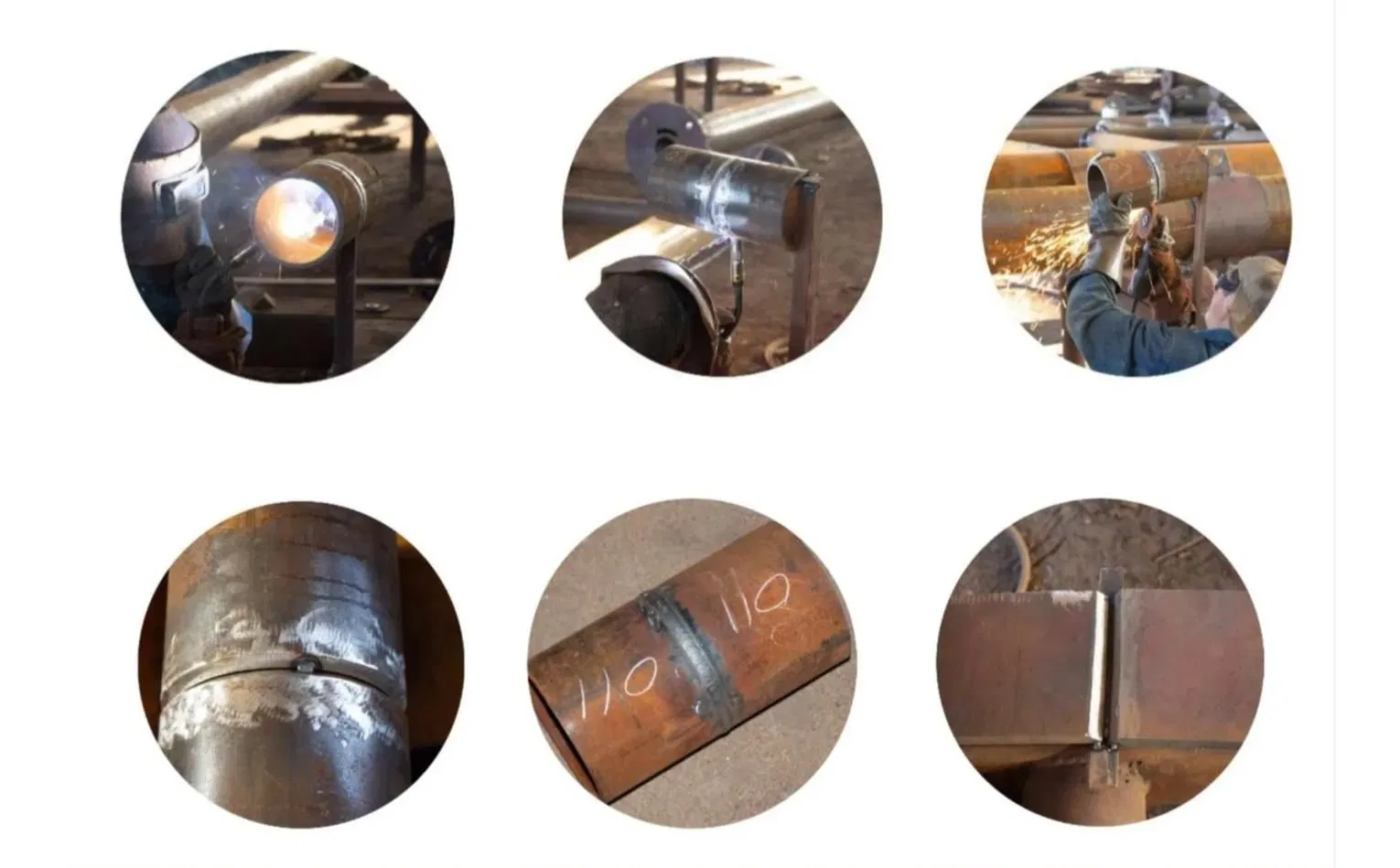
Steel Fabrication Show
With Excellent Skills and Equipment, Precisely Reaching Destinations
Applying advanced BIM 3D software for designing, detailing and modeling works.
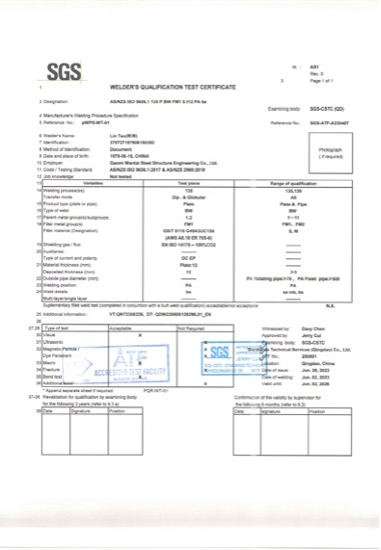
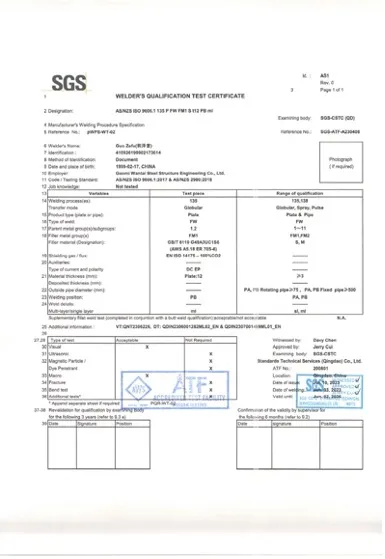
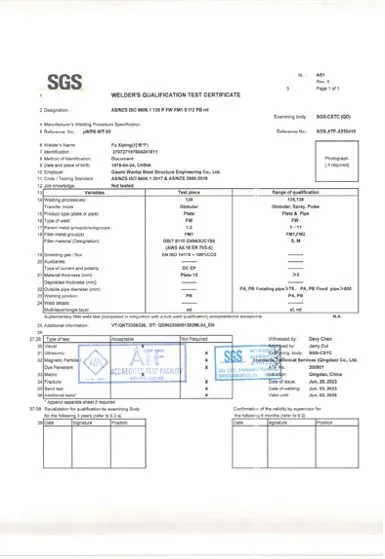
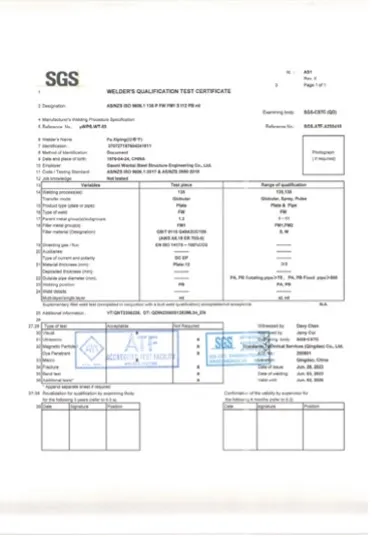
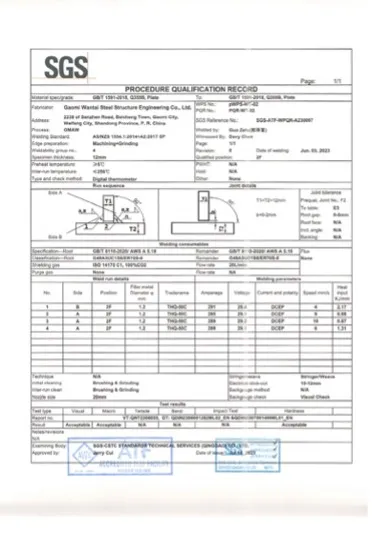
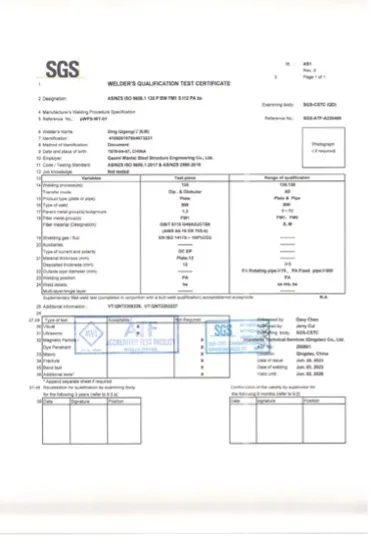
Welder Qualification WPS & PQR
ISO 9001:2008 - Quality Management System | ISO 14001:2004 – Environmental Management System | OHSAS 18001:2007 – Occupational Health Safety Management System
Frequently Asked Questions
What are the main advantages of using steel for sports stadiums?
Steel construction offers cost-effective, architecturally flexible solutions. It is highly durable, sustainable, and allows for large spans required in stadia while accommodating multi-purpose facilities like retail and restaurants.
How does steel structure contribute to environmental sustainability?
Steel is a highly recyclable material. Our steel construction priorities include recycling and re-use, minimum CO2 burdens, reduced waste, and lightweight construction methods.
Can these structures be adapted for different sports events?
Yes, the flexibility of steel-framed solutions makes them ideal for multi-purpose venues. They can be designed for baseball, football, soccer, and even non-sporting events like concerts and conferences.
What technologies are used in the design and modeling process?
We utilize advanced BIM (Building Information Modeling) 3D software for all designing, detailing, and modeling works to ensure precision and structural integrity.
What quality certifications do your steel structures meet?
Our systems comply with ISO 9001:2008 (Quality Management), ISO 14001:2004 (Environmental Management), and OHSAS 18001:2007 (Occupational Health and Safety).
Is the construction process disruptive to the local area?
Steel construction usually involves short on-site periods with much of the fabrication carried out off-site. This modular approach ensures minimum disruption to the surrounding community.
 Rhynox Lighting