Modern architectural requirements, smart city grid integrations, and industrial optimization strategies demand a radical evolution in projection and outdoor lighting systems. As global developers shift towards green initiatives and automated systems, the requirements for outdoor engineering have moved far beyond simple illumination metrics. Dynamic gobo technologies, high-efficiency optical control, structured facade wash parameters, and smart-sensor integration now represent the absolute baseline of high-value projects.
Through rigorous engineering frameworks and strategic supply-chain vertical integrations across China's leading manufacturing hubs in the Yangtze and Pearl River Deltas, suppliers are delivering next-generation optical performance. To maximize return on investment (ROI) and minimize operational disruptions, procurement directors require a comprehensive understanding of engineering quality controls, mechanical standards, and optical verification processes that distinguish world-class manufacturers.
Founded in 2018, Jiangsu Rhynox Lighting Co., Ltd. is a leading innovator and trusted developer of high-performance outdoor lighting systems. We specialize in engineering high-reliability systems for municipal roads, sports venues, maritime port terminals, and heavy-duty industrial environments.
With more than 10 years of engineering and manufacturing experience, we have established absolute transparency across the entire production and sourcing chain. By collaborating with top-tier OEMs across the Yangtze and Pearl River Deltas, we offer structural optimization, optical simulation, and rigorous reliability validation to clients across the globe.
All hardware systems are subjected to 36 rigorous test protocols prior to certification. These evaluations include high-rate thermal cycling (from -40℃ up to 85℃), 72-hour continuous burn-in, ingress validation, and salt-fog atmosphere testing to ensure optimal uptime in hostile operating conditions.
We offer complimentary lighting simulations using industry-standard platforms like Dialux and AGI32. This ensures exact calculations of lux distributions, beam angles, uniformity values, and glare indexes prior to manufacturing, avoiding installation re-works.
We protect investments using our "One-Light-One-File" digital tracking mechanism, chronicling components, batch numbers, and QC signatures. Supported by full-coverage product and installation liability insurance, alongside references from state-owned enterprises (SOEs).
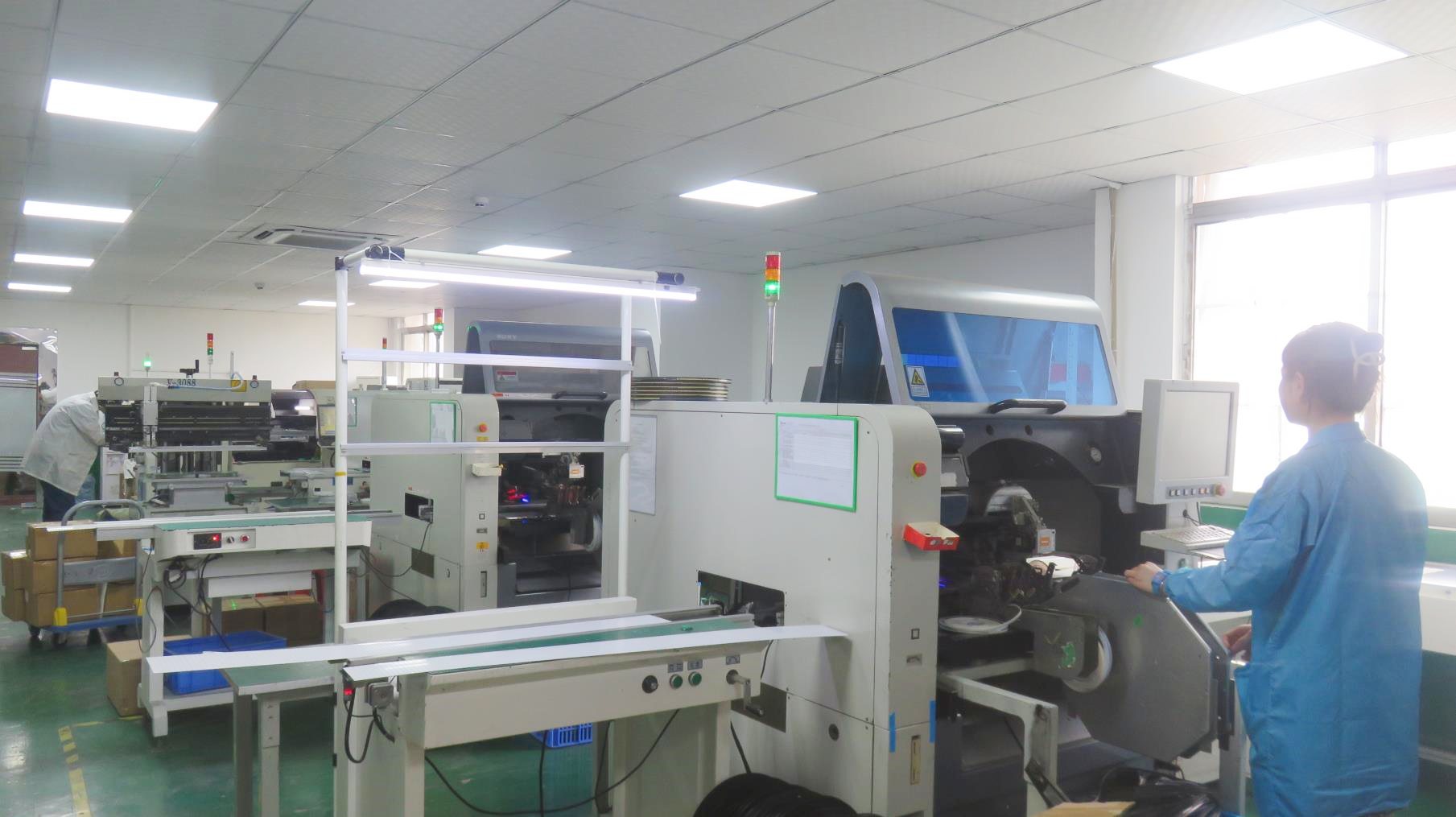
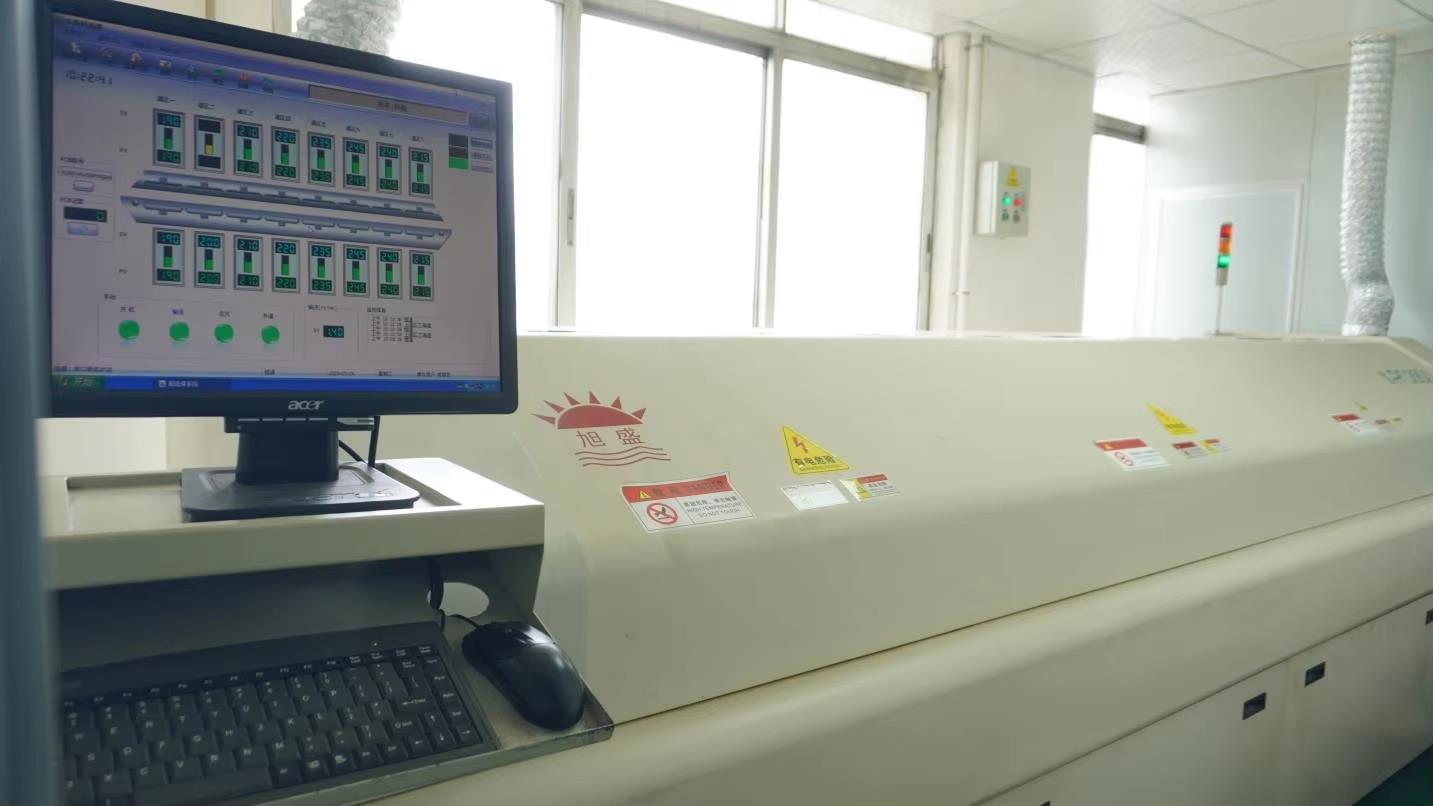
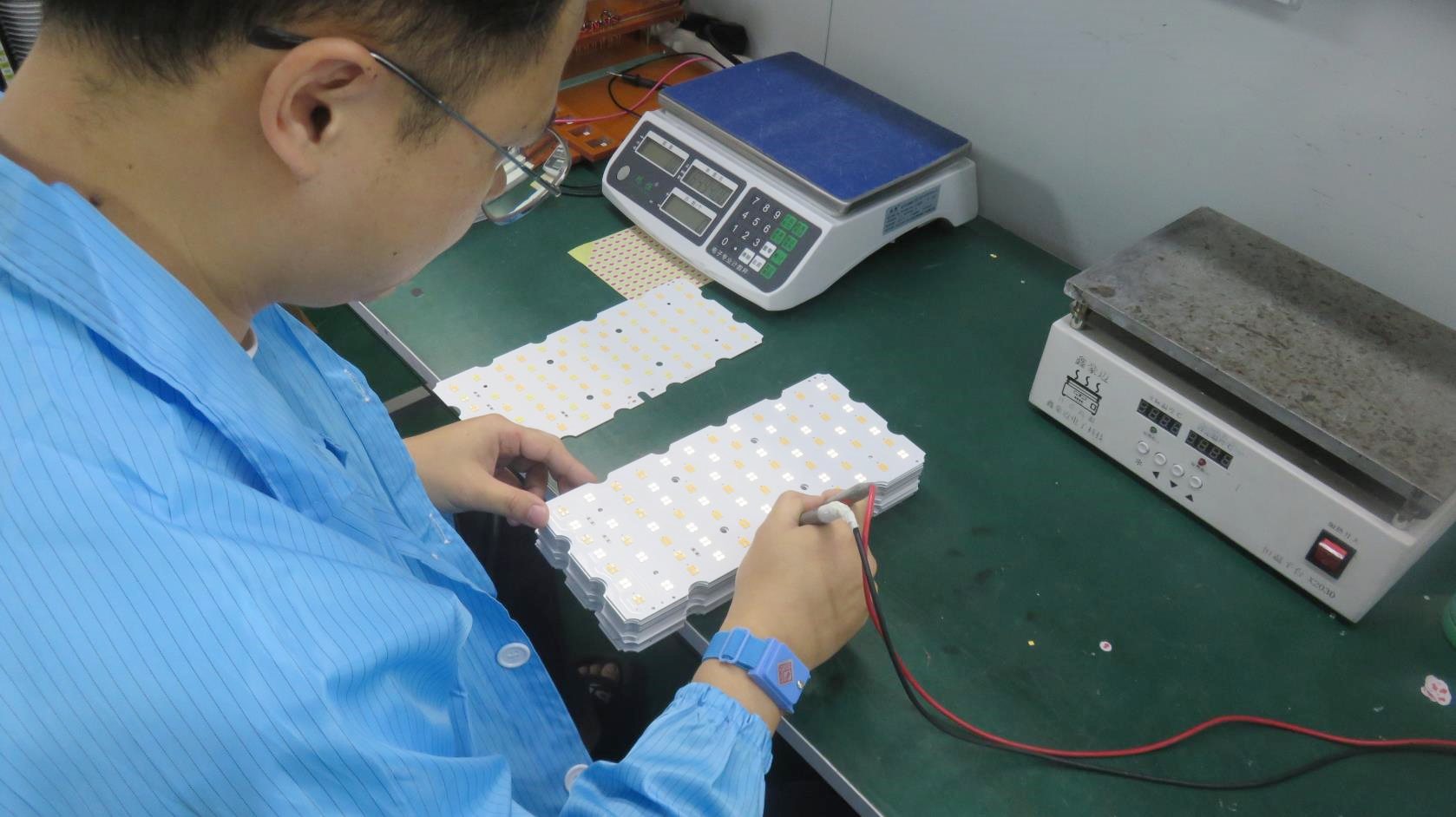
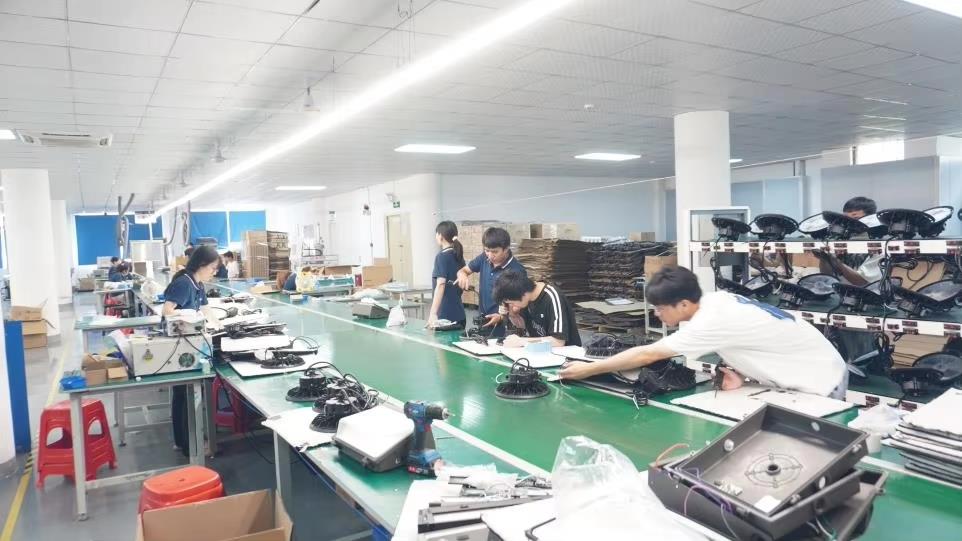
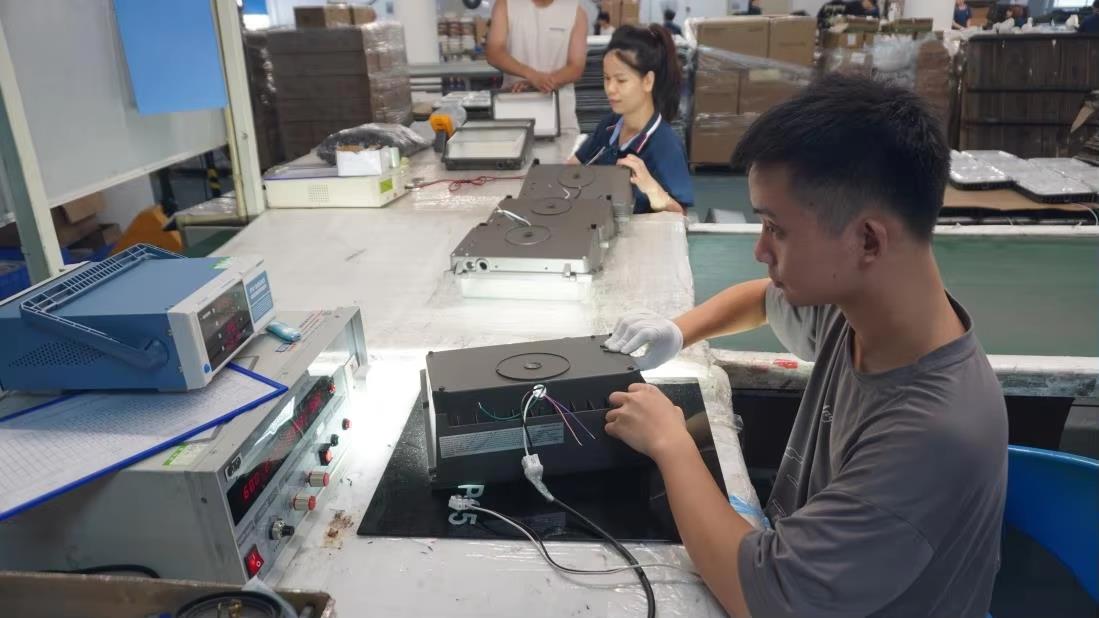
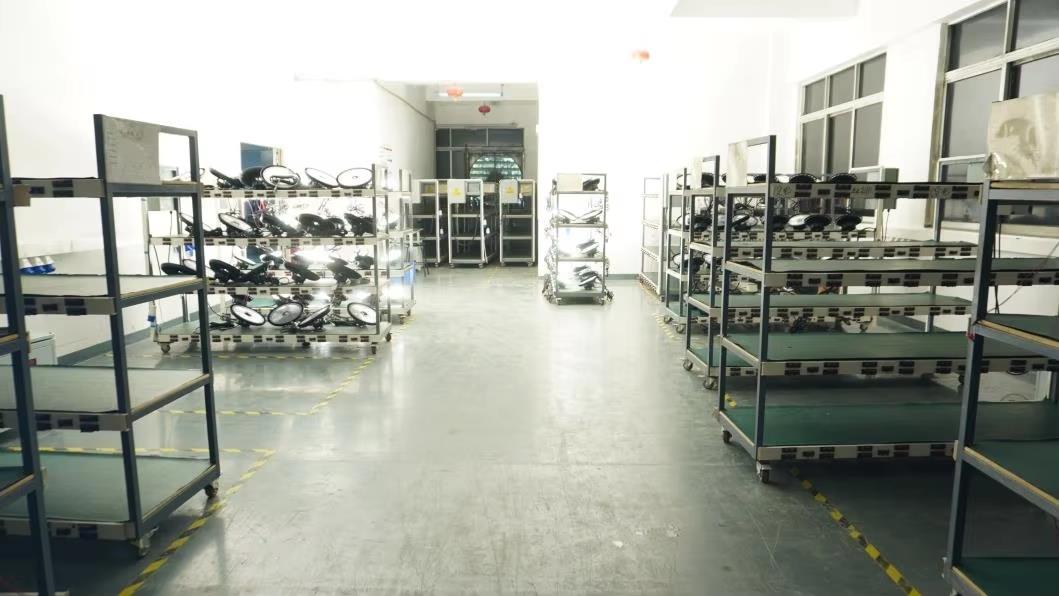
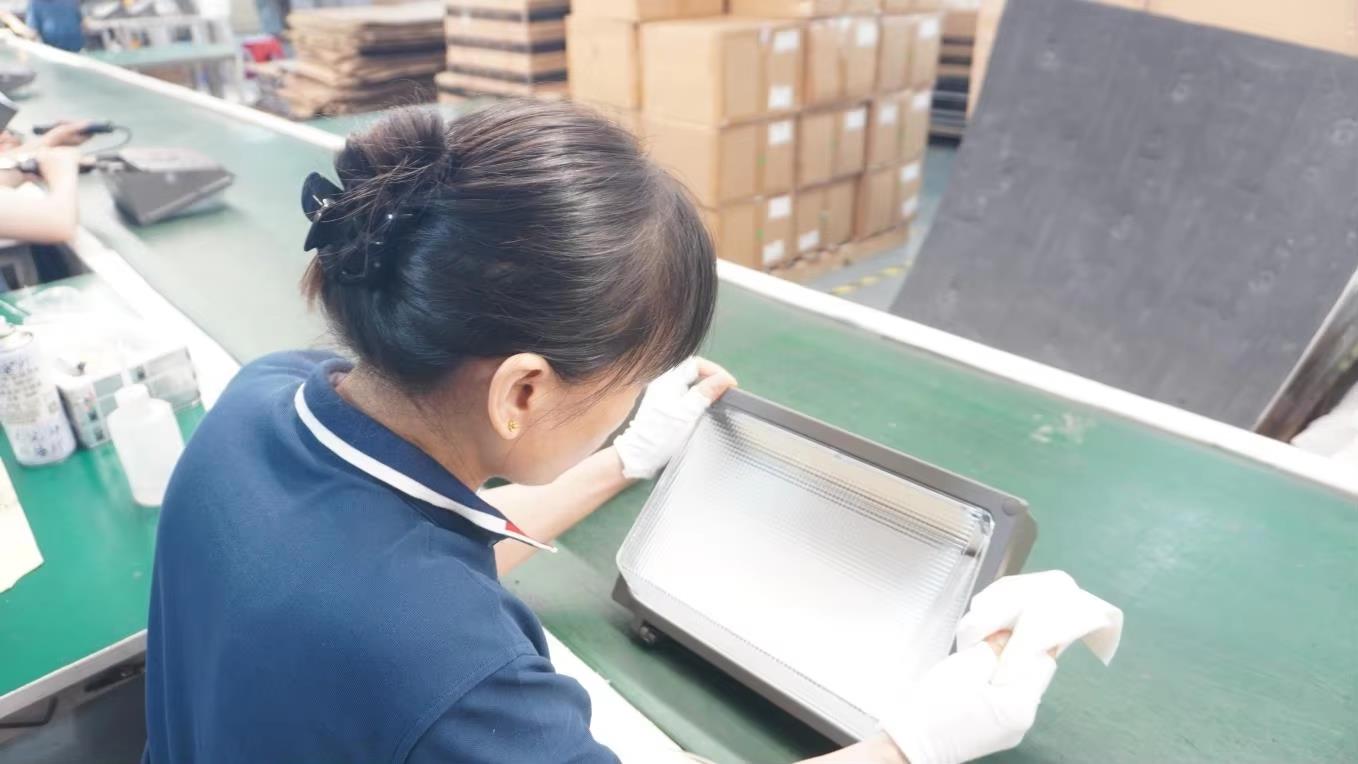
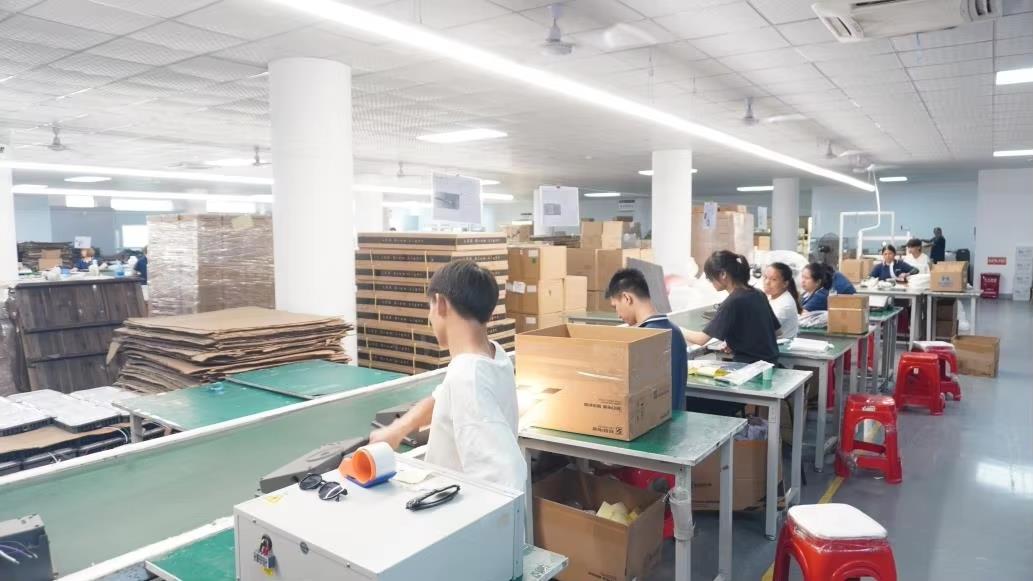
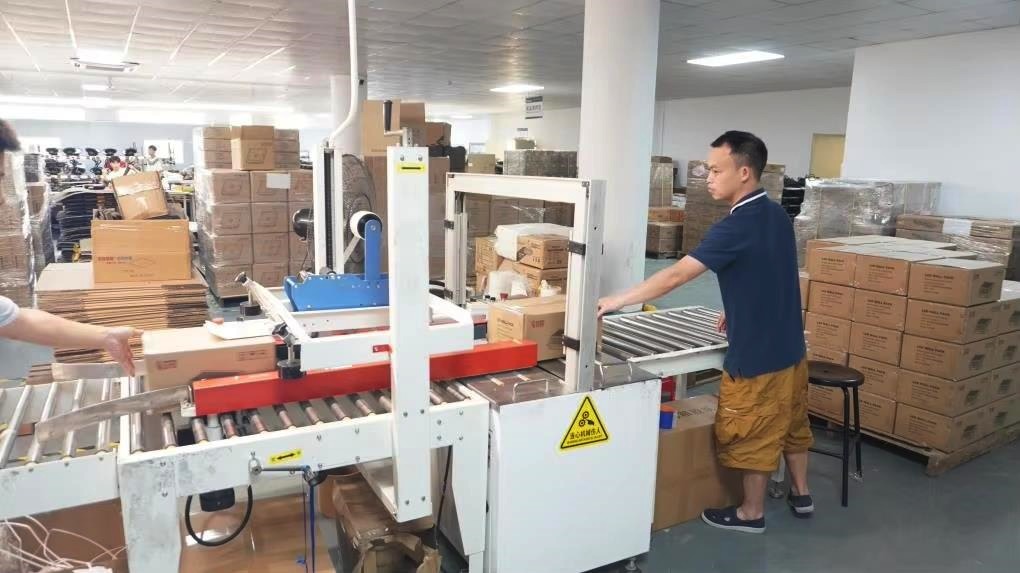
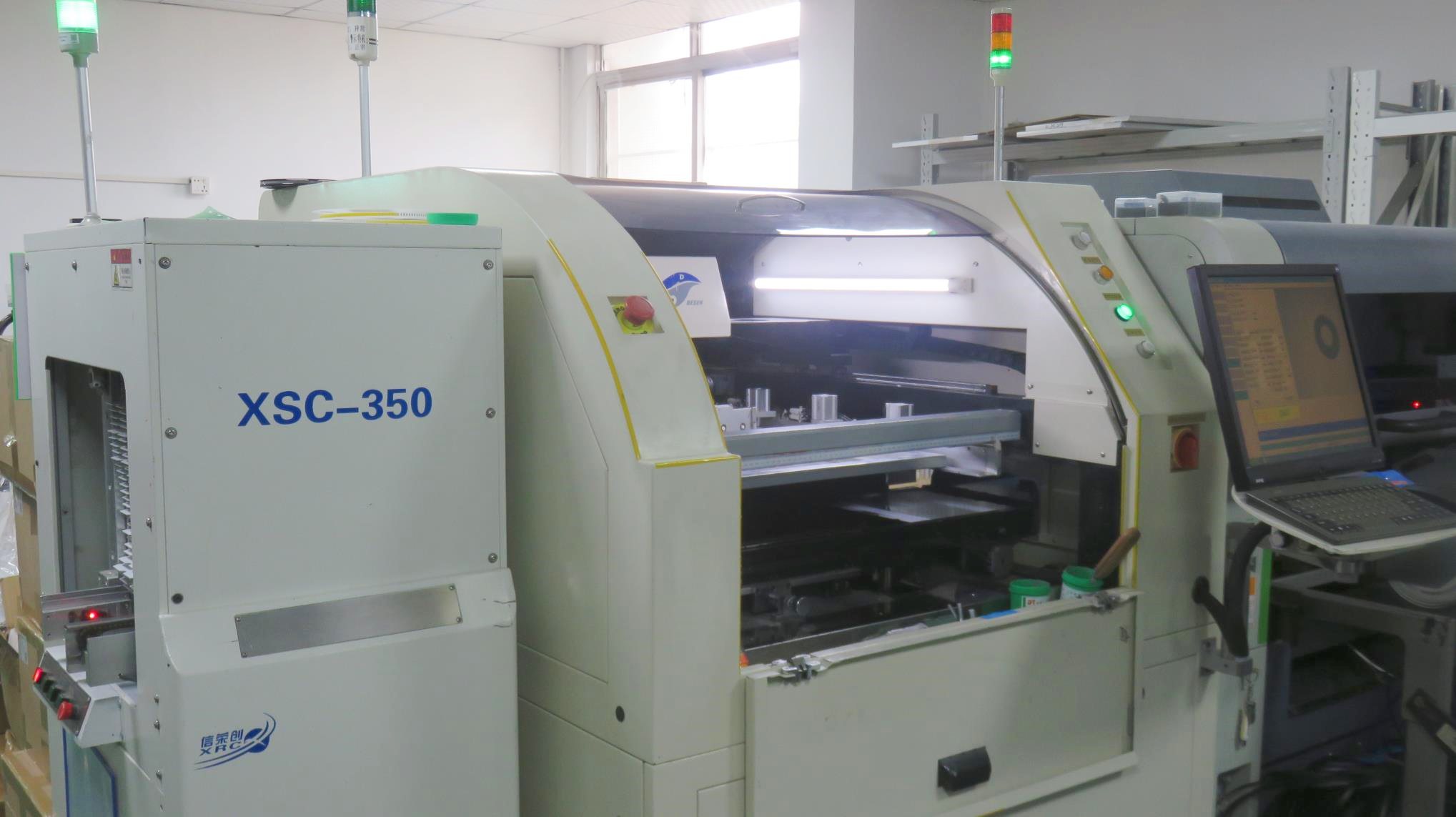
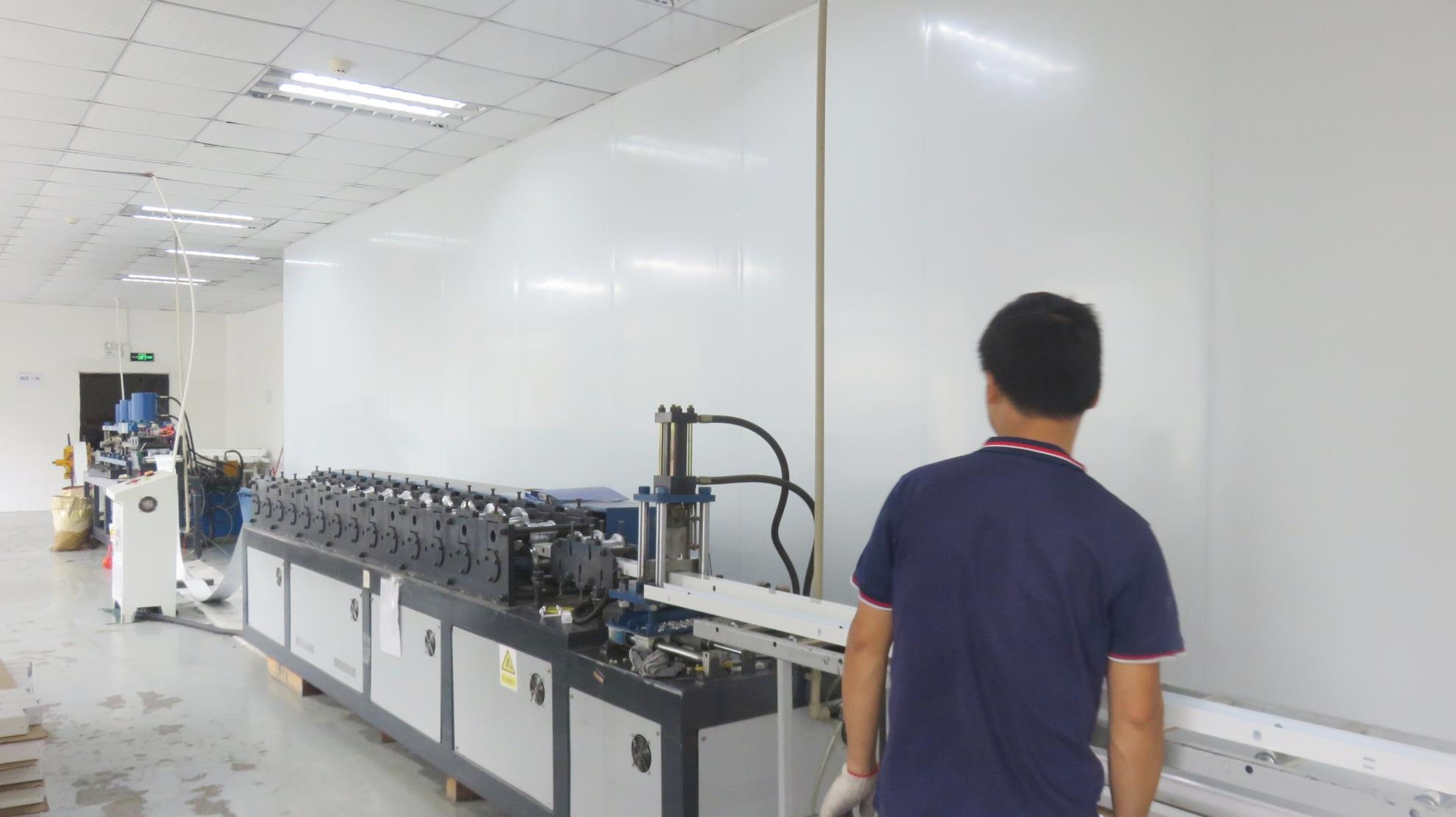
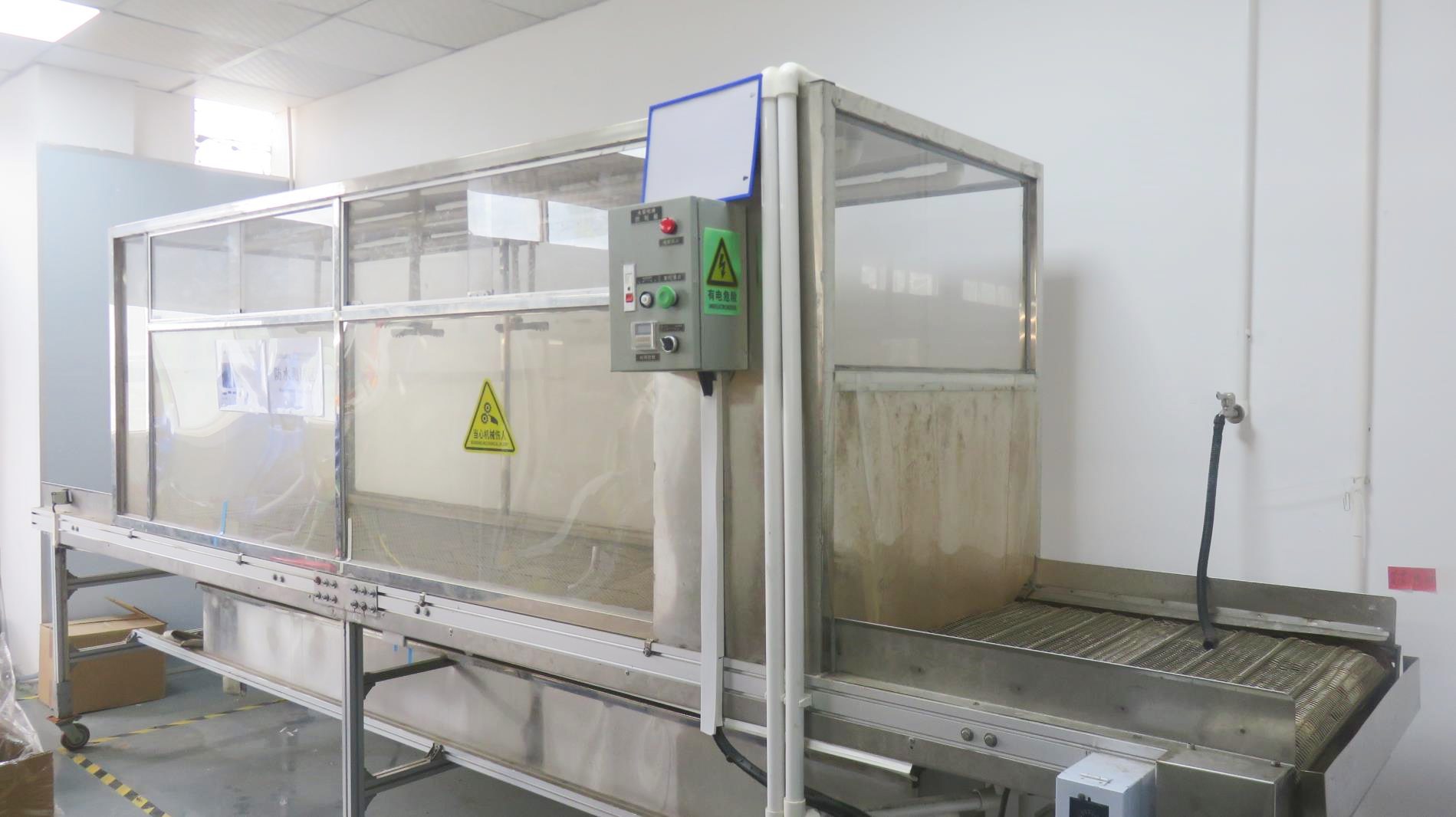
Our manufacturing pipeline is structured to ensure absolute conformity with structural integrity specifications and performance variables. By maintaining visual inspections at critical stages, SMT component alignment, reflow soldering, structural reinforcement, and packaging are carefully monitored.
The international lighting sector is undergoing rapid transformation, propelled by shifts in sustainability targets, smart city architectures, and breakthroughs in solid-state light engines. Procurement managers must factor these critical macro trends into their design and sourcing specifications:
Modern systems are evolving past isolated luminaires to serve as connected nodes within IoT smart city networks. Integrating communication protocols like DALI-2, Zigbee, and LoRaWAN allows operators to access real-time diagnostic reports, schedule automated dimming sequences based on foot traffic, and monitor power metrics remotely.
Increasingly stringent dark-sky regulations demand minimal light pollution and zero upward light output. Advanced optical lens arrays and customized shield assemblies target light with surgical precision, reducing stray scatter and maximizing useful lux-per-watt values on the ground.
As systems increase in output density, dissipating heat effectively becomes paramount. Manufacturers are incorporating high-grade die-cast aluminum enclosures with multi-channel convective channels, liquid-cooling structures, and phase-change interface materials to keep diode junction temperatures well below critical limits.
To optimize energy footprints, design targets are pushing past 160 lm/W for street and highway configurations. For high-visibility areas like public plazas and sports venues, maintaining a high Color Rendering Index (CRI Ra > 80) is essential to preserve color accuracy and visual depth under artificial illumination.
Jiangsu Rhynox Lighting Co., Ltd. delivers comprehensive design assistance and technical consulting, bridging the gap between raw hardware manufacturing and field installation. Our team addresses systemic project requirements through robust workflows:
From high-bay warehouses and maritime port terminals to dynamic urban landscapes, we configure custom optical profiles. Our solutions include narrow-beam spot configurations for high-contrast architectural accents and wide-angle lenses optimized for uniform roadway and warehouse coverage.
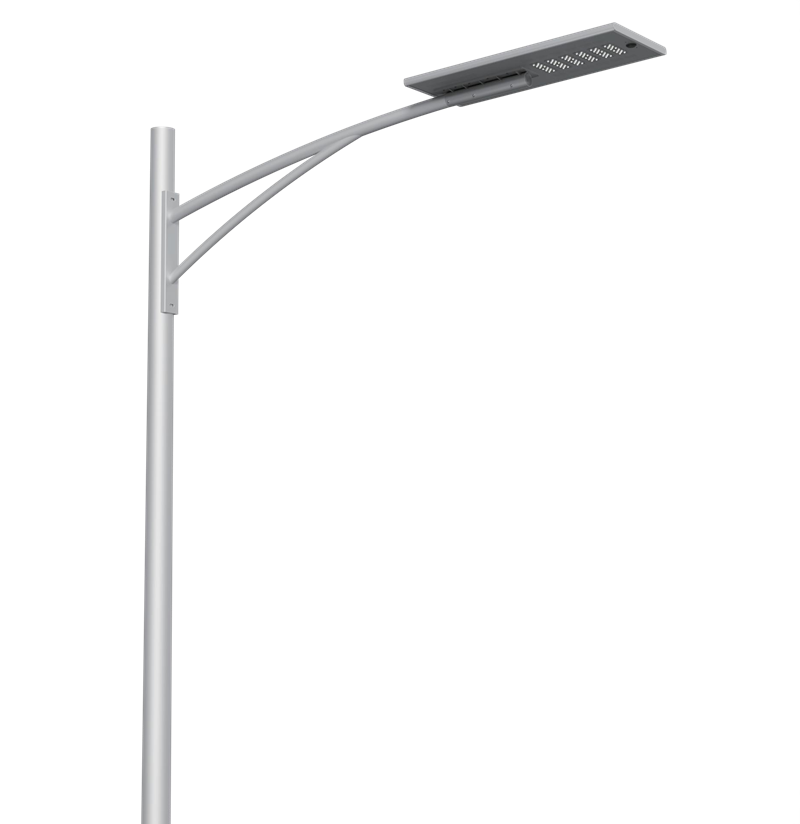
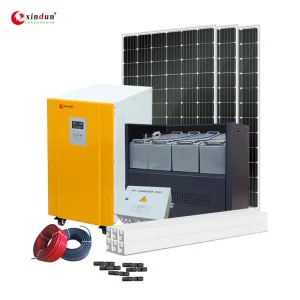
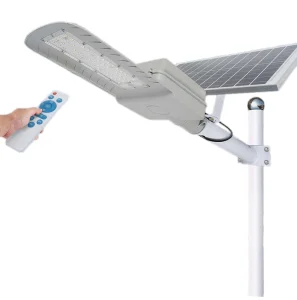
We manufacture self-contained solar-powered installations featuring integrated monocrystalline panels, MPPT charging logic controllers, and long-life LiFePO4 batteries. These systems provide clean, off-grid power to lower lifetime operational carbon footprints.
Equipped with calibrated integrating spheres, goniophotometer rigs, and spectral analysis tools, our laboratories document critical metrics including luminous flux output, color temperatures (CCT), and color fidelity (Ra) across all production lots.
Our engineering team is led by a dedicated Technical Director with over 10 years of experience in specialized port, maritime, and outdoor lighting systems. This experience drives our design methodologies, enabling us to engineer fixtures that resist structural fatigue and corrosion in harsh, humid coastal areas.
By collaborating directly with project planning teams, we configure custom fixtures optimized for specific mounting configurations, wind load ratings, and local grid tolerances. Our R&D team continues to design new platforms with dynamic IoT capabilities, smart dimming interfaces, and integrated sensor matrices.
When evaluating high-performance luminaires for municipal or industrial bids, procurement managers should specify key mechanical and optical performance baselines. The table below outlines standard configurations for major applications:
| Application Profile | Recommended Optical System | Optimal Color Temp (CCT) | Standard Ingress (IP) | Thermal/Operational Thresholds |
|---|---|---|---|---|
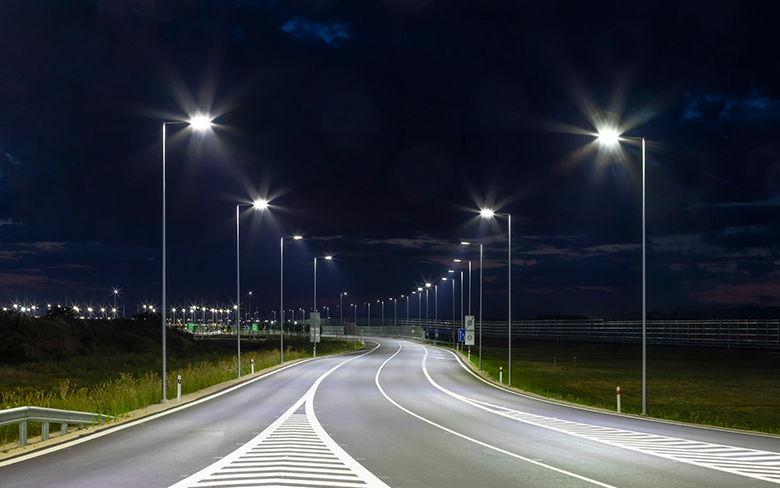
| Municipal Roadways & Expressways | Asymmetric Type II / Type III lenses | 4000K - 5000K | IP66 minimum | -40℃ to 55℃ ambient |
| Industrial Ports & Marine Terminals | Narrow-angle high-intensity arrays | 5000K (High visibility) | IP67 / IP68 protection | Corrosive coastal atmospheres |
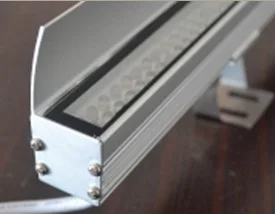
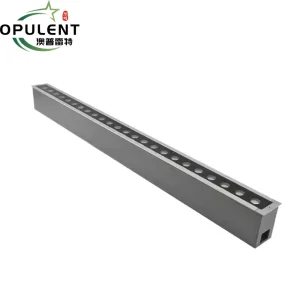
| Architectural Building Facades | Wash optics, customizable linear modules | 2700K - 4000K / RGBW options | IP66 minimum | Integrated control nodes |
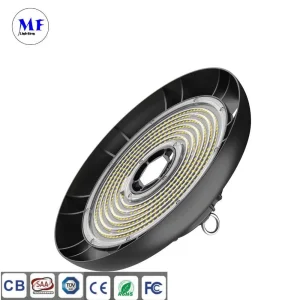
| Logistics Facilities & Warehousing | Symmetric high-bay lens structures | 4000K - 5000K | IP65 minimum | High thermal dissipation |
Procurement teams must evaluate the quality of the thermal management design, the reliability of the LED driver, and the ingress protection (IP) rating. High-power outdoor applications generate significant heat. Inadequate dissipation causes rapid lumen depreciation and color shifting. The driver must feature robust surge protection (minimum 10kV/20kV) to withstand fluctuations in grid power and lightning events.
Our "One-Light-One-File" database tracks the manufacturing records, component batches, test metrics, and quality inspections for every serialized fixture. If maintenance issues arise years after installation, the file allows us to trace the exact driver model, LED binning profile, and lens type used. This enables rapid troubleshooting and ensures matching replacement parts are provided, maintaining uniform appearance across the installation.
These simulations generate a digital model of the job site, including mounting heights, pole spacing, and surrounding structures, to verify how the fixtures will perform. By running photometric calculations, we confirm lux levels, uniformity ratios, and glare index values meet project requirements before production begins. This prevents optical dead zones, excessive glare, or costly field adjustments.
Outdoor fixtures undergo rapid temperature swings between day and night, summer and winter. Extreme thermal cycles test the expansion and contraction rates of different materials, such as aluminum housings, glass lenses, silicone gaskets, and solder joints. Thermal shock testing from -40℃ to 85℃ ensures seals remain intact, preventing condensation and component fatigue under harsh climatic conditions.
Salt-spray and high-humidity environments accelerate corrosion on standard metals. We apply multi-stage powder coatings, use marine-grade fasteners, and use high-purity aluminum housings. Our goniophotometer and salt-fog chambers test the long-term corrosion resistance of coatings, ensuring housings and components do not degrade or pit over extended periods in coastal settings.
 Rhynox Lighting